Senate rejects Democratic bid to block DOJ anti-weaponization fund
Senate Democrats fell 50-49 trying to kill a $1.8 billion DOJ fund as the chamber began a $70 billion immigration enforcement vote-a-rama.
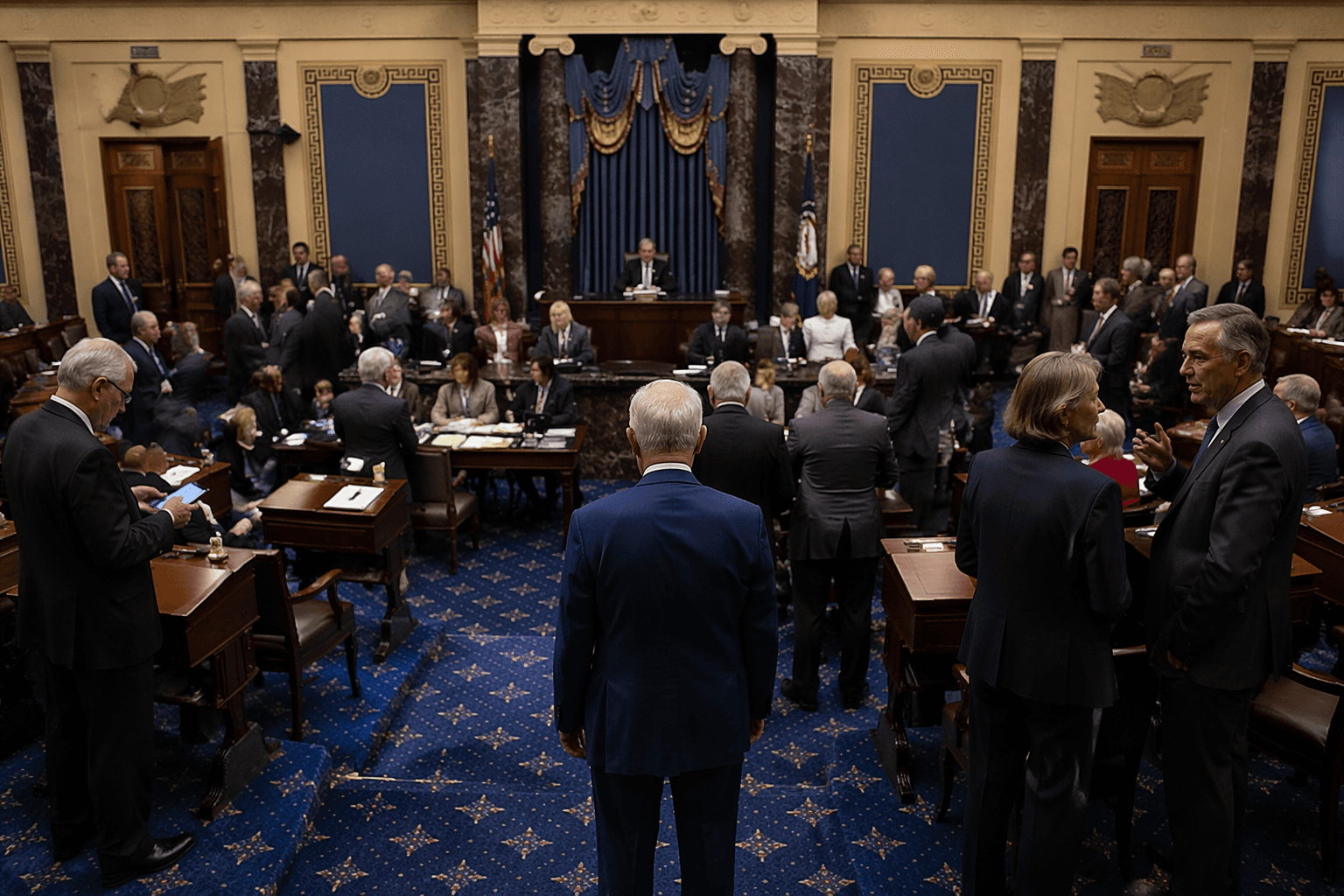
The Senate rejected Democrats' first bid to stop a $1.8 billion Justice Department anti-weaponization fund, voting 50-49 as lawmakers opened a marathon vote series over a roughly $70 billion bill to finance immigration enforcement. The package would direct money toward Immigration and Customs Enforcement and U.S. Customs and Border Protection, making the fight a test of how far Republicans are willing to go in backing Donald Trump's crackdown on immigration.
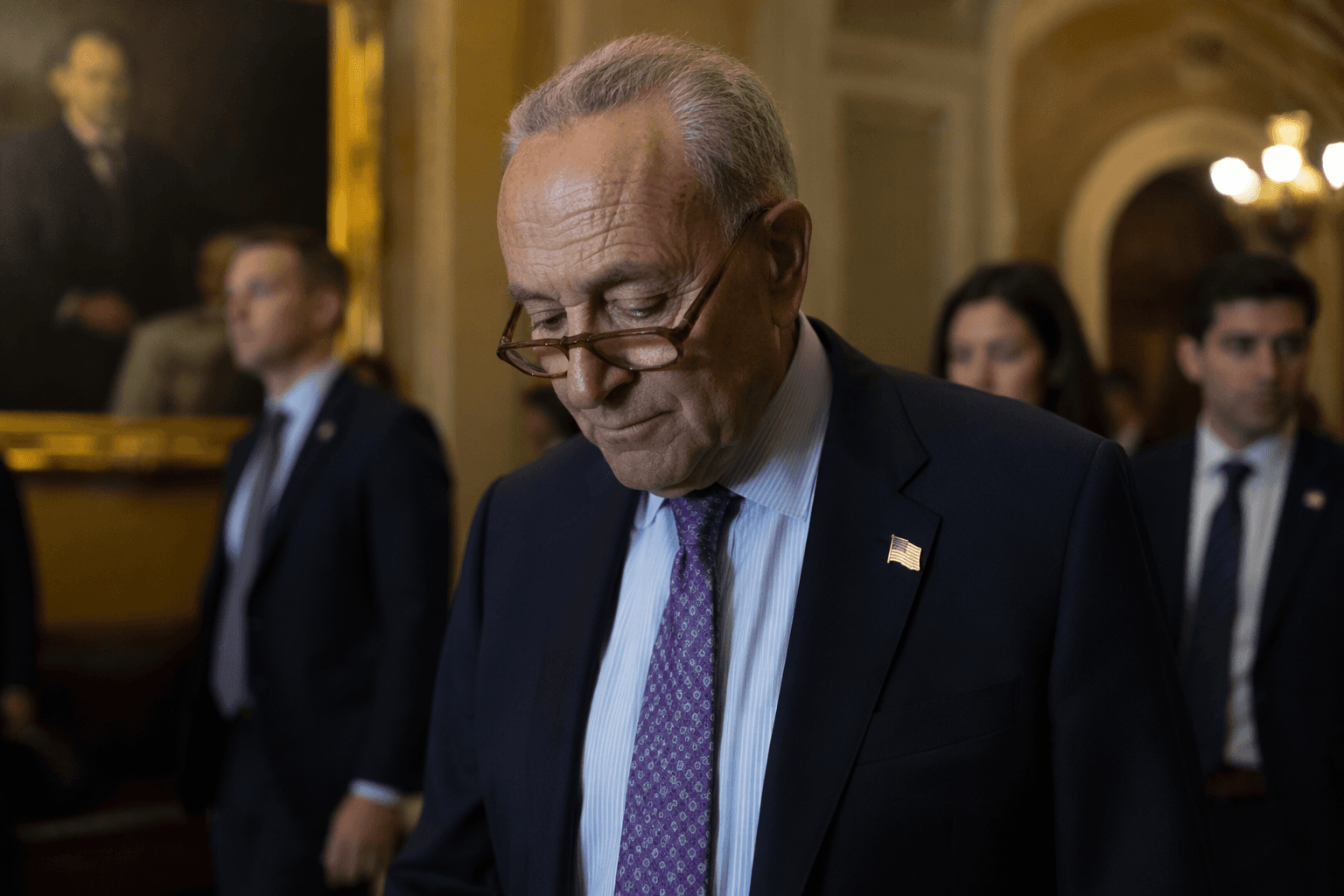
The roll call exposed cracks inside the Republican conference. Susan Collins of Maine, Jon Husted of Ohio, and Dan Sullivan of Alaska broke with their party and sided with Democrats on Chuck Schumer's motion to permanently bar the fund, a move Schumer said was meant to ensure no president could create a program like it again. A separate amendment from Thom Tillis of North Carolina, which would have redirected the money to anti-fraud enforcement, failed 15-84, underscoring how little appetite there was in the chamber for salvaging the underlying settlement money in another form.
The dispute has already spilled beyond the Senate floor. Acting Attorney General Todd Blanche said the Justice Department would not move forward with the fund, and he put it bluntly: "We're not moving forward with the fund, period." The department said it would follow U.S. District Judge Leonie Brinkema's temporary order blocking the program, which she issued in the Eastern District of Virginia on May 30 and set to be revisited at a June 12 hearing. Her order froze further action on transferring money, reviewing claims, or disbursing payments.
The fund sits inside a settlement tied to Trump's lawsuit over IRS tax-return confidentiality, and the pause did not address a separate provision that would have given Trump, his sons, and the Trump Organization broad immunity from certain government actions. For Republicans, the vote-a-rama became more than a procedural grind: it offered a public measure of whether congressional conservatives would stand behind Trump's immigration agenda while some of the most vulnerable GOP senators face reelection battles in Maine, Ohio, and Alaska in 2026. The next rounds of amendments will show whether the party can hold together long enough to convert that agenda into law.
This article was produced by Prism’s automated news system from verified source data, official records, and press releases, then run through automated quality and moderation checks before publishing. The system is built and supervised by the people who set the standards it runs under. Read our full AI policy.
Did this article answer your question?

