Senate Republicans block first bid to kill Trump’s $1.8 billion fund
Senate Republicans let Trump’s $1.776 billion fund survive for now, showing how tightly they are tying immigration votes to a fight over executive power and taxpayer money.
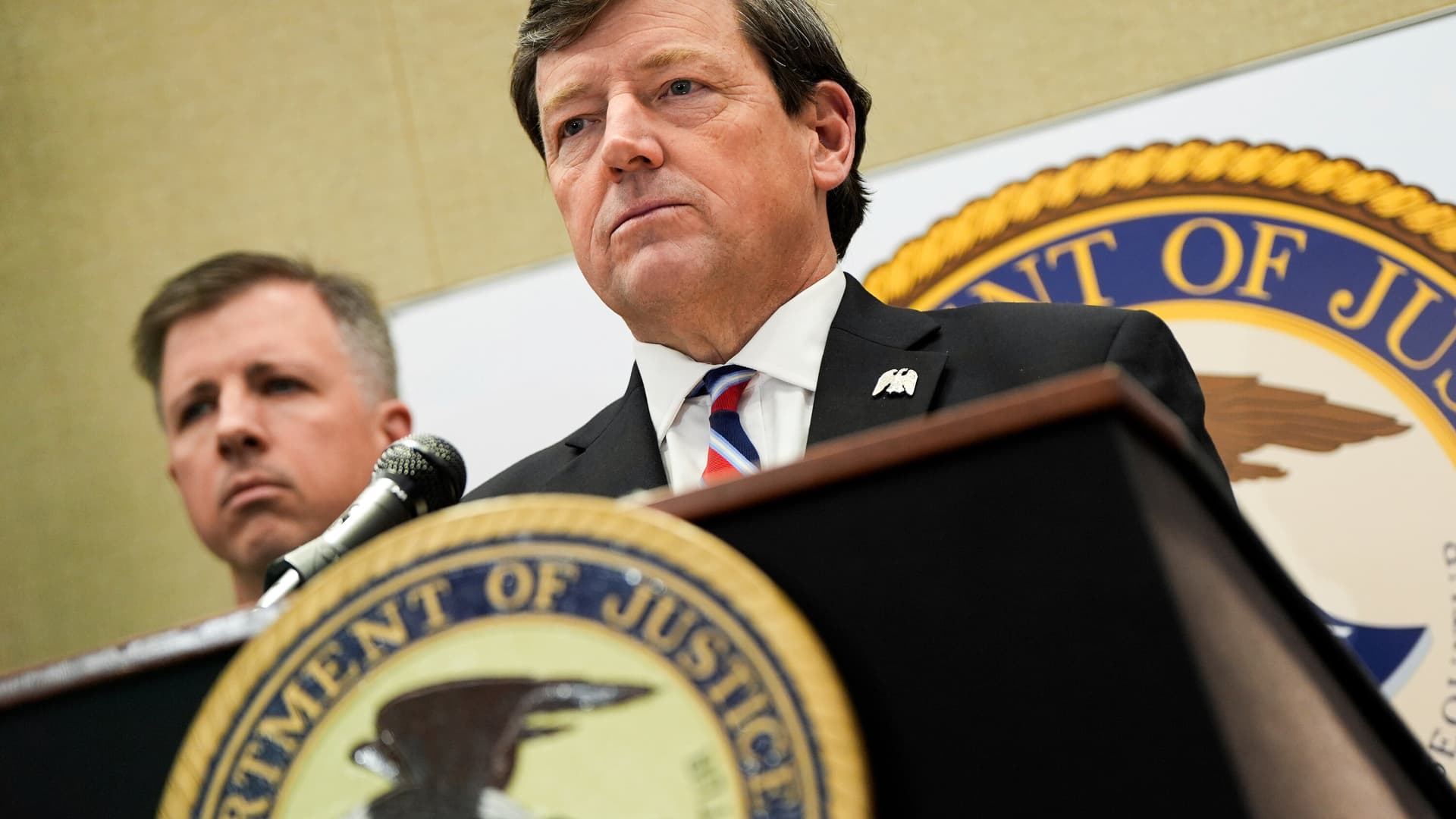
Senate Republicans stopped the first effort to permanently shut down Donald J. Trump’s $1.776 billion Anti-Weaponization Fund, a move that exposed how closely party discipline now tracks the president’s immigration agenda and his push to redirect federal money through the Justice Department.
The fund was announced by the U.S. Department of Justice on May 18 as part of a settlement in President Donald J. Trump v. Internal Revenue Service. DOJ said it would draw $1.776 billion from the judgment fund, accept voluntary claims without a partisan test, issue quarterly reports, stop processing claims no later than December 1, 2028, and return any leftover money to the federal government. It also pointed to the Obama-era Keepseagle fund as a model. In practical terms, the money was designed to compensate people who claimed they had been harmed by federal investigations and other forms of what Trump allies call “lawfare.”

That design quickly turned into a political liability. NBC News reported that objections to the fund were strong enough to push Senate Republican leaders to delay a vote on a separate bill to finance ICE and the Border Patrol until June. John Thune tried to keep the broader immigration package moving, while Democrats prepared a vote-a-rama to force Republicans into politically difficult choices. The message from Republican leaders was clear: they did not want a fight over Trump’s fund to blow up a bill central to his immigration agenda.
Inside the party, the reaction was even sharper. Senate Republicans met for two hours with Acting Attorney General Todd Blanche, and Ted Cruz described it as “one of the roughest meetings” he had seen in the Senate and a “full-on revolt.” Blanche later told the House Appropriations Subcommittee on Commerce, Justice, Science, and Related Agencies, “We’re not moving forward with the fund, period.” By then, U.S. District Judge Leonie Brinkema had already issued a temporary order blocking further action before any payments were made.
The next decision point now sits with the courts and the administration. Harry Dunn and Daniel Hodges sued to stop the fund, arguing it violates the Constitution’s ban on spending in aid of insurrection or rebellion, and ABC News reported that three federal lawsuits were filed by May 22. NBC News also reported that the plan could have given pardoned Jan. 6 rioters a path to seek taxpayer payouts, which sharpened the stakes for critics. If the money were ever spent, the effects would reach beyond Washington: taxpayers would foot the bill, and the beneficiaries could include Trump allies and other claimants tied to his grievances over the IRS leak, Mar-a-Lago, and the Russia investigation.
This article was produced by Prism’s automated news system from verified source data, official records, and press releases, then run through automated quality and moderation checks before publishing. The system is built and supervised by the people who set the standards it runs under. Read our full AI policy.
Did this article answer your question?

