Senators press NHTSA to scrutinize Tesla’s self-driving safety claims
Senators warned that Tesla’s safety math may mislead drivers, investors and regulators. They want NHTSA to test whether the company’s self-reported crash data matches reality.
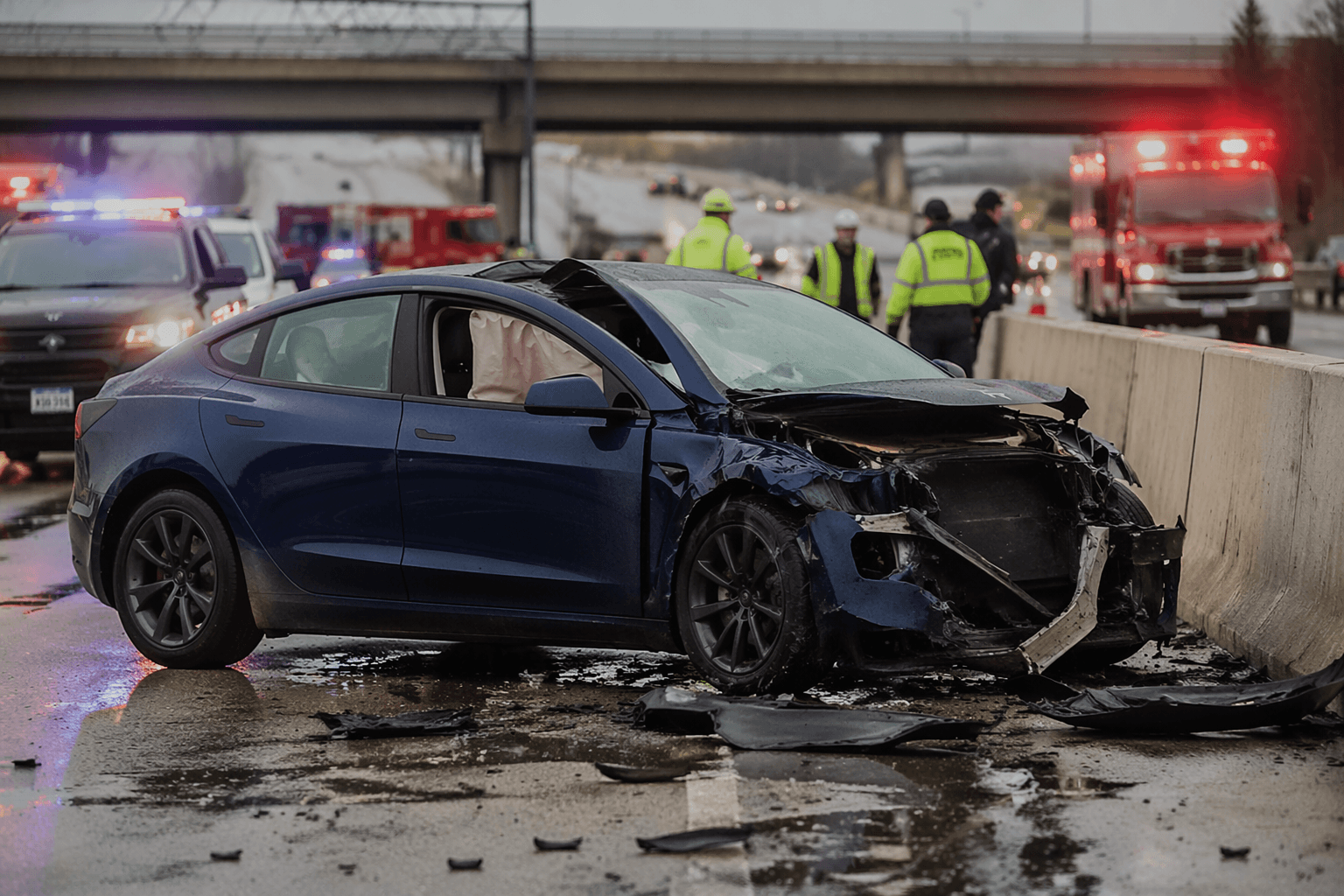
Tesla’s self-driving safety case is now colliding with a deeper question: can federal regulators trust crash numbers that automakers generate themselves? Two U.S. senators are urging the National Highway Traffic Safety Administration to dig into Tesla’s Full Self-Driving statistics after recent reporting challenged the company’s claims and raised doubts about how the numbers are being framed.
Edward Markey of Massachusetts and Richard Blumenthal of Connecticut sent NHTSA Administrator Jonathan Morrison a June 16 letter saying Tesla’s analysis is weak, misleading and an urgent safety concern. They asked the agency to respond by July 7 and say whether it has reviewed Tesla’s claims, sought the underlying data or examined how the company is presenting its crash figures.
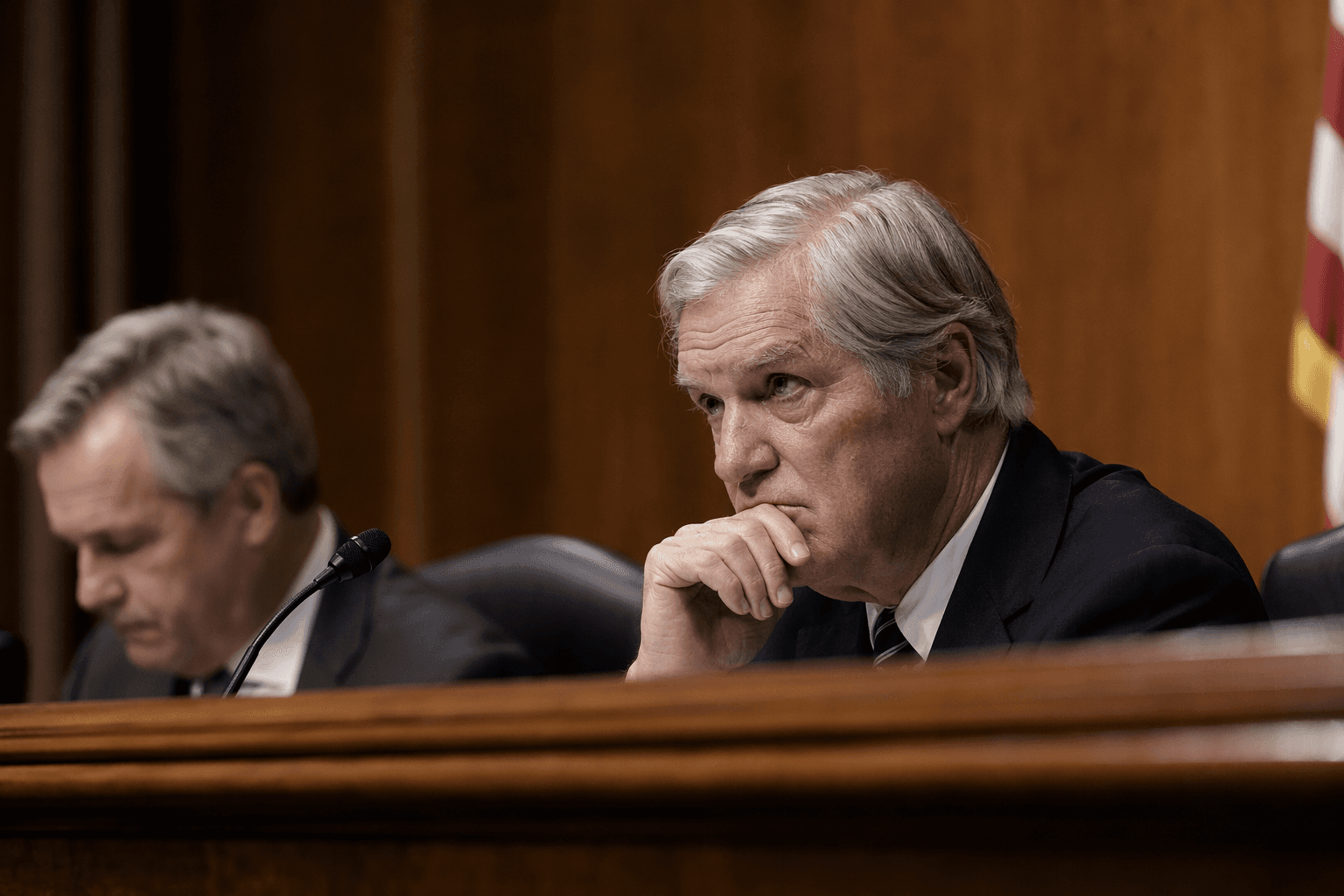
The senators said Tesla’s public safety messaging could shape how drivers use Full Self-Driving, how the public understands the risks and how regulators judge whether a defect exists. They also called for stronger reporting rules for companies that market self-driving or advanced-driver-assistance systems, arguing that regulators currently have no reliable way to tell whether public safety claims bear any relationship to reality.
At the center of the dispute is Tesla’s methodology. The letter says the company counted crashes involving airbag deployments and compared them with federal crash data covering tow-away crashes, a broader category that includes many less severe incidents. That mismatch, the senators argued, makes Tesla’s system look safer than it may actually be.
Tesla’s recent messaging has only sharpened the scrutiny. After the Austin robotaxi launch, the company’s chief financial officer reportedly called Full Self-Driving “10x safer,” the board chair repeated that claim at a shareholder meeting, and Elon Musk displayed a chart saying “85% less crashes” based on a revised Tesla method. The senators said Tesla and Musk have a long record of overstating both safety and readiness.
The pressure campaign comes as NHTSA already has Tesla under separate review. The agency opened Preliminary Evaluation PE25012 on Oct. 7, 2025, into traffic-safety violations while Full Self-Driving is engaged, covering 2,882,566 Tesla vehicles equipped with FSD (Supervised) or FSD (Beta). Its summary listed 58 incidents, including 14 crashes or fires, 10 injury incidents and 23 injuries.
NHTSA’s Standing General Order on Crash Reporting, first issued in 2021 and amended in 2021, 2023 and 2025, requires reporting when Level 2 ADAS was active within 30 seconds of a crash involving a vulnerable road user, a fatality, an airbag deployment or transport to a hospital. Markey and Blumenthal had already pressed the agency in September 2025 over FSD behavior near railroad crossings after NBC reported at least six near-collisions or crashes.
The broader fight is over measurement, disclosure and enforcement. If NHTSA takes up the senators’ demand, Tesla could face more pressure to open its data and the rest of the self-driving industry could face a stricter standard for proving what its systems can really do.
This article was produced by Prism’s automated news system from verified source data, official records, and press releases, then run through automated quality and moderation checks before publishing. The system is built and supervised by the people who set the standards it runs under. Read our full AI policy.
Did this article answer your question?

