Senators Seek to Block Easing of U.S. AI Chip Exports to China
A bipartisan pair of senators introduced the SAFE CHIPS Act to prevent the Trump administration from loosening export controls on advanced artificial intelligence chips to China and other adversaries for roughly two and a half years. The bill would require the Commerce Department to deny licenses for the most advanced U.S. AI chips destined for China, Russia, Iran or North Korea for 30 months and to notify Congress before any rule changes, raising fresh tensions amid trade and technology negotiations with Beijing.
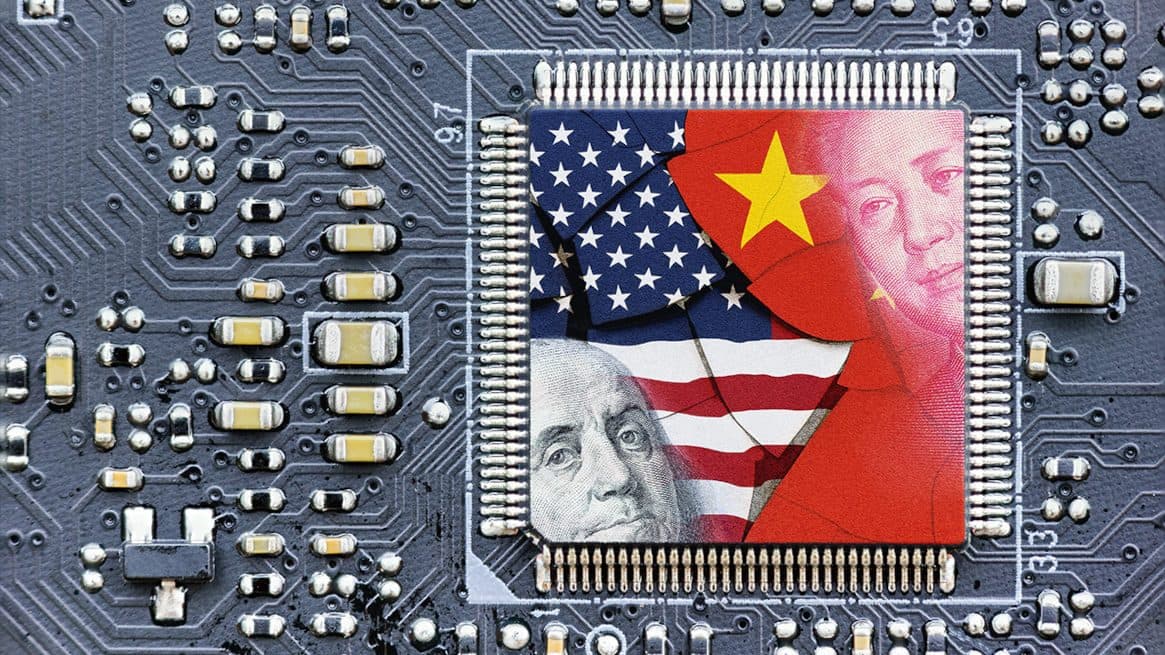
A bipartisan group of senators on Thursday filed legislation designed to freeze any effort to ease export controls on advanced artificial intelligence chips bound for China and other U.S. adversaries. The measure, dubbed the SAFE CHIPS Act, was introduced by Senator Pete Ricketts, a Nebraska Republican, and Senator Chris Coons, a Delaware Democrat. It would compel the Commerce Department to deny license requests for the most advanced U.S. AI chips destined for China, Russia, Iran or North Korea for 30 months and would require the department to notify Congress in advance of any proposed regulatory changes.
The move comes as negotiations between the United States and China over critical minerals and rare earth export rules have intensified, and as administration officials reportedly consider narrowing restrictions on some semiconductor exports. Sponsors of the bill framed the measure as a national security imperative to prevent sensitive computing power from accelerating the military and surveillance capabilities of geopolitical rivals.
The SAFE CHIPS Act would effectively legislate a temporary ban on the most capable AI accelerators leaving U.S. supply chains for a defined period, while leaving the Commerce Department with statutory instructions to evaluate licensing requests against a congressional notification requirement. That combination is intended to limit executive discretion and ensure lawmakers receive advance warning of changes that could widen access to high performance chips.
Supporters argue the bill addresses an urgent gap created by the rapid rise of AI model sizes and the centrality of specialized chips in training and inference work. Denying access to leading U.S. chips, they contend, will slow hostile military or surveillance applications and protect American technological advantages. Critics are likely to raise concerns about the effect on U.S. companies that rely on export markets and on global supply chains already strained by years of trade restrictions.

The legislation arrives at a fraught moment. Semiconductor companies have invested heavily in designing chips optimized for machine learning workloads, and those components have become strategic assets. At the same time, policymakers are weighing the economic costs of restricting exports against the dangers of enabling advanced AI capabilities in rival states. Lawmakers will also consider how the bill might interact with existing export control tools such as licensing procedures, entity lists and bilateral agreements aimed at managing technology flows.
For the measure to take effect it must pass both chambers of Congress and be signed into law. Its introduction guarantees a public debate over the balance between security and commerce in an era when hardware determines how rapidly software innovations can scale. Lawmakers in both parties face the challenge of crafting policy that protects national security without unduly hampering the commercial competitiveness of U.S. semiconductor firms.
The SAFE CHIPS Act will test whether Congress is prepared to impose a statutory check on the executive branch at a moment when technological competition with other major powers is accelerating and diplomatic negotiations over trade and critical materials remain underway.
This article was produced by Prism’s automated news system from verified source data, official records, and press releases, then run through automated quality and moderation checks before publishing. The system is built and supervised by the people who set the standards it runs under. Read our full AI policy.
Did this article answer your question?