SETI search finds no radio signal from interstellar object 3I/ATLAS
SETI’s Allen Telescope Array found no extraterrestrial radio signal from 3I/ATLAS, tracing every candidate hit to Earth-based interference or satellites.
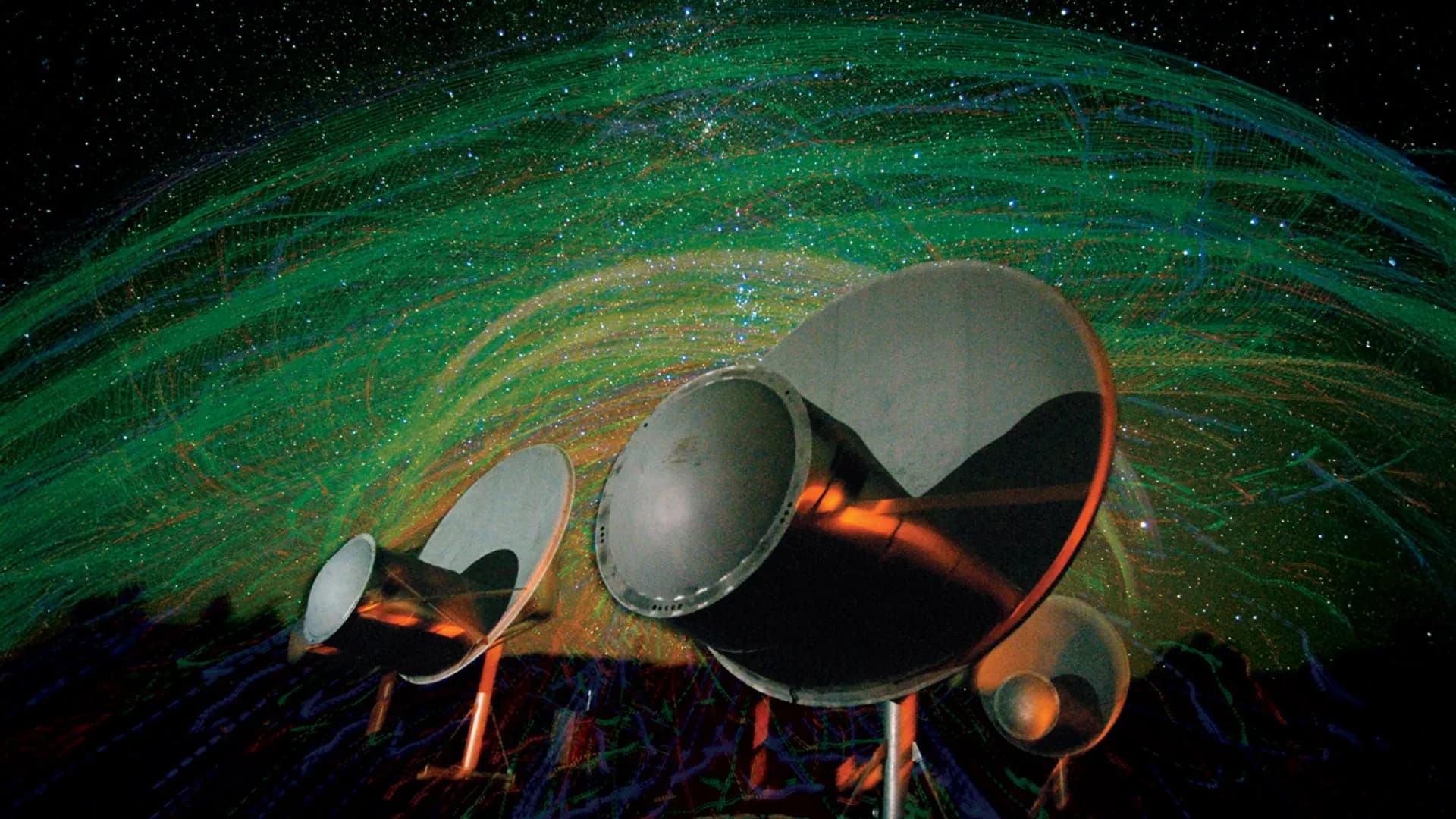
The Allen Telescope Array found no radio evidence of alien technology in 3I/ATLAS, after scanning the interstellar object across a wide range of frequencies and tracing every surviving candidate to Earth-based interference. The null result left the comet’s natural explanation intact and gave astronomers a fast, working test for how to evaluate the next rare visitor from another star system.
The search mattered because 3I/ATLAS is not an ordinary comet. NASA says it is the third confirmed interstellar object ever found in the Solar System, after 1I/Oumuamua and 2I/Borisov, and that the ATLAS survey telescope in Rio Hurtado, Chile, first reported it to the Minor Planet Center on July 1, 2025. Scientists identified it as interstellar from its high velocity and hyperbolic trajectory, a path that marks it as a brief passerby rather than a body bound to the Sun.
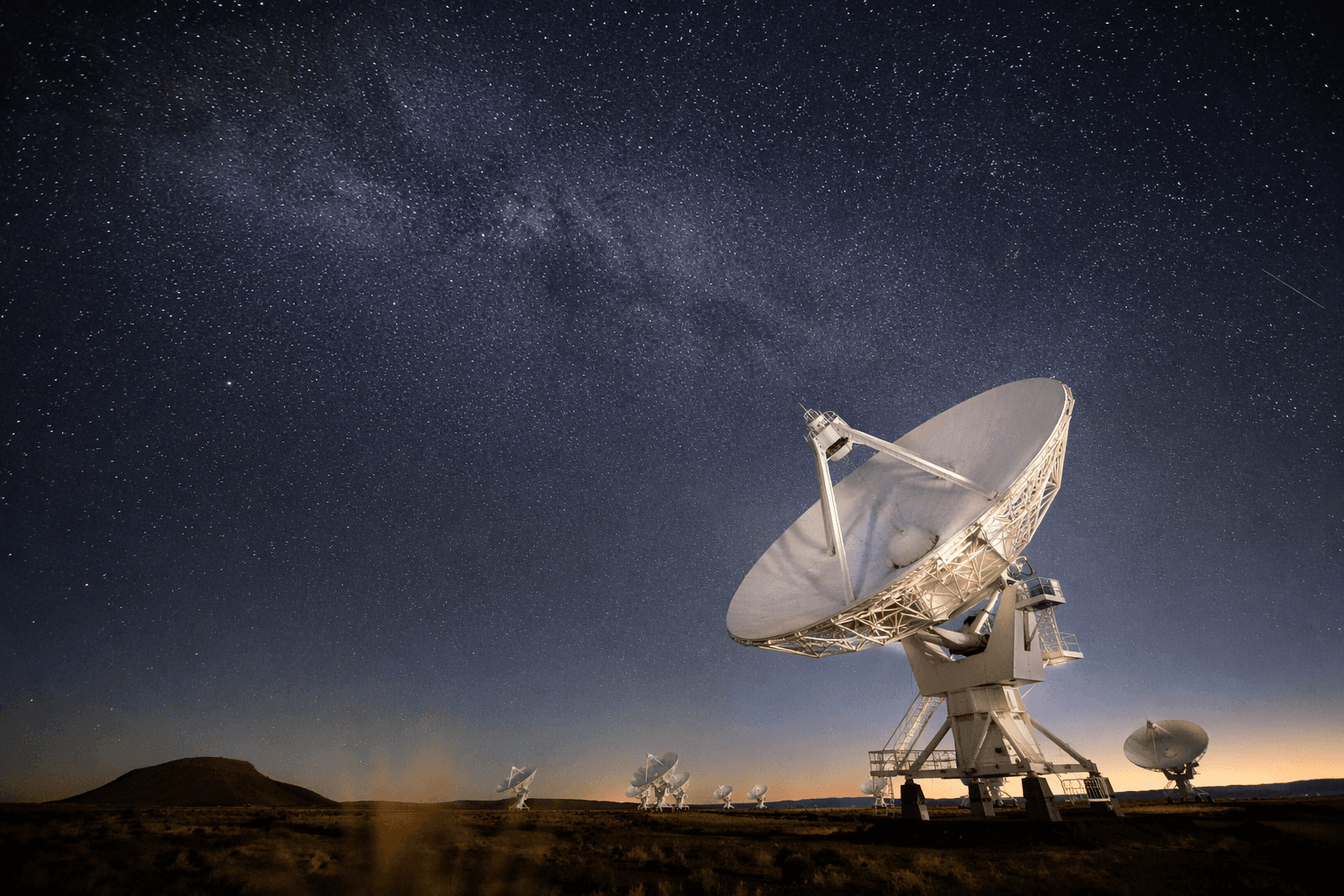
On June 3, the SETI Institute said the Allen Telescope Array at Hat Creek Radio Observatory in Northern California had searched 3I/ATLAS for technosignatures and found none. The campaign looked across a broad swath of radio frequencies, and the institute said the result matched other observations showing the object behaving like a natural comet. The team’s conclusion was not that the search came up empty, but that it cleanly separated cosmic interest from terrestrial noise.
Breakthrough Listen had already moved quickly after discovery, observing 3I/ATLAS in early July 2025 across 1 to 9 GHz with sensitivities of roughly 10 to 110 watts EIRP. Its preprint described a 7.25-hour observation set that registered nearly 74 million narrowband hits before filtering. The signals that survived initial screening were traced to Earth-based technology or Earth-orbiting satellites, underscoring how much of a technosignature search is spent eliminating false positives.
Astronomers have kept up the pace across other wavelengths as well. NASA says Hubble helped estimate the object’s size on July 21, 2025, while later Webb observations with NIRSpec provided detailed chemical information after perihelion and helped build a picture of where the comet may have come from. ESA says 3I/ATLAS is only the third comet from outside the Solar System ever studied, and the first observed with NIRSpec-level detail. The result is a case study in scientific discipline: a prompt search for extraordinary possibilities, a careful rejection of false signals, and a clearer playbook for the next interstellar arrival.
This article was produced by Prism’s automated news system from verified source data, official records, and press releases, then run through automated quality and moderation checks before publishing. The system is built and supervised by the people who set the standards it runs under. Read our full AI policy.
Know something we missed? Have a correction or additional information?
Submit a Tip