Seven Basin States Miss Post-2026 Deadline as Reclamation Releases Draft EIS
Seven Colorado River Basin states missed a Feb. 14, 2026 deadline to agree on post-2026 rules, shifting the focus to Reclamation as its Draft EIS opened a comment window through March 2, 2026.
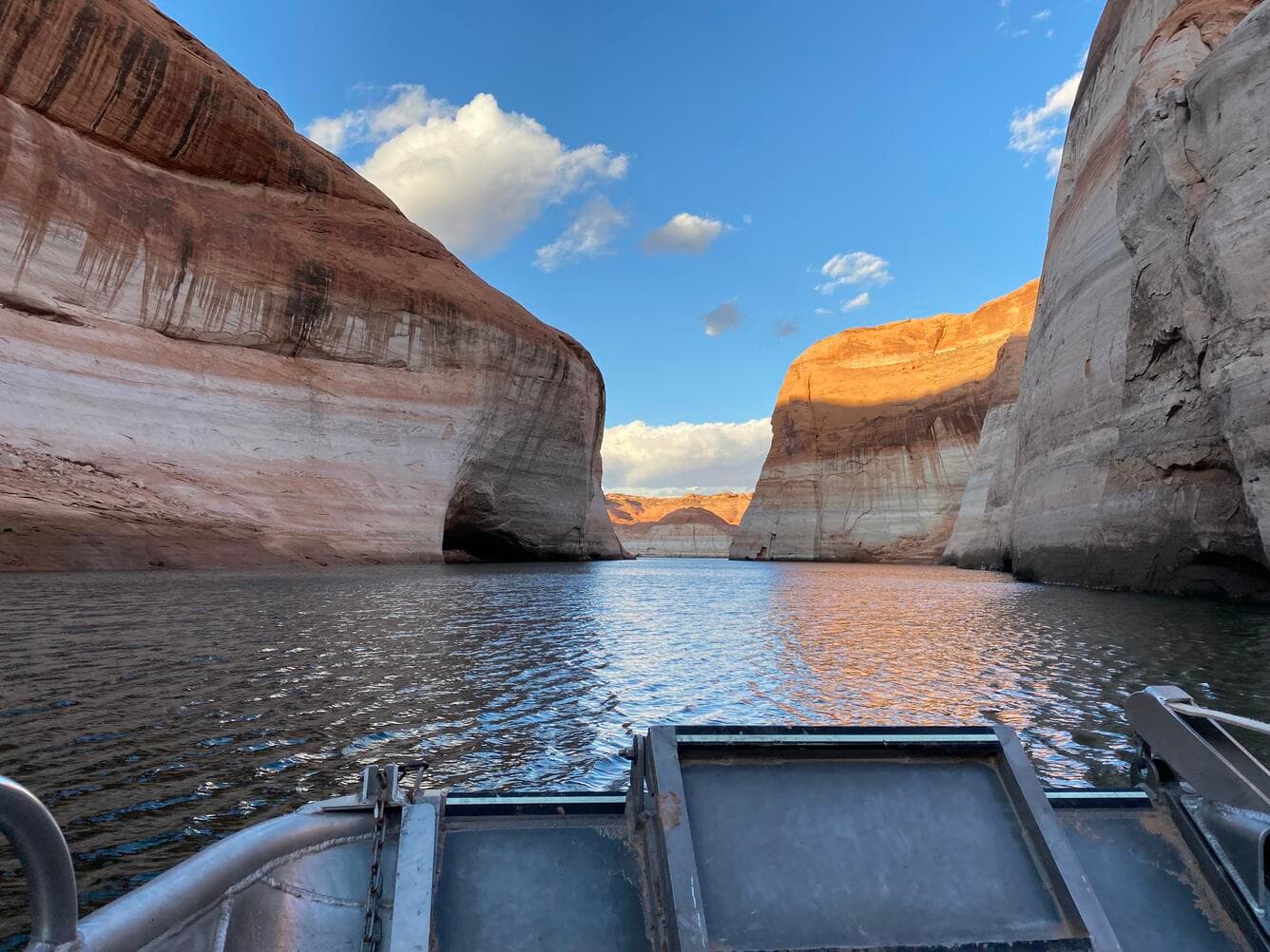
Seven Colorado River Basin states missed a Feb. 14, 2026 deadline to finalize post-2026 reservoir operating rules, leaving the U.S. Bureau of Reclamation to push the process forward as its Draft Environmental Impact Statement moves through public review. Reclamation posted the "Post-2026 Operational Guidelines and Strategies for Lake Powell and Lake Mead – Draft EIS" for public download on Jan. 9, 2026 and formally published it in the Federal Register on Jan. 16, 2026, triggering a 45-day comment period that ends March 2, 2026.
The Draft EIS analyzes a range of operational alternatives for managing Lake Powell and Lake Mead after the 2007 interim guidelines expire at the end of 2026 and was prepared under the National Environmental Policy Act to inform decisionmakers and the public. Reclamation scheduled two virtual public meetings to explain the document on Jan. 29, 2026 and Feb. 10, 2026, and the bureau’s web page for the Draft EIS carries the "Last Updated: 1/9/26" metadata and directs stakeholders to its Draft EIS page for comment instructions. As MNichols summarized on a regional listserv, "This EIS (and any EIS) is nothing more than an informational document. It does not require a certain outcome."
Hydrologic conditions framed prominently in Reclamation’s work and external reporting. Nature and regional outlets cited record low basin snowpack, precarious storage at Lakes Powell and Mead, hotter and drier conditions raising wildfire risk, water quality concerns, and water supply shortages and restrictions as the operating reality confronting managers. PostIndependent reported worsening drought conditions across the basin and forecast critically low reservoir levels for spring, underscoring the urgency behind post-2026 planning.
Conservation and sportsmen groups formally pushed back on the failure of the states to agree, issuing a joint statement signed by American Rivers, Environmental Defense Fund, The Nature Conservancy, Theodore Roosevelt Conservation Partnership, Trout Unlimited, and Western Resource Advocates. The statement warned, "With current guidelines set to expire this year, and the February 14 deadline now missed, continued gridlock carries real consequences for the river and those who depend on it. [...] Failure to reach consensus could lead to litigation that would likely take decades to resolve and delay progress toward the solutions needed at this crucial moment for the Basin and its communities."
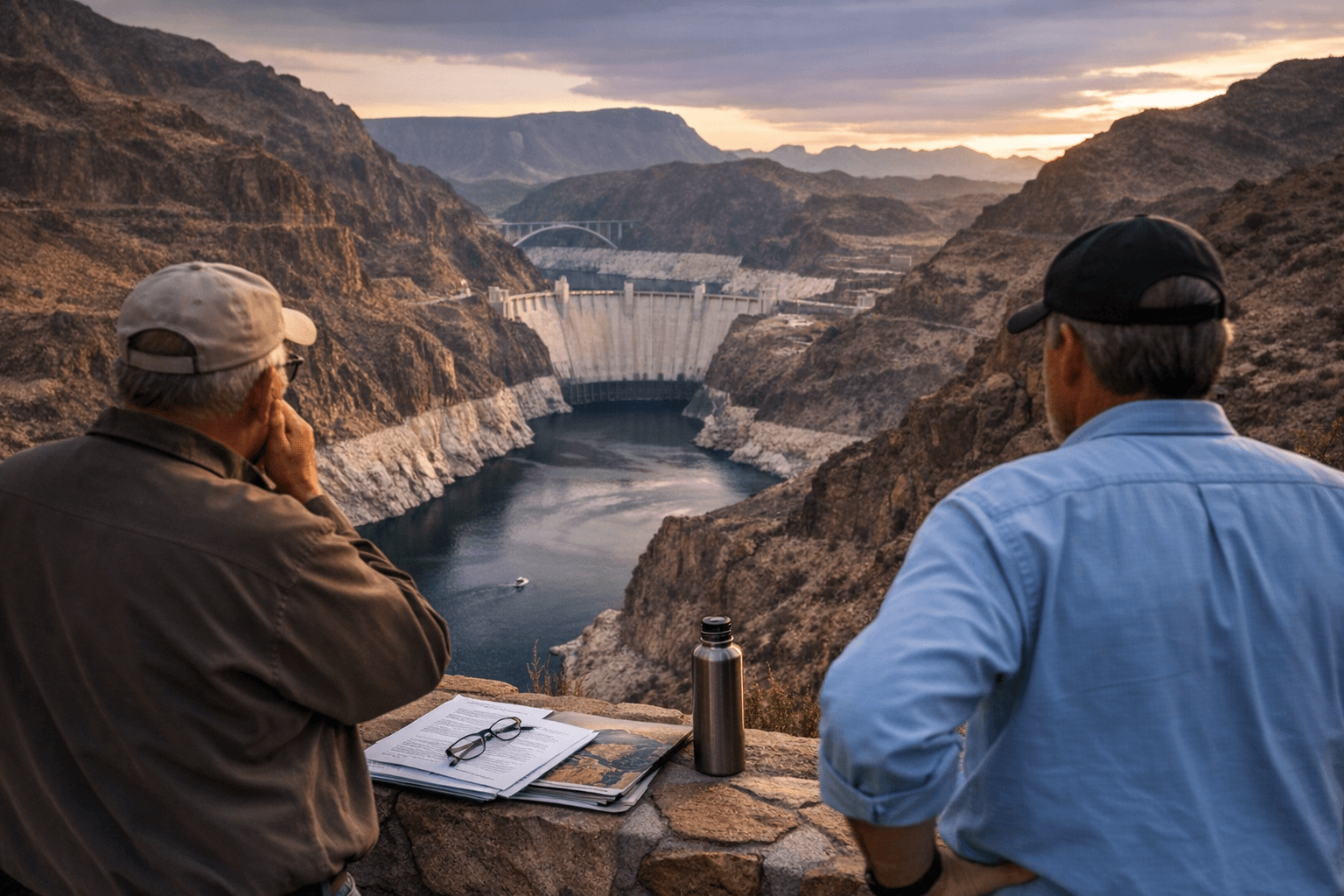
The states remain divided along traditional Upper Basin and Lower Basin lines, with PostIndependent identifying Colorado, Utah, Wyoming and New Mexico as Upper Basin states that rely predominantly on snowpack, and Arizona, California and Nevada as Lower Basin states that rely on releases from Lake Powell and Lake Mead. Colorado and the Upper Colorado River Commission said they will collaborate and submit comments to the Draft EIS, and Colorado Attorney General Phil Weiser declared, "Colorado is prepared for any litigation, and we will work tirelessly to protect our state’s rights and interests under the Law of the Colorado River."
The Draft EIS follows a documented alternatives process: Reclamation publicly released a set of alternatives on Nov. 20, 2024, and published an Alternatives Report on Jan. 17, 2025 describing the operational elements to be carried forward. Reclamation initiated scoping in 2023 with three virtual meetings on July 17, 18 and 24, 2023 and requested scoping comments by Aug. 15, 2023. Reclamation’s Draft EIS page remains the authoritative place to download the document, review meeting materials, and find current instructions for submitting comments during the public review window.
With the Feb. 14 state deadline missed and the Draft EIS comment period closing March 2, 2026, tractable, negotiated solutions are narrowing; as the conservation groups’ joint statement put it, "There remains a narrow opportunity for the Basin to shape its own future through negotiated, forward-looking solutions, including many of the meaningful tools identified in the Draft EIS. Seizing that opportunity requires coordinated agreement among the states, Tribal Nations and federal government.
Know something we missed? Have a correction or additional information?
Submit a Tip