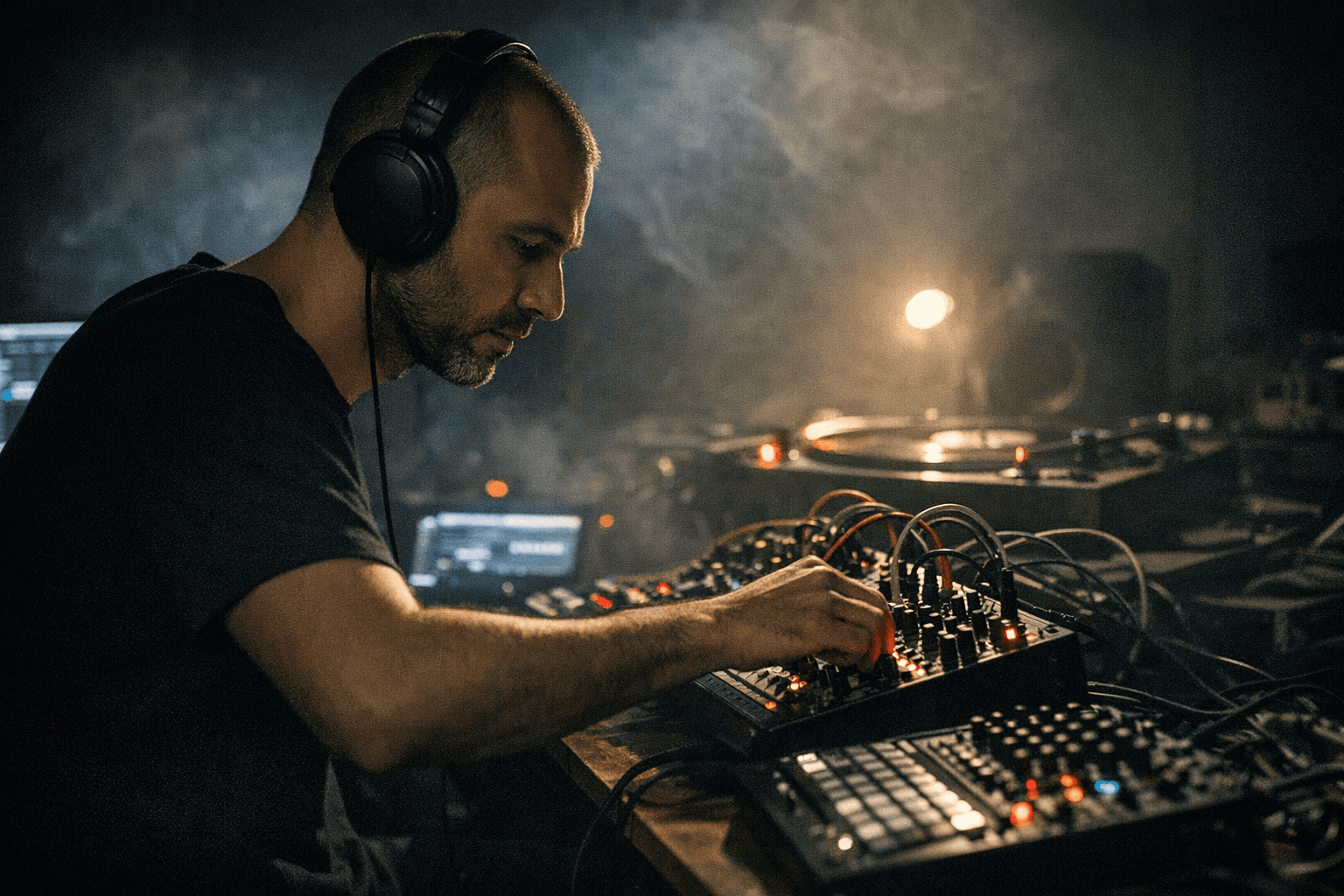
Seven production rules to tighten your minimal techno tracks
Practical, high-impact tips to make minimal techno that grooves on the dancefloor with fewer elements and smarter mixing.
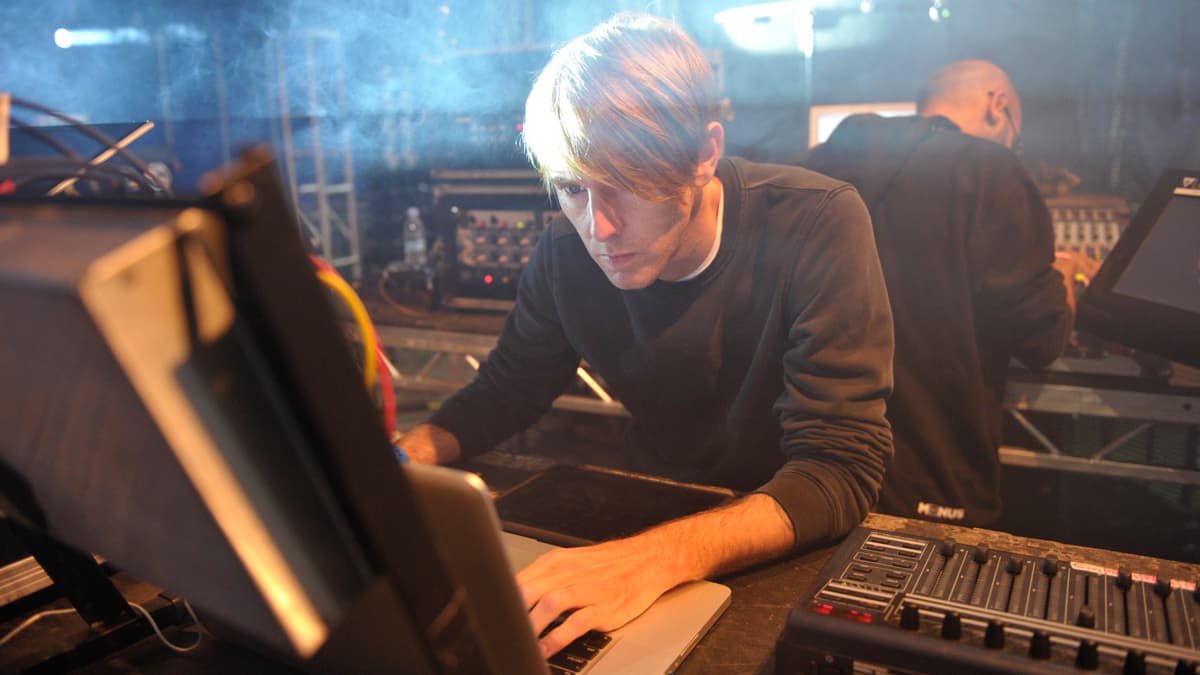
Minimal techno thrives on reduction, and the clearest way to improve your tracks is to adopt a cut-first mindset. Start with the fewest elements possible, a kick, hi-hats, one synth, and only add material if it serves the groove. That simple constraint forces you to make each sound carry more weight and keeps the arrangement tight for club play.
Make drums do more than pulse. Tune kicks and low percussion to sit in the track's low-end so a separate bassline becomes optional. When you let the kick occupy the sub frequencies, the mix breathes and DJs get a cleaner channel to work with. This approach also reduces gear and GAS pressure: a single well-tuned drum rack can replace a crowded low-end stack.
Motion comes from micro-dynamics, not objects. Tiny timing offsets, hi-hat rolls, and velocity variations create momentum without adding new elements. Nudge hits a few milliseconds off the grid, automate subtle roll patterns, and vary velocities across bars to carve pocket and swing. These micro-moves are the difference between a loop that saps energy and one that pulls bodies to the floor.
Space should be sculpted, not smeared. Use sparse reverb and short delays to create depth while preserving clarity. In minimal arrangements, a long tail or heavy wash will mask the few important parts. Keep time-based effects short and purposeful, letting delay send levels and reverb tails follow the groove rather than float above it.
Prioritise sound selection over processing. A single, well-recorded synth or drum sample usually beats multiple heavily processed layers. Choose sounds with the character you want from the start, then use light shaping to fine-tune. That saves CPU and keeps the mix intelligible on small systems and in loud club environments.
Automation is your movement engine. Automated filter sweeps, tiny volume nudges, and transient shaping provide tension and release across minutes of minimal material. Think of automation as choreography: small, deliberate gestures keep a simple set evolving for a DJ or live crowd.
Finally, mix for the club. Leave headroom, manage low frequencies carefully, and check your work on club-grade monitors or against reference tracks. A minimal production that translates to big sound systems will outshine a crowded, over-processed track in a DJ set.
What this means for producers is practical and immediate: strip down, tune your low-end, and let micro-dynamics and automation drive the track. Try rebuilding one of your recent projects from the kick up, test it on club monitors, and focus on making each sound indispensable.
Know something we missed? Have a correction or additional information?
Submit a Tip