Seychelles-EU Tuna Access Deal Expires as Talks Stall Over 30% Demand
The 2020-2026 SFPA protocol expired on 23 February 2026, immediately barring EU-flagged vessels from fishing under prior quotas as talks stall over Seychelles' 30% demand versus the EU's 3% offer.
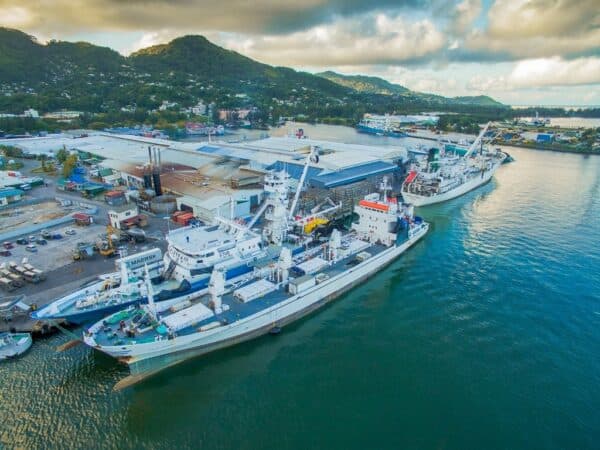
The 2020-2026 Sustainable Fisheries Partnership Agreement protocol lapsed on 23 February 2026, and Seychelles has enforced a prohibition on EU-flagged vessels fishing under the previously established quotas, a move that followed a breakdown in talks over compensation where Seychelles is seeking a 30% increase and the EU has offered 3%. The expiry removes the implementing protocol that licensed access to Seychelles’ 1.3 million km2 Exclusive Economic Zone, creating immediate operational uncertainty for EU purse seiners active in the Indian Ocean.
Diplomatic engagement accelerated in mid-February when President Patrick Herminie met members of the European Parliament Fisheries Committee; State House identified Principal Minister and Minister for Fisheries Wallace Cosgrow, Secretary of State for Fisheries Alain Decommarmond and Principal Secretary for Fisheries Roy Clarisse among Seychelles officials in those discussions. Emma Wiesner represented the delegation in the State House account. The government said four formal rounds of negotiations have been held since June 2025, with a fifth round scheduled for the first week of March 2026; President Herminie framed the talks in national terms, saying fisheries remain central to Seychelles’ economy and the government is committed to negotiating a better deal.
The Seychellois government describes the SFPA as an exclusivity arrangement, and State House noted that without a valid implementing protocol EU vessels cannot be licensed to fish in Seychelles waters, though vessels may continue to use port facilities. Sfa Sc background material notes the FPA has underpinned European access since 1987 and specifies key pelagic species present in Seychelles waters as listao (Katsuwonus pelamis), albacore (Thunnus albacares) and patudo (Thunnus obesus), underscoring what negotiators call the resource value at stake.
Market analysts warn the expiry could affect supply dynamics. “The yellowfin tuna market is caught between ample global supply, driven by strong Eastern Pacific catches, and expectations of tighter Indian Ocean availability following the expiry of the EU‑Seychelles fishing agreement,” Undercurrentnews reported, linking the protocol lapse to potential tightening in Indian Ocean supply even as Pacific output remains strong. No absolute payment figures were published in the available reporting; sources only cite percentage positions - the 30% demand and the EU’s 3% offer - leaving the absolute financial gap unresolved.
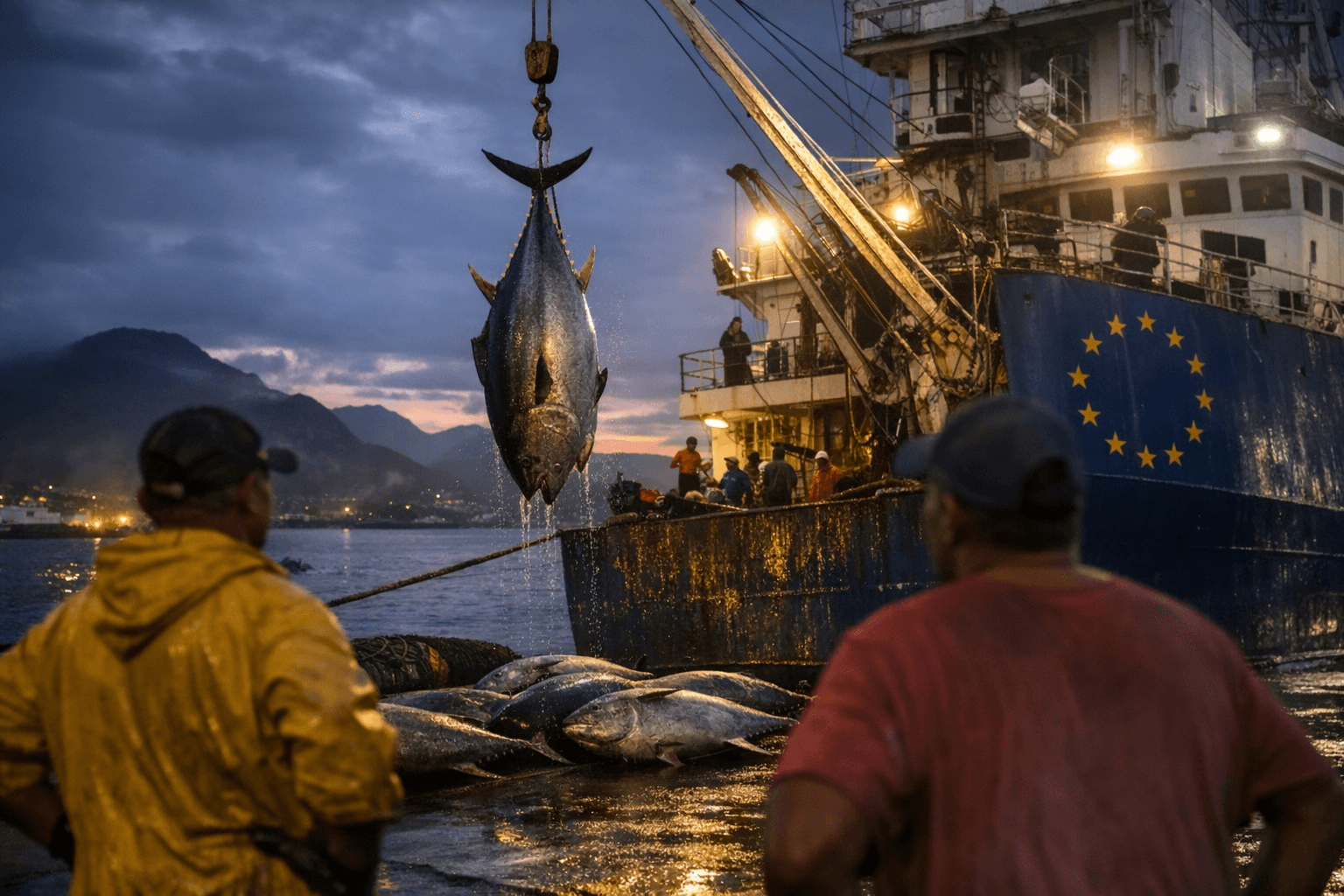
Public scrutiny and governance issues are complicating the negotiations. Observers and commentators point to concerns about overfishing, poor crew conditions and the impacts of fish aggregating devices. LinkedIn reporting flagged specific governance questions, noting “FADs, which concentrate juvenile tuna,” and asserting that “Beneficial Owners (BO) of Seychelles‑flagged purse seiners are some of the same European companies operating EU‑flagged vessels—raising serious questions about transparency, equity and genuine national benefit.” One analyst added: “I believe the current moment provides Seychelles with an opportunity to recalibrate how we value access to our tuna resources. The discussion should not be reduced to percentages alone, but it is difficult to ignore the widening gap between a 30% adjustment request and a 3% offer. That differential speaks to a broader issue: how the true economic, ecological, and sovereign value of the resource is quantified.”
With a 27-percentage-point gap between demand and offer, the fifth negotiation round in early March 2026 will determine whether a new protocol restores licensing for EU vessels or whether the Indian Ocean access picture changes for fleets, markets and Seychelles’ policy on beneficial ownership and fisheries management. The government has made clear it seeks a better deal that balances income for a Small Island State with broader cooperation on transparency and geopolitics.
Know something we missed? Have a correction or additional information?
Submit a Tip