S.F. supervisor Mahmood to seek ballot charter amendment to speed housing permits
Supervisor Bilal Mahmood will explore a November charter amendment after a Budget and Legislative Analyst report found San Francisco takes about 280 days to approve building permits.
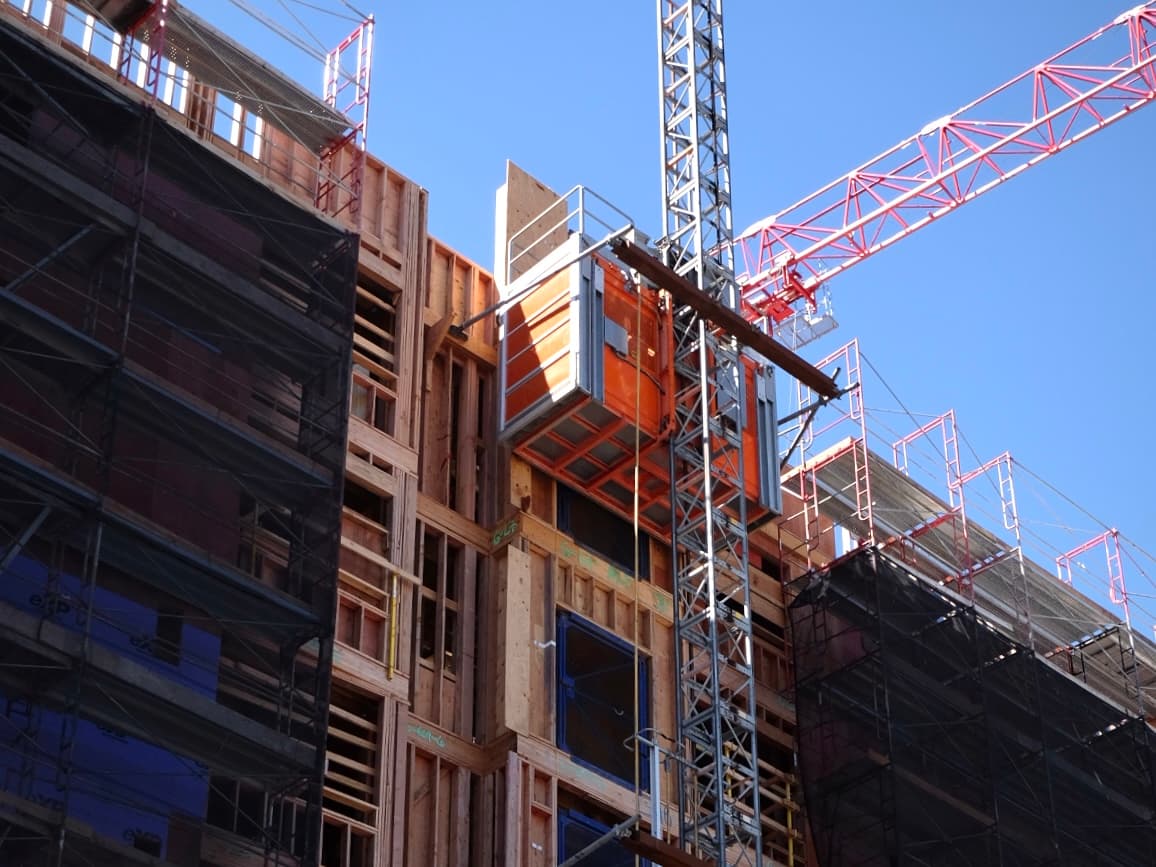
A city review commissioned by Supervisor Bilal Mahmood found San Francisco takes roughly 280 days to approve the building permits necessary to begin construction, prompting Mahmood to say he will explore a charter amendment to speed the process and work with Board President Rafael Mandelman to place measures on the November ballot. Mahmood and City Hall officials have flagged between 50,000 and 52,000 housing units that have been approved but not yet broken ground because they remain stalled in the permitting pipeline.
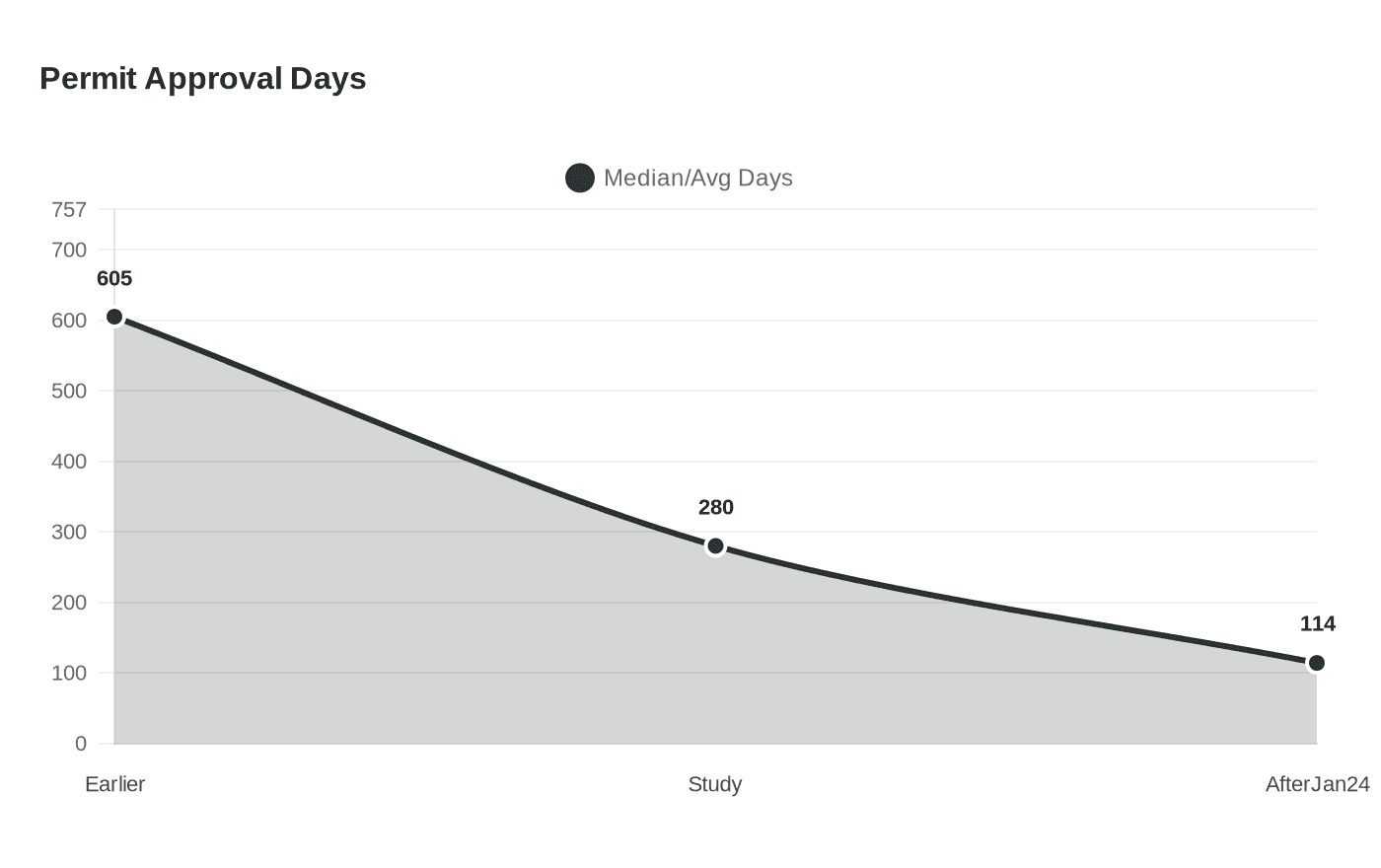
The Budget and Legislative Analyst’s report analyzed permit timelines for applications filed between January 2024 and August 2025 and documented a marked improvement from earlier years: an earlier average of about 605 days fell to roughly 280 days in the study window, while applications submitted after January 2024 showed a median turnaround of about 114 days. Mahmood commissioned the independent office to identify barriers holding up tens of thousands of entitled units.
The report found most multifamily projects went through at least three rounds of review involving multiple departments, a workflow the analysts identified as a core driver of delay. Officials credited the Permit SF initiative with measurable gains for recently filed applications. “It shows that Permit SF has actually made measured improvement over the last two years to hasten the time to building permit issuance,” Mahmood said in public remarks after the report was released.

Mahmood told colleagues he wants structural fixes tied to the City Charter rather than only operational tweaks. He described one option as moving department responsibilities out of the charter and into the administrative code to give the mayor and Board of Supervisors greater flexibility to reorganize departments. “It will help to fully realize that vision that the Mayor’s already announced,” Mahmood said of that administrative-code shift. He added, “Now we need to move to the complex problems like charter reform,” and is drawing on recommendations from a charter-reform working group as he and Mandelman craft ballot language for November.
Mahmood’s push for a charter amendment comes alongside other policy moves aimed at clearing stalled projects. Mayor Daniel Lurie and Mahmood proposed the BUILD Act to halve the transfer tax on multifamily residential sales of $10 million and up, paired with a companion ballot measure to remove a foreclosure/deed-in-lieu exemption so the change would be revenue neutral. City Hall estimated the transfer-tax change would save roughly $32,000 per home. The proposal follows a March 2024 charter change that gave the Board authority to reduce the tax after Dean Preston’s Prop I doubled rates in 2020.
The report frames San Francisco’s permitting pace against faster peers: Austin’s median is 91 days, Washington, D.C. 93 days, and Seattle 133 days, while Mission Local described San Francisco’s timeline as more than twice as long as San Diego’s. Those comparisons underpin Mahmood’s argument that, despite recent improvements, San Francisco remains among the slowest large cities on permit speed.
Charter reform faces a contested political history in San Francisco. SPUR and advocacy coalitions previously placed streamlining measures on the ballot; former Mayor London Breed delayed a 2020 proposal, Supervisor Ahsha Safai’s 2021 charter amendment was tabled, and a prior ballot fight produced competing measures known as Prop D and Prop E, driven by coalitions that included Habitat for Humanity Greater Bay Area, the Nor Cal Carpenters Union, Mission Housing, GrowSF, and YIMBY Action.
The stakes are explicit: San Francisco carries a state mandate to build 82,000 new units by 2031 while a controller’s projection found an optimistic outcome of 17,800 units over 20 years even after recent upzoning. Mahmood’s next steps, drafting ballot language with Mandelman, vetting working-group recommendations, and using the Budget and Legislative Analyst’s findings to target specific charter changes, will determine whether the city can convert recent Permit SF gains into faster approvals for the tens of thousands of projects stalled in the pipeline.
Know something we missed? Have a correction or additional information?
Submit a Tip