Shakhtar Donetsk chase historic Europa run amid exile from home ground
Exiled from Donetsk for 12 years, Shakhtar opened a semi-final in Krakow carrying Ukraine’s flag and a club-record 20 European matches.

Shakhtar Donetsk began their Uefa Conference League semi-final against Crystal Palace in Krakow with more than a place in the final at stake. The first leg, played on Thursday in Poland, pushed the club to 20 European matches this season, the most in their history, and left them one step from a final set for 27 May at Leipzig Stadium in Leipzig, Germany.
The journey to this point has been shaped by displacement for more than a decade. Shakhtar last played at Donbas Arena in Donetsk on 2 May 2014, and since then the club has moved through domestic home bases in Lviv, Kharkiv and Kyiv. After Russia’s full-scale invasion of Ukraine in February 2022, even Shakhtar’s European home matches moved outside the country, with fixtures staged in places including Poland, Slovenia and Germany. The tie with Crystal Palace carried the club about 960 miles from its spiritual home.
Serhii Palkin, Shakhtar’s chief executive, said the club had reached the last four without a home base or regular fan support, while dealing with the grind of travel and the mental weight that comes with it. He said, “we lost our home, but we didn’t lose our identity.” The message has defined Shakhtar’s run, which has doubled as a reminder that Ukrainian football continues to function under extraordinary pressure, even when its landmarks are scattered across Europe.
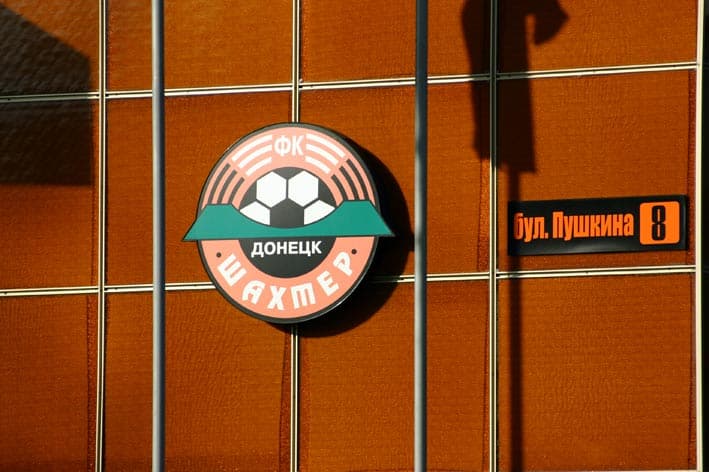
The scale of the disadvantage has been stark. ESPN reported that the trip to Krakow for Shakhtar’s “home” leg takes around 18 hours, compared with about 45 minutes for some opponents. The club’s European campaign began on 10 July 2025 and has become a test of logistics as much as quality, with this season’s 20-match total surpassing the previous high of 18 set in 2015-16.
Palkin has said Shakhtar’s model still rests on a core of Ukrainian players blended with Brazilians, a structure that has helped the club keep producing talent while staying competitive abroad. Shakhtar won the UEFA Cup in 2009, and the longer-term aim remains a return to the Champions League group stage. For now, though, the semi-final matters for what it represents as much as what it might deliver: a club that lost its stadium, but not its place in Europe, and not its role as a symbol of a country refusing to disappear from view.
This article was produced by Prism’s automated news system from verified source data, official records, and press releases, then run through automated quality and moderation checks before publishing. The system is built and supervised by the people who set the standards it runs under. Read our full AI policy.
Did this article answer your question?
.jpg&w=1920&q=75)