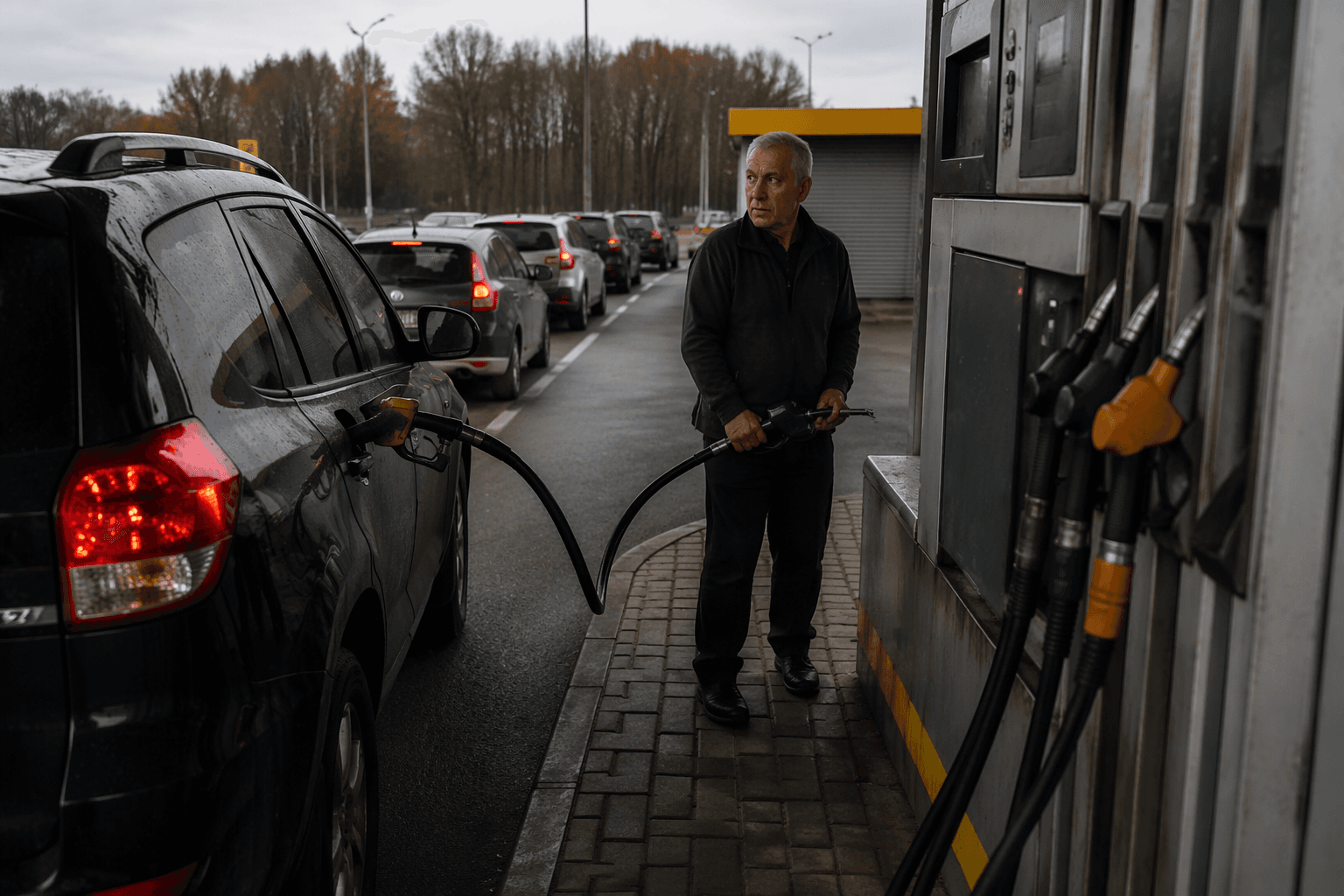
Shallow magnitude 5.1 quake rattles western Türkiye, tremors reach Istanbul and Izmir
A shallow magnitude 5.1 earthquake has struck western Türkiye early today, shaking Balıkesir province and sending tremors as far as Istanbul and Izmir.
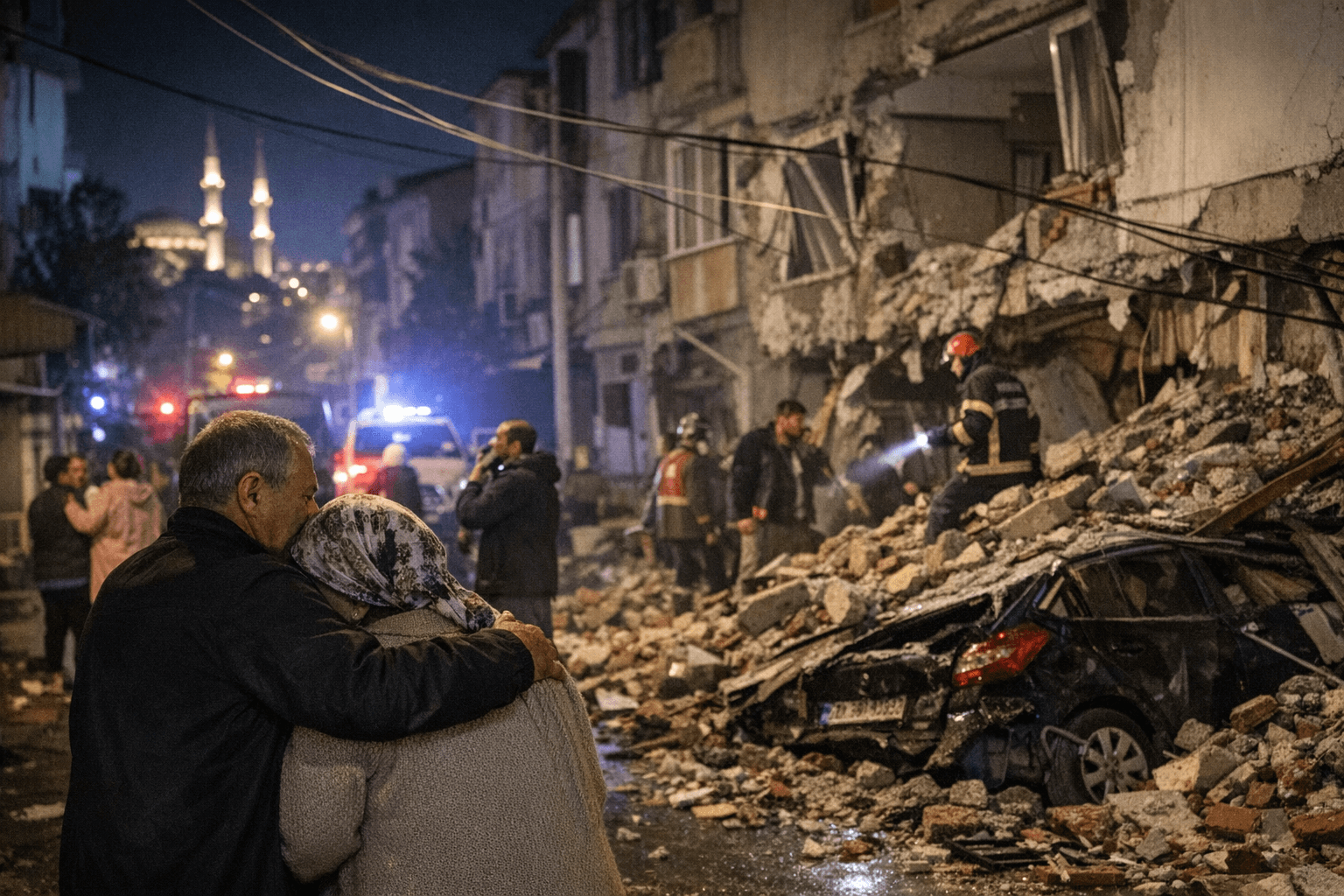
A shallow magnitude 5.1 earthquake has struck western Türkiye in the early hours of today, with the epicenter near the Sındırgı district of Balıkesir province, Turkish seismological authorities reported. The temblor was reported at a shallow depth, amplifying ground shaking across a broad area and producing felt reports from major urban centers including Istanbul and Izmir.
Seismic monitoring stations registered the event as relatively moderate in size but close enough to population centers to be widely noticed. Residents from the Marmara region to the Aegean coast reported shaking, rattling windows and momentary power flickers in some neighbourhoods, while emergency services and municipal authorities began rapid assessments of infrastructure and buildings. There are no confirmed widespread casualties or major structural collapses reported at this stage; local officials are continuing surveys and inspections.
Western Türkiye lies at a complex tectonic junction where the westward-moving Anatolian plate interacts with Aegean extensional systems and multiple active fault zones. Shallow quakes in this part of the country can produce stronger surface shaking than deeper events of similar magnitude, raising concern in densely populated areas with a legacy of rapid urban expansion and uneven building standards. Istanbul, with its dense population and critical infrastructure, remains particularly sensitive to seismic events originating in the Marmara region and adjacent provinces.
The Sındırgı area has experienced earthquakes historically, and the current event underscores persistent seismic risk across the Aegean and Marmara regions. Since the devastating 1999 Marmara earthquake, Türkiye has invested in seismic monitoring and introduced stricter building codes, though experts and civic groups continue to highlight the uneven pace of retrofitting older housing stock and enforcing standards in peri-urban zones. Today's quake is likely to renew public and political attention on preparedness, emergency response capacity and urban resilience.
Regional services that depend on stable transport and energy networks were on alert. Western Türkiye serves as a transit corridor for domestic and cross-Aegean shipping, and tremors can temporarily disrupt road, rail and port operations even when physical damage is limited. Authorities typically inspect bridges, pipelines and ports after seismic events to rule out damage that could affect commerce and safety; such checks are expected to proceed in the coming hours.
Internationally, instantaneous effects are usually limited for a medium earthquake of this size, but the event will be watched by neighbouring countries and by global markets as a reminder of seismic vulnerability in a strategically important corridor between Europe and the Middle East. Humanitarian agencies and regional partners often monitor developments to coordinate any assistance should needs escalate.
Seismologists are continuing to monitor aftershocks and to refine depth and magnitude estimates. For residents, officials recommend following guidance from local disaster agencies, avoiding damaged buildings until they are inspected and staying tuned to verified alerts from municipal and national authorities. Today's shaking serves as another prompt for sustained investment in preparedness across a region where earthquakes are a perennial hazard.
This article was produced by Prism’s automated news system from verified source data, official records, and press releases, then run through automated quality and moderation checks before publishing. The system is built and supervised by the people who set the standards it runs under. Read our full AI policy.
Did this article answer your question?