Shanghai Exchange Opens Fast Lane for Reusable Rocket Firms
The Shanghai Stock Exchange on December 26 created a fast lane on the STAR Market that lets reusable rocket developers list without meeting traditional profit and revenue tests, provided they meet technological milestones. The change could unlock public capital for firms racing to recover and reuse boosters, reshaping the domestic space industry and raising questions about economic priorities and oversight.
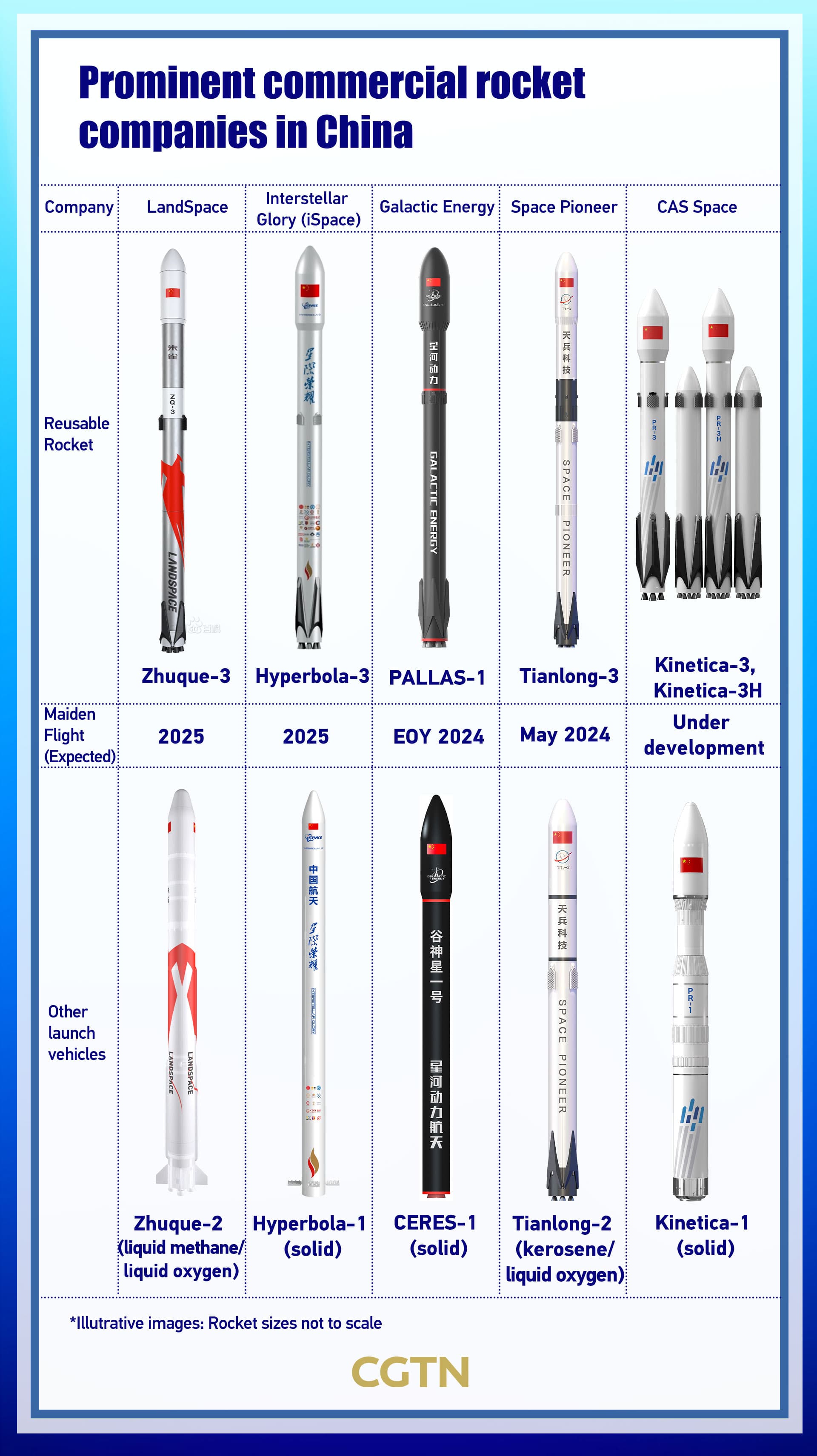
On December 26 the Shanghai Stock Exchange published guidance creating a fast lane on its technology focused STAR Market for Chinese companies developing reusable commercial rockets. The new pathway exempts eligible firms from some traditional financial listing thresholds, including profitability and minimum revenue requirements, and substitutes a set of technological milestones as the basis for accelerated access to public markets.
Under the guidance companies will be required to demonstrate at least one successful orbital launch using reusable rocket technology to qualify for the fast lane. The exchange also said it would give priority to firms that participate in national missions or major state led space projects, a provision that folds commercial ambitions into broader state strategic objectives.
Regulators framed the move as a continuation of earlier STAR Market reforms introduced in June 2025 that eased listing rules for pre profit innovative companies. The December guidance narrows that relaxed approach to a specific slice of the space sector, signaling an intent to channel capital quickly to developers working on recovery and reuse of rocket stages.
Private rocket firms are likely to be first in line to benefit. LandSpace completed an orbital launch of its Zhuque 3 reusable rocket on December 3 2025 from the Jiuquan Satellite Launch Center, achieving orbit though the first stage was not recovered. The company has stated it aims to complete booster recovery by mid 2026. Companies that can meet the guidance threshold could use earlier access to public capital to accelerate tests, iterate on hardware, and mobilize supply chains for routine reuse.
Beijing’s stated rationale emphasizes closing a perceived gap with the United States where routine first stage recovery and reuse have become a commercial norm. Officials also link the policy to a strategic push to expand satellite constellations and to reduce reliance on foreign operators in low Earth orbit. By prioritizing firms tied to national projects the exchange is underscoring the state interest in securing strategic capabilities while promoting commercial development.

The market implications are clear. Lowering financial barriers could accelerate innovation and increase competition among domestic firms seeking to demonstrate reusability. But the guidance leaves important questions unanswered. The exchange did not publish exhaustive legal text accompanying the announcement, and details are sparse on implementation timelines, the precise list of permitted exemptions, and the criteria for determining which activities qualify as national missions.
Beyond market mechanics the policy raises broader public interest and equity considerations. Concentrating early public capital on space hardware can create jobs and regional economic activity around launch sites and supply networks, and improved satellite capabilities can enhance climate monitoring, disaster response, and rural connectivity. At the same time channeling capital and state attention toward space projects with security implications risks crowding out investment in social services unless budgets and oversight are carefully managed. Environmental impacts from increased launch cadence and the growing problem of space debris will also demand regulatory attention.
For now the immediate effect is financial. The Shanghai Exchange has opened a fast lane that substitutes technological demonstration for traditional financial tests, and China’s reusable rocket developers face a clear path to public markets if they can prove they can reach orbit and recover their hardware.
This article was produced by Prism’s automated news system from verified source data, official records, and press releases, then run through automated quality and moderation checks before publishing. The system is built and supervised by the people who set the standards it runs under. Read our full AI policy.
Did this article answer your question?

