Shareholder law firms open probes after $7 take‑private bid for Mister Car Wash
Multiple law firms opened investigations on Feb. 27 after affiliates of Leonard Green offered $7.00 a share to take Mister Car Wash private, urging investors to contact counsel.

$7.00 a share is the price affiliates of Leonard Green & Partners offered to buy Mister Car Wash, a Feb. 18 all‑cash bid that implies about $3.1 billion of enterprise value and has prompted multiple shareholder law firms to open probes and urge investors to contact counsel.
The alerts, issued on Feb. 27, mark a rapid legal response by securities plaintiffs that often follows contested or low‑premium go‑private offers. Initial reports say several firms circulated investor notices and invited affected shareholders to reach out for potential claims; those notices were described as investor alerts rather than filed complaints. Company filings around the Feb. 18 announcement should include the precise transaction agreement and other material disclosures that will determine the scope of any litigation.
The emergence of law‑firm probes is notable against a broader backdrop of intensified scrutiny of private equity transactions. On Feb. 23, Ademi LLP issued a press release saying it was investigating a separate Leonard Green transaction involving Arcellx for "possible breaches of fiduciary duty and other violations of law," illustrating that shareholder counsel have recently targeted multiple deals tied to Leonard Green. The Ademi notice was distributed via PR Newswire and carried a Milwaukee dateline.
Law‑firm probes can focus on process and disclosure: whether the board ran a sufficient market check, relied on an independent committee or fairness opinion, or omitted material information about financial projections and conflicts. The public alerts typically invite shareholders to contact counsel to preserve rights and to consider class actions or appraisal remedies, steps that can pressure deal timelines and prices even before complaints are filed.
Investors and market participants will also weigh Leonard Green’s track record in prior portfolio companies. ProPublica reporting in September chronicled extensive controversy around Prospect Medical Holdings after Leonard Green’s 2010 acquisition, citing government findings of patient‑care violations that at times posed "immediate jeopardy" to patients, allegations of Medicare fraud, and managerial and financial problems. ProPublica reported that Leonard Green had previously extracted $645 million in dividends from Prospect and sought to leave behind roughly $1.3 billion in obligations, and that Prospect agreed in the final days of December to pay $27.25 million to resolve a group of lawsuits. That episode provoked heavy regulatory scrutiny in Rhode Island, including multiple hearings that generated thousands of pages of submissions and an extended Jan. 29 approval deadline.
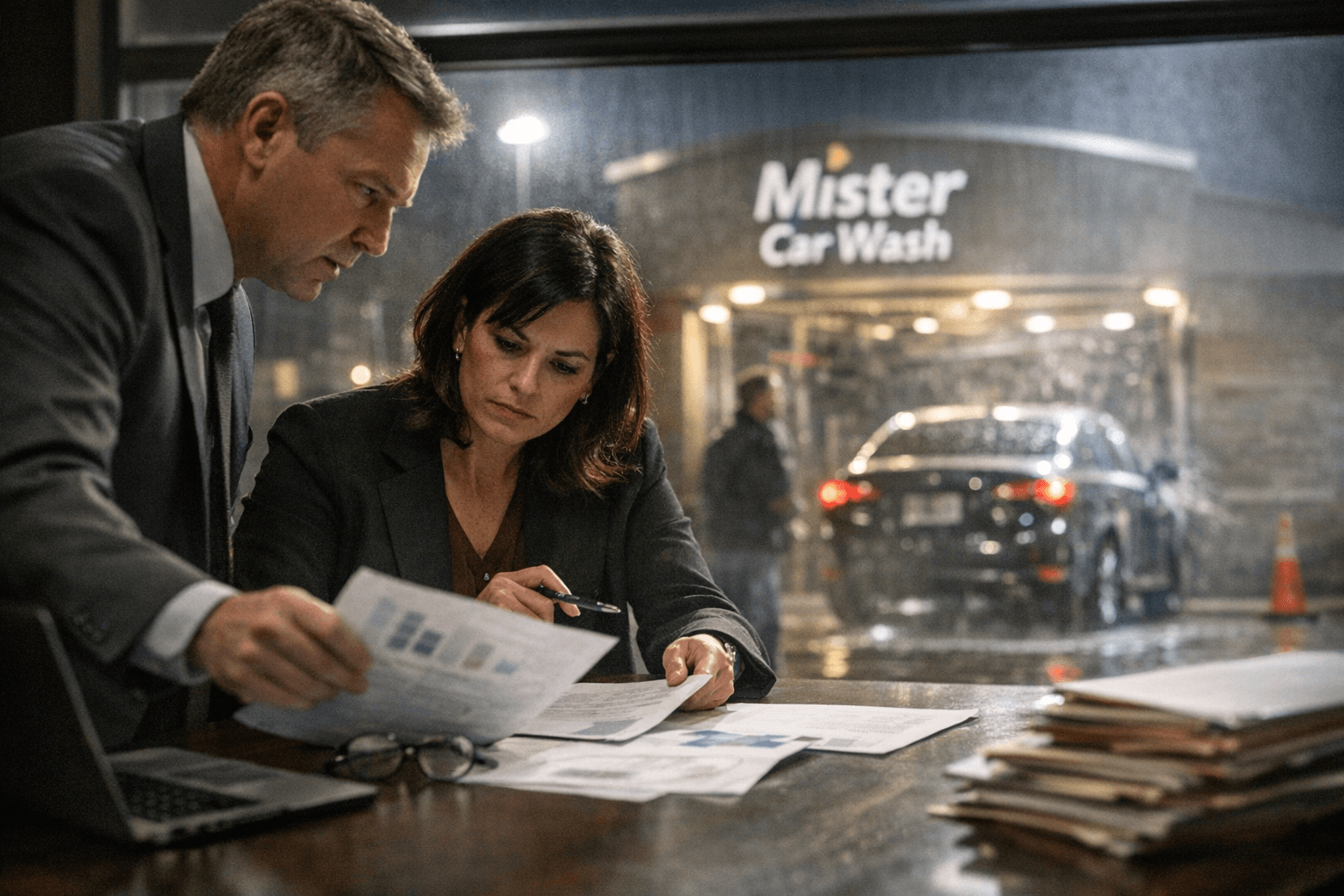
Those past controversies do not allege misconduct in the Mister Car Wash deal, but they do create a context in which shareholder lawyers and state regulators pay closer attention to private equity exits. For public investors, the immediate questions are whether Mister Car Wash’s board can justify the $7.00 offer as fair, whether the company’s disclosures fully describe valuation inputs and strategic alternatives, and whether any procedural or disclosure defects will form the basis of litigation.
Next steps for market actors are straightforward and consequential. Shareholders inclined to press claims will likely formalize them within weeks if law firms conclude the disclosures or process were deficient. Deal counterparties may face delay or settlement pressure, and the company’s public float will end if the transaction closes. Regulators could also monitor the process more closely given the pattern of scrutiny surrounding some Leonard Green portfolio companies.
Journalists and investors should review Mister Car Wash’s Feb. 18 filings for the merger agreement, any fairness opinion and board disclosures, and seek copies of the Feb. 27 investor alerts to determine the legal theories and counsel involved.
This article was produced by Prism’s automated news system from verified source data, official records, and press releases, then run through automated quality and moderation checks before publishing. The system is built and supervised by the people who set the standards it runs under. Read our full AI policy.
Did this article answer your question?

