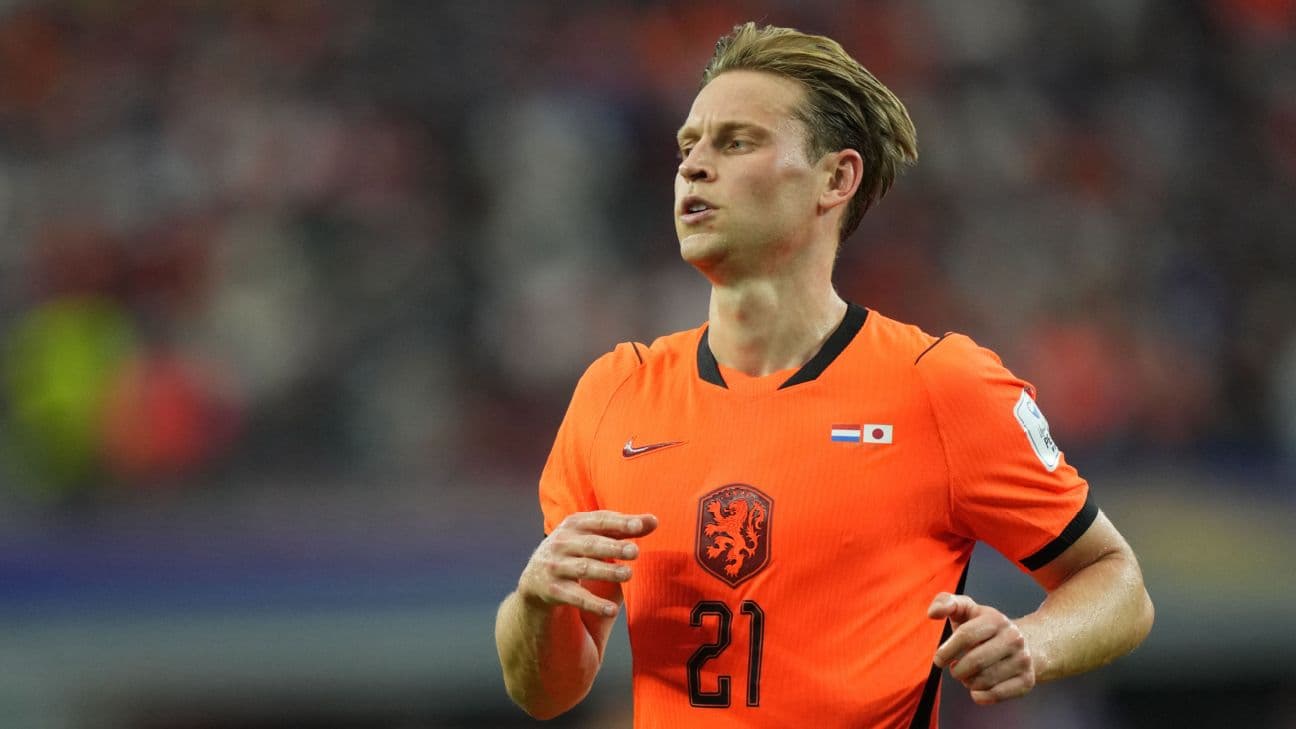
Shearer explains how Qatar setback changed Harry Kane's mindset
Kane’s Qatar miss became the turning point: he turned pain into hunger, and England kept seeing him as the captain they still build around.
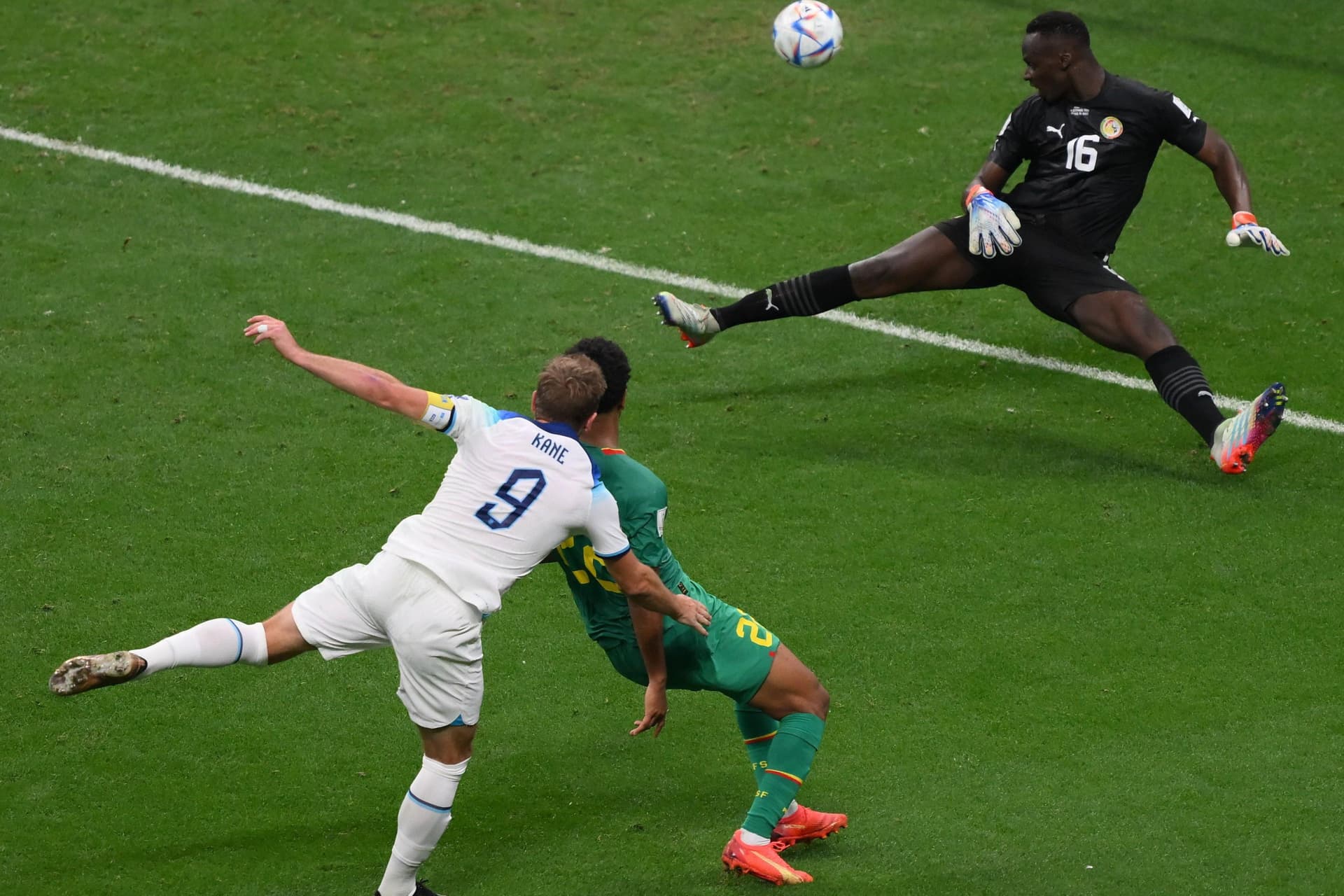
Harry Kane's Qatar miss did more than end England's 2022 World Cup run. It reset the way he was judged, and it changed the way he approached the next chapter. Alan Shearer’s reading of Kane is rooted in that shift: from a striker carrying the weight of a single moment to a captain who turned failure into fuel.
The night in Al Khor that changed the storyline
England's quarter-final against France on 10 December 2022 became the defining scene of Kane's World Cup legacy. He had already scored one penalty to equal Wayne Rooney's England record with his 53rd international goal, but later in the match he sent an 84th-minute spot-kick over the crossbar at Al Bayt Stadium in Al Khor, and England lost 2-1. FIFA said that miss sealed England's exit, closing out a campaign at a tournament that ran from 20 November to 18 December 2022 and featured 32 teams across 64 matches.
That sequence matters because it shows how quickly the emotional temperature of a tournament can change. One penalty pushed Kane into the same scoring bracket as Rooney; the next turned a historic night into a painful one. The difference between those two touches became the difference between England advancing and England going home.
Why the setback landed so hard
Kane entered Qatar as England's captain, the nation’s record scorer, and a player whose goals at major tournaments had already made him one of the team’s most influential modern internationals. That status is what made the miss so public and so punishing. When a player already defined by responsibility misses in a knockout game, the event stops being only about the result and becomes about identity.
Shearer’s significance in this conversation is that he understands the burden from inside England's striker tradition. He is not just a former captain, but also a long-time benchmark for the role Kane occupies, and that gives his view extra weight when assessing how a player responds under tournament pressure. Gareth Southgate reinforced that point when he defended Kane from criticism and called him England's "most important player".
How the miss changed Kane's mindset
By January 2023, Kane was describing the penalty miss as something that had made him "even hungrier" to win trophies. That is the crucial mental shift in the story. The miss did not erase his confidence, and it did not push him out of the conversation around England's future; it sharpened his motivation and gave the setback a practical purpose.
This is where the reinvention story begins. Instead of being remembered only for the overhit penalty, Kane converted the moment into a standard he could work against. In football terms, that means he stopped being just the player trying to recover from one error and became the player whose response to that error defined the next phase of his career.
What looks different about Kane now
The most important change is not that Kane is a different kind of footballer. It is that the frame around him has changed: he is still the reference point, but the narrative now treats him as a talismanic captain whose resilience is part of his value. FIFA later described him in exactly those terms, and by 2026 was still casting him as the man expected to lead England back to the World Cup after the heartbreak of Qatar.
That changes the pressure, and it changes the support structure around him. In Qatar, every decisive moment seemed to hang on whether Kane could finish it himself, and the late miss made the burden feel personal. By the time England looked ahead to the 2026 tournament, the emphasis had shifted toward a captain whose record, reputation, and public backing meant the team was not asking him to be merely a scorer, but the organizing force at the center of England's attack and mentality.
The tactical side of that evolution is subtle but important. Kane's positioning as England's focal point never disappears, but the story around him now is less about carrying isolated responsibility and more about channeling pressure into leadership. The mental side is clearer still: where Qatar left him with a scar, the months that followed turned that scar into motive.
Why Shearer’s explanation matters now
Shearer's perspective cuts through the noise because it focuses on what elite players actually do after a public failure. Kane did not hide from the miss, and he did not pretend it did not matter. He acknowledged it, used it, and then kept moving toward the next tournament with the same basic profile: England's record scorer, the captain under scrutiny, and the player Southgate still trusted most.
That is why the Qatar setback remains central even as England look forward. It is not just a painful memory from a quarter-final at Al Bayt Stadium. It is the moment that sharpened Kane's mindset, hardened his sense of purpose, and made his next World Cup feel less like a return and more like a reckoning he has already started to answer.
This article was produced by Prism’s automated news system from verified source data, official records, and press releases, then run through automated quality and moderation checks before publishing. The system is built and supervised by the people who set the standards it runs under. Read our full AI policy.
Know something we missed? Have a correction or additional information?
Submit a Tip