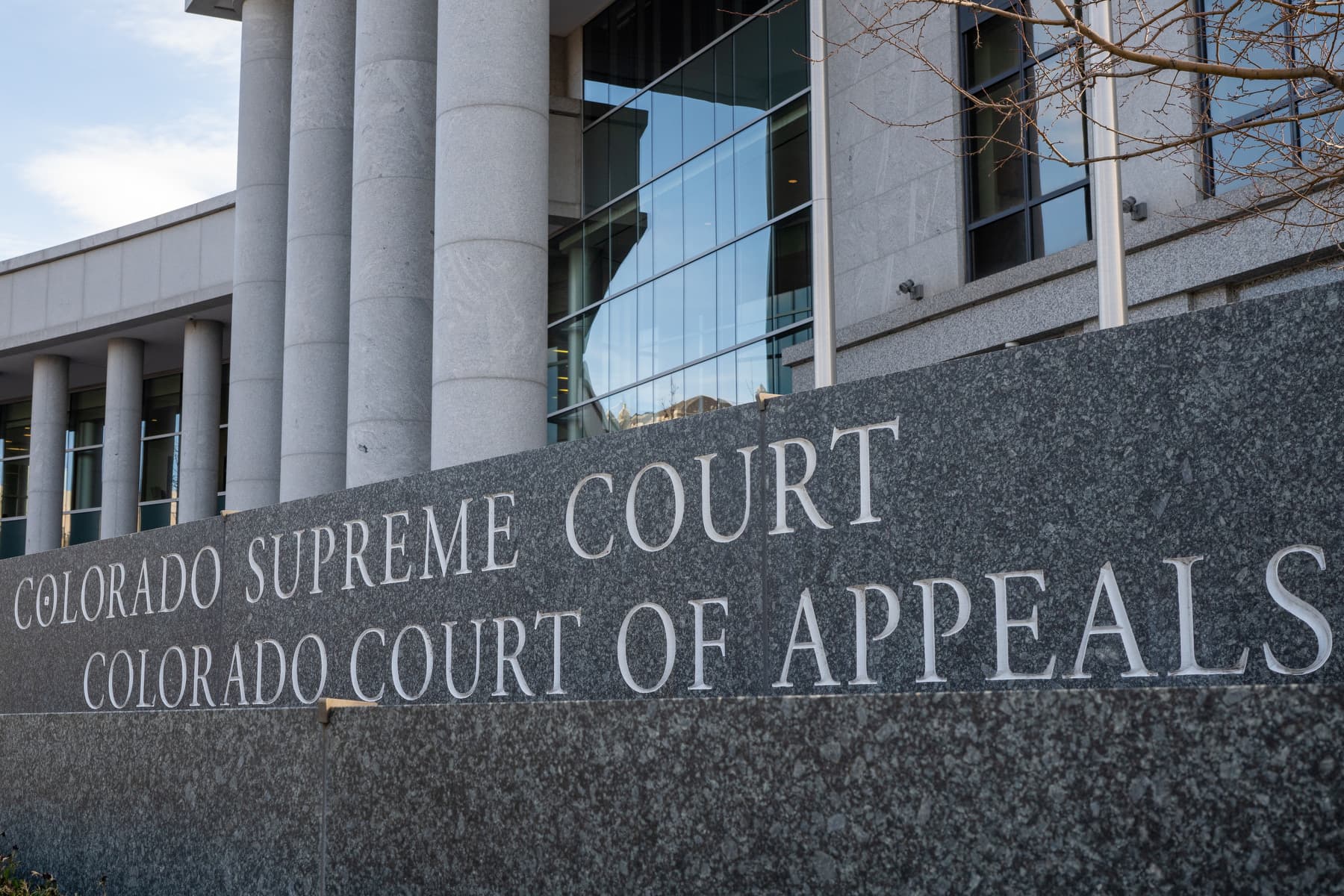
Sheinbaum resists U.S. pressure as officials face cartel probe
U.S. prosecutors accused Sinaloa Governor Rubén Rocha Moya and nine others of cartel ties, deepening a clash that forced Claudia Sheinbaum to reject pressure and demand proof.

U.S. prosecutors unsealed an indictment on April 30, 2026, accusing Sinaloa Governor Rubén Rocha Moya and nine other current and former officials of conspiring with the Sinaloa cartel to move fentanyl, heroin, cocaine and methamphetamine into the United States. The case immediately put President Claudia Sheinbaum in a bind: she said Mexico would require “irrefutable” evidence before extraditing officials, even as Washington pressed harder on Mexico’s political class.
That pressure had been building for months. On June 11, 2025, the Trump administration pushed Mexico to investigate and prosecute politicians suspected of links to organized crime and to extradite them if they faced charges in the United States. The request was raised at least three times in bilateral meetings involving Secretary of State Marco Rubio and his team. Sheinbaum denied the claim the next day, calling it “fake news” and insisting the United States was not applying that kind of pressure.
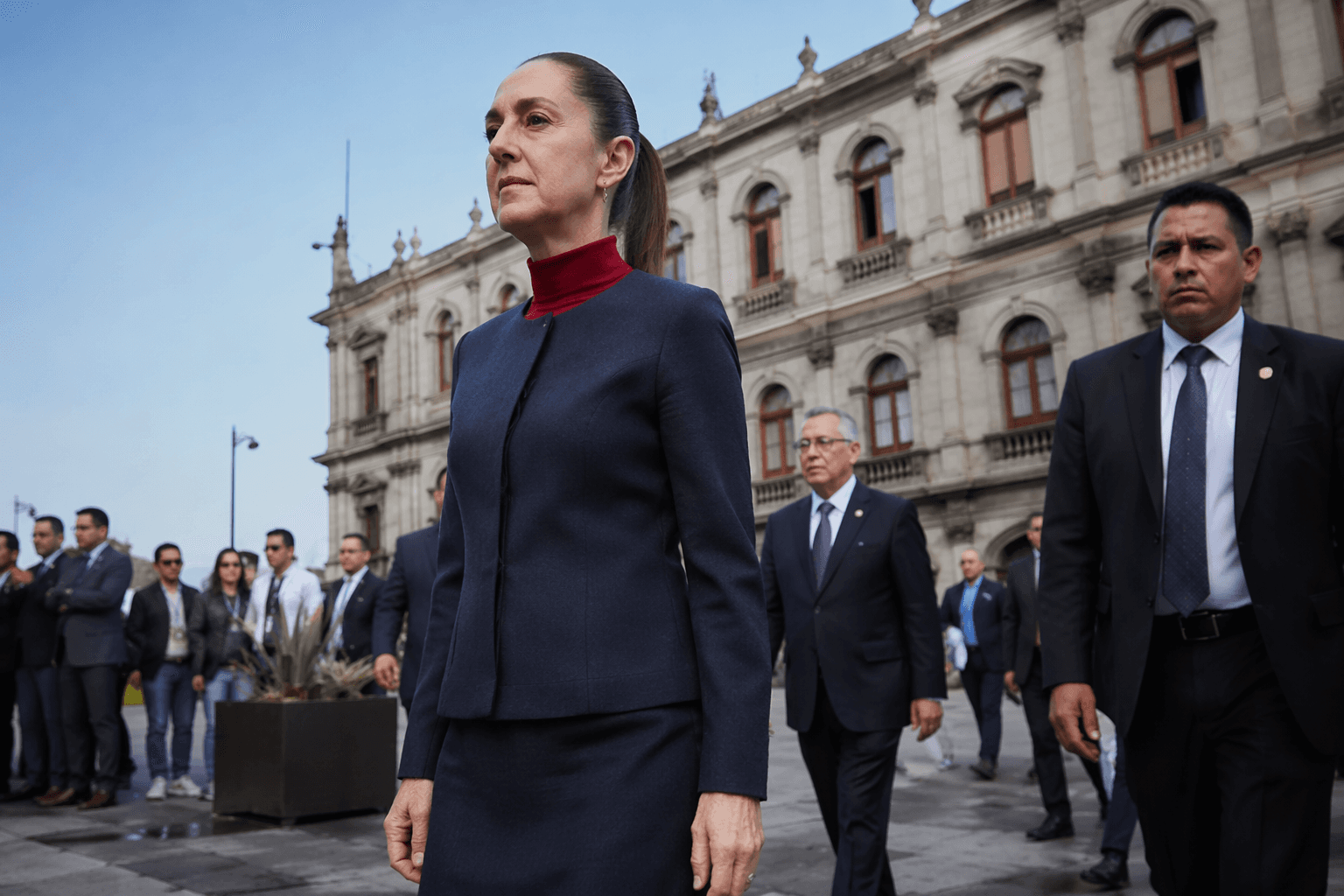
The fight did not stop at criminal cases. U.S. officials also moved to tighten travel access for Mexican figures seen as vulnerable to scrutiny. The list of possible targets included leaders of Sheinbaum’s Morena party, state governors and former Cabinet ministers, and later reports said the United States had revoked visas for at least 50 Mexican officials and politicians. That created a new layer of leverage, one that reached beyond prosecutors and into the personal and political networks that sustain power in Mexico.
For Sheinbaum, the stakes go beyond one indictment. Cooperating too quickly risks feeding suspicions at home that Washington is intruding into Mexico’s internal affairs. Holding back too forcefully could weaken her anti-cartel posture and complicate ties with U.S. officials who have framed cartel infiltration in Mexican politics as a security issue. The tension cuts through Morena itself, where any sign of cooperation with the Trump administration can look like either pragmatism or surrender, depending on who is watching.
The broader dispute has also drawn threats of additional cases and possible closure of some U.S. consulates in Mexico, a signal that the confrontation could widen if neither side backs off. With World Cup preparations and USMCA renegotiation ahead, both governments have incentives to preserve working ties. But the Rocha Moya indictment has made the underlying question unavoidable: how much pressure can Washington apply before Mexico sees it as an attack on sovereignty, not a campaign against corruption?
This article was produced by Prism’s automated news system from verified source data, official records, and press releases, then run through automated quality and moderation checks before publishing. The system is built and supervised by the people who set the standards it runs under. Read our full AI policy.
Did this article answer your question?