Shibuya cracks down on littering with spot fines and trash-can mandate
Shibuya is fining littering on the spot while refusing more ward bins, forcing businesses to carry the load of booming visitor traffic.
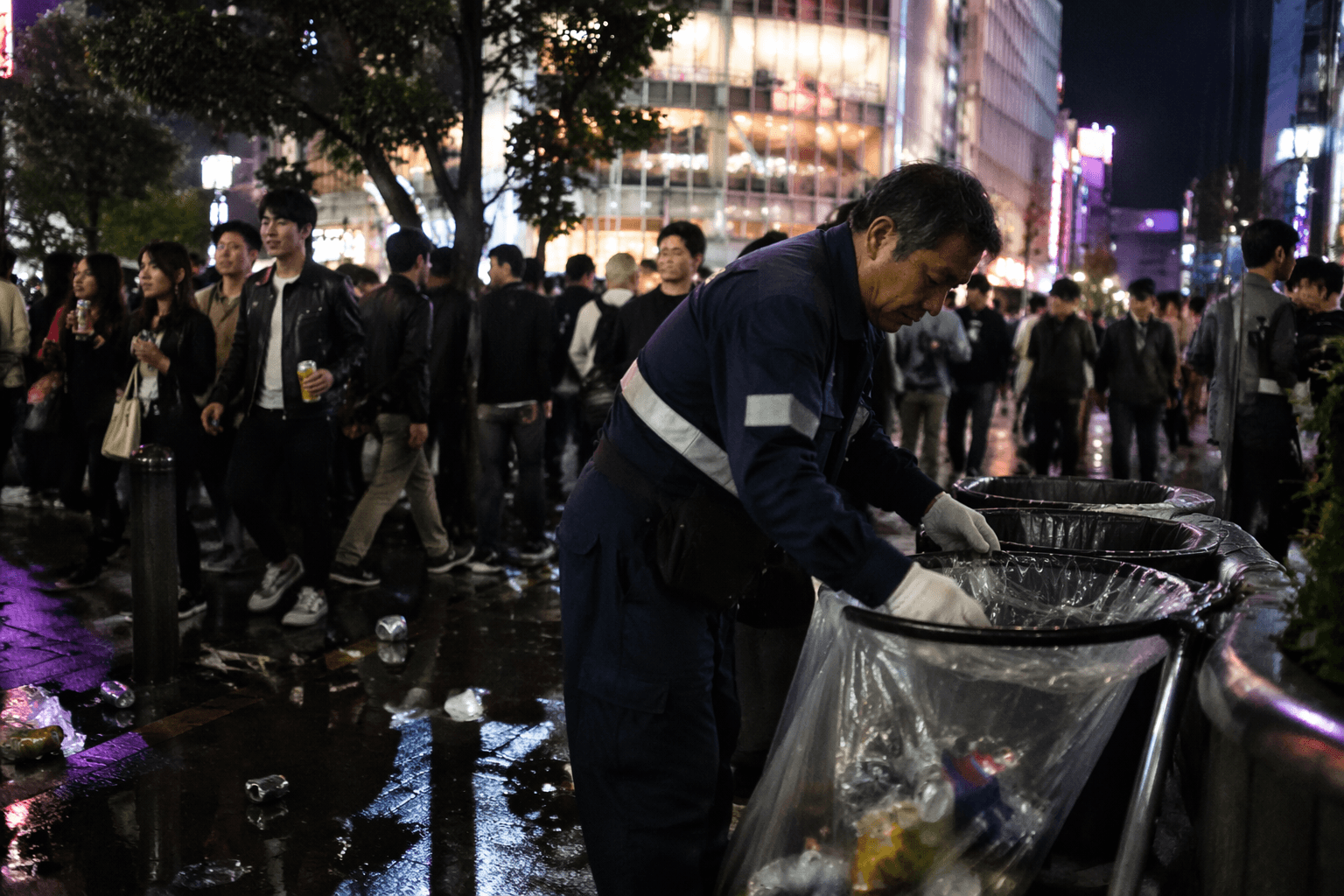
Shibuya Ward’s answer to overflowing sidewalks was not more public trash cans, but fines. Since June 1, people caught dropping garbage anywhere in the ward have faced an immediate 2,000-yen penalty, with roving multilingual officers patrolling crowded corridors from Shibuya Station to Harajuku.
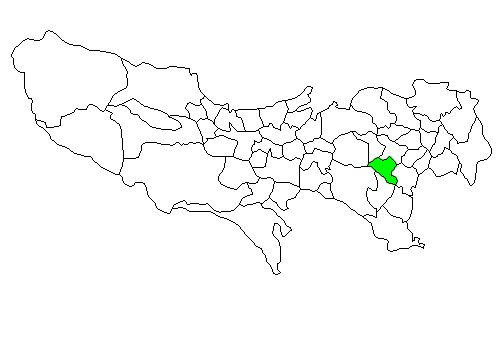
The crackdown reaches far beyond the station area. It applies across all of Shibuya Ward, including Yoyogi, Takeshita Street, Omotesando, the approach to Meiji Shrine and the districts around Ebisu Station. Ward officials said the goal is to restore order in one of Tokyo’s most visited neighborhoods as foot traffic surges and litter complaints rise with it.
Shibuya is also shifting the burden onto private businesses. Convenience stores and cafes in designated areas near Shibuya, Harajuku and Ebisu stations must install trash cans, and businesses that do not comply can face fines of up to 50,000 yen beginning in June. Ward officials said this was the first such trash-can mandate in Tokyo and one of the few in Japan. At the same time, Shibuya Ward said it would not add more ward-managed bins, arguing that taxpayers should not pay for waste generated by visitors from outside the area. Instead, the ward is encouraging local businesses to place bins voluntarily in public spaces.
Mayor Ken Hasebe said the ward is “overhauling” its approach to littering. The language reflects a broader shift in urban management: rather than expanding public infrastructure to match visitor growth, Shibuya is using enforcement and private-sector obligations to control behavior in the streets.
The policy also fits a wider pattern in Tokyo’s tourist districts. Shibuya already enforces year-round restrictions on public drinking around Shibuya Station, a measure that grew out of temporary Halloween and New Year’s Eve rules and was extended because of littering, noise and safety concerns. The district’s response is increasingly shaped by crowd control, not hospitality.
That approach sits against a longer national history. Since the 1990s, many Japanese municipalities have reduced or removed public trash cans because of maintenance costs, illegal dumping and security fears that intensified after the 1995 Tokyo subway sarin attack. The result has been a system that often tells people to carry their waste home, even in places built to absorb huge numbers of visitors. Shibuya’s new fines suggest that model is under strain.
This article was produced by Prism’s automated news system from verified source data, official records, and press releases, then run through automated quality and moderation checks before publishing. The system is built and supervised by the people who set the standards it runs under. Read our full AI policy.
Did this article answer your question?