Shiffrin secures record ninth slalom title, Olympic favourite
Mikaela Shiffrin clinched a record ninth World Cup slalom globe in Spindleruv Mlyn and tallied her 108th World Cup win. She heads into the Olympics as the clear favourite.
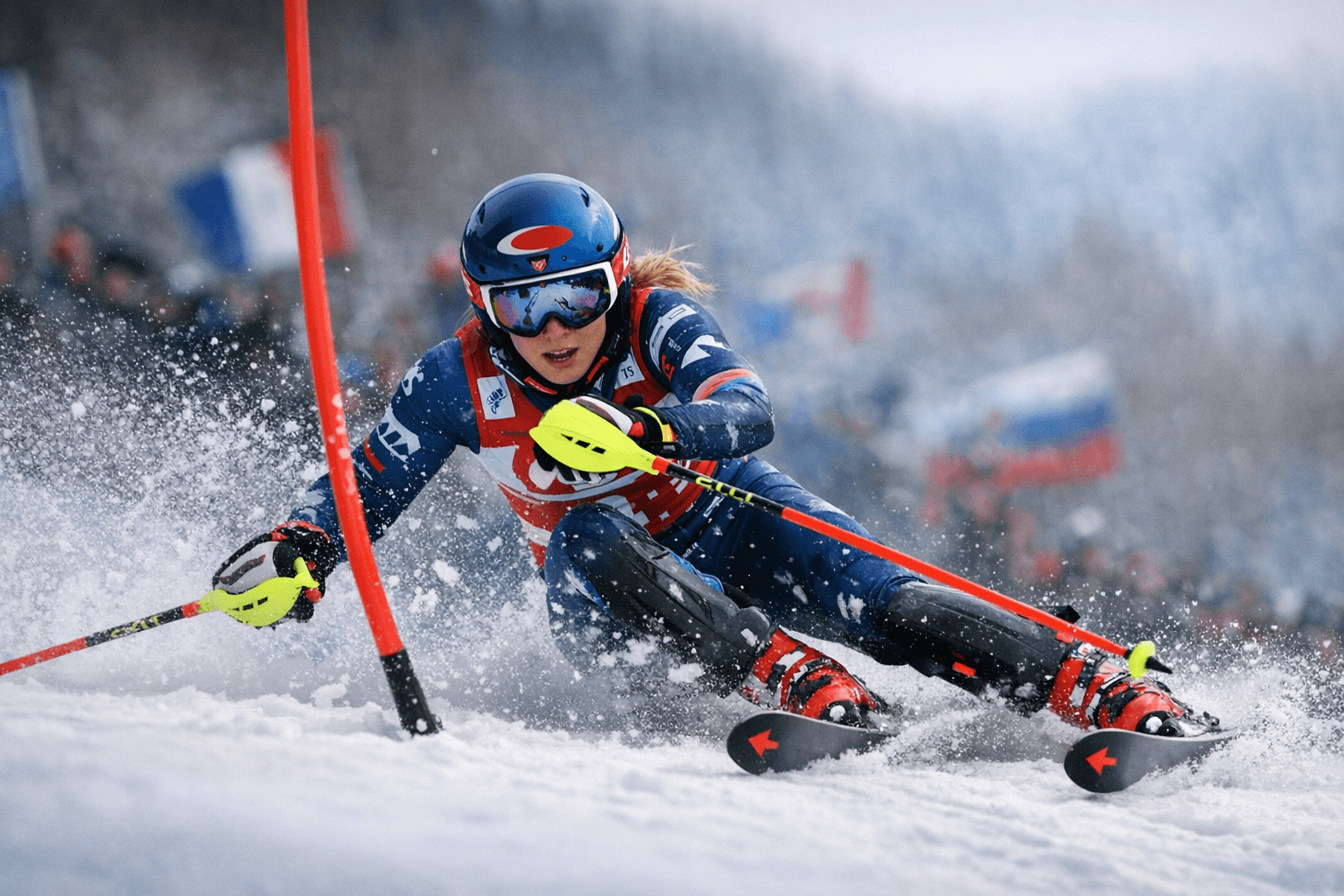
Mikaela Shiffrin expanded her hold on the slalom discipline with a commanding victory in Spindleruv Mlyn that secured a record ninth World Cup slalom crystal globe. The win, recorded on Jan 25, marked the 108th World Cup triumph of her career and her 71st in slalom, underscoring a level of sustained excellence rare in alpine skiing.
The achievement is notable less for a single day's performance than for what it represents: three decades of technical refinement and competition management compressed into a career of relentless precision. Shiffrin's numbers are stark evidence of consistency. Reaching nine slalom globes is a benchmark that rewrites the expectations for specialization within a sport that rewards versatility and fearlessness in equal measure. Her mastery of rhythm, edge control and split-second decision making has become a template for younger racers aiming to close the gap.
Beyond the slopes, the commercial and institutional ripple effects are immediate. Shiffrin's dominance elevates the profile of alpine skiing in the United States and bolsters the marketability of the sport globally. Broadcasters, sponsors and equipment manufacturers all benefit from a reliable marquee figure who attracts viewers and drives product interest. For the U.S. Ski and Snowboard Association, her presence offers leverage in negotiating media and sponsorship deals, while ski resorts and winter-tourism businesses stand to gain from increased participation and consumer spending tied to her star power.
The timing is consequential. With the Winter Olympics looming, Shiffrin steps into the Games as a heavy favourite, carrying both the expectations of a nation and the commercial forces that orbit elite sport. That dual role can change how athletes train and how federations allocate resources. National teams increasingly place a premium on data analytics, marginal gains in equipment tuning, and psychological support to ensure that stars remain both healthy and available for the events that matter most to sponsors and fans.
Culturally, Shiffrin's continued ascent reinforces conversations about women's sports and visibility. Her career longevity challenges traditional narratives about peak ages in high-intensity winter sports and offers a potent story of resilience amid injury, pressure and scrutiny. Young athletes, particularly girls, see in her not only medals but a blueprint for longevity: technical focus, tactical intelligence and an ability to adapt across seasons and competitive formats.
There are social implications as well. High-profile success in a niche winter sport tends to expand grassroots participation, prompting clubs and local programs to seek funding and talent. If youth enrollments rise, this could shift funding priorities at the municipal level and influence where ski infrastructure investments are made. The result is a virtuous cycle: visibility drives participation, which builds talent pools for future champions.
Shiffrin's record ninth slalom globe is therefore more than a personal milestone. It is a commercial asset, a cultural signal and a strategic pivot point for a sport negotiating the demands of media, sponsors and athlete welfare. As she heads into the Olympics, the focus will turn to how she balances expectation with execution, and how the wider skiing ecosystem adapts to the presence of a once-in-a-generation competitor.
This article was produced by Prism’s automated news system from verified source data, official records, and press releases, then run through automated quality and moderation checks before publishing. The system is built and supervised by the people who set the standards it runs under. Read our full AI policy.
Did this article answer your question?
.jpg&w=1920&q=75)