Shivaji statue fallout fuels demand for warrior king figurines
A sculptor’s online video turned Shivaji figurines into hot sellers as the Rajkot Fort collapse made the warrior king a sharper political symbol.

A sculptor’s figurines and statues of Chhatrapati Shivaji Maharaj are suddenly in demand, a surge that began after he posted a video online and quickly fed into Maharashtra’s charged politics around the Maratha ruler. The rush has turned Shivaji imagery into more than devotional ornament or heritage craft. It has become a market shaped by social media, political aspiration and the public appetite for symbols of identity.
That appetite sharpened after the 35-foot Shivaji statue at Rajkot Fort in Malvan, in Sindhudurg district, collapsed on August 26, 2024, less than nine months after Prime Minister Narendra Modi had inaugurated it on December 4, 2023. The collapse triggered arrests, a police probe and a wave of political attacks on the state government. Modi later apologized publicly on August 30, 2024, saying the people hurt by the collapse deserved his apology.
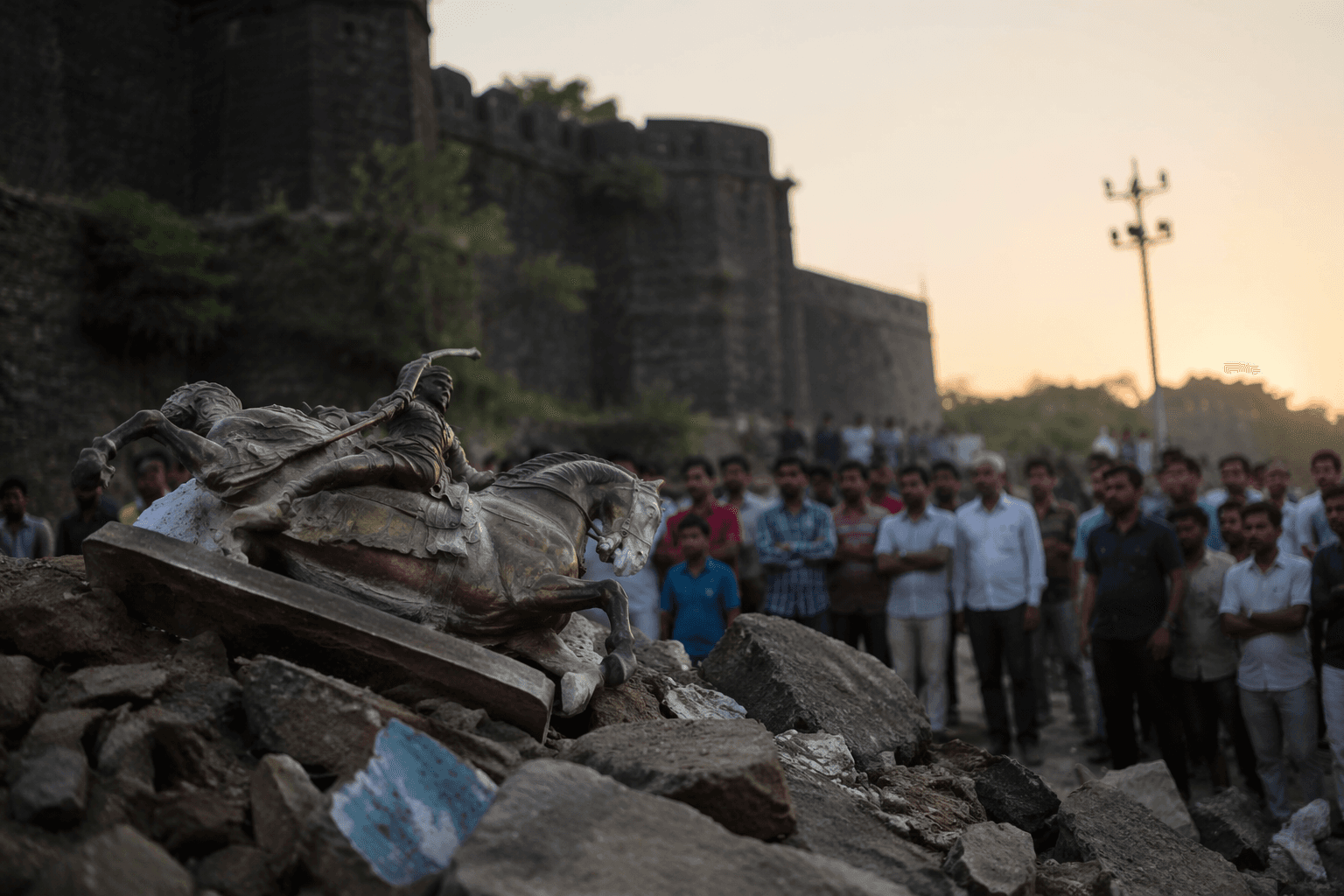
Investigators said internal corrosion, rusting and a weak frame contributed to the failure. Malvan Police arrested sculptor-contractor Jaydeep Apte and structural consultant Chetan Patil in connection with the case. The episode exposed how politically loaded these monuments have become, with every flaw in construction taking on a meaning far beyond engineering.
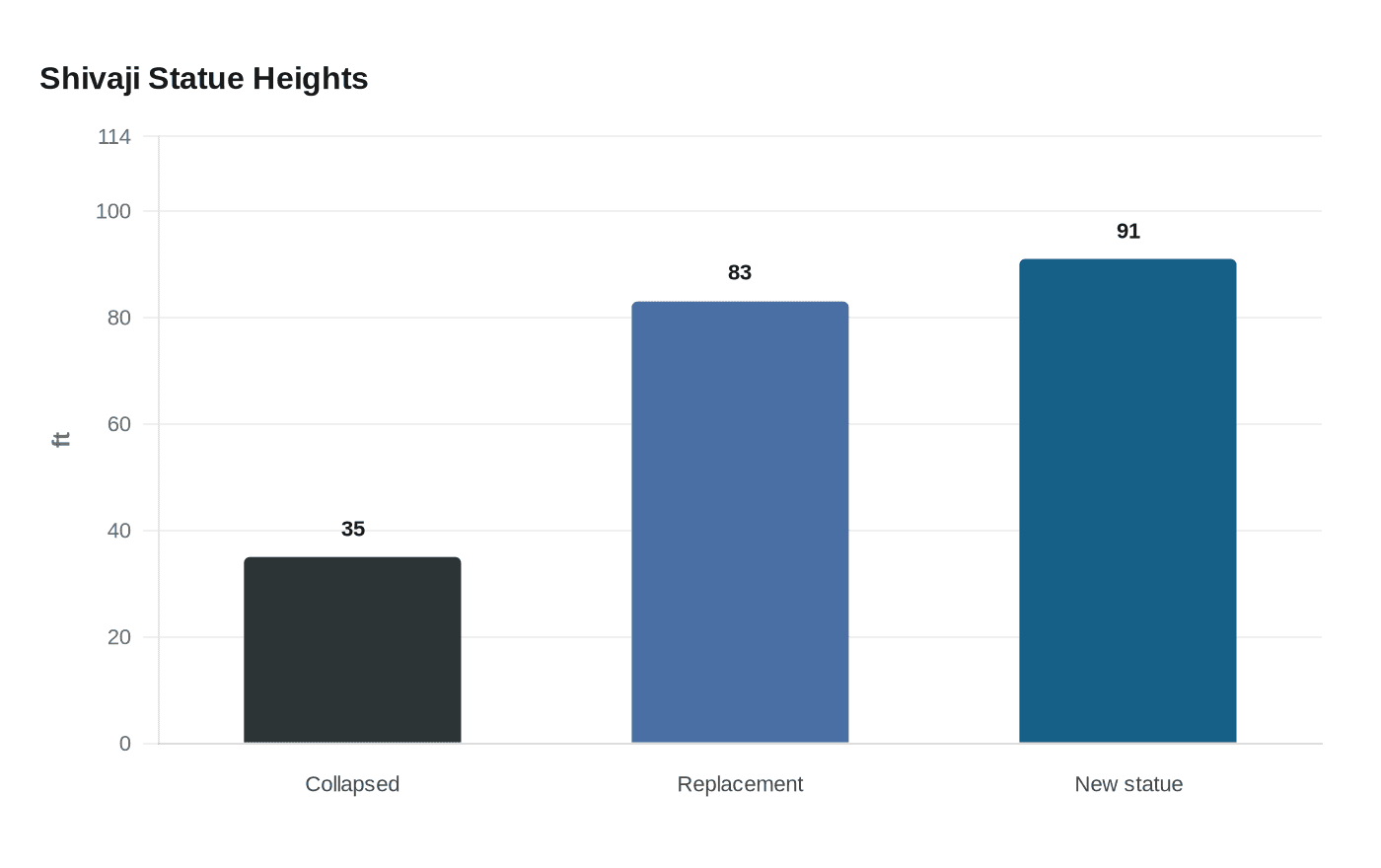
The response was not retreat but escalation. Maharashtra officials and contractors moved to replace the fallen statue with a larger one, commissioning an 83-foot bronze statue built by Ram Sutar’s firm at a reported cost of 21.9 crore. A new 91-foot statue of Shivaji Maharaj was later unveiled at the same site on May 12, 2025, underlining how the symbolism around the king has continued to grow even after the collapse.
That symbolism has spread beyond one memorial site. In April 2026, reports said more than three dozen unauthorized statues of Shivaji and Sambhaji appeared overnight across parts of Marathwada, prompting police concern about possible political motives. The spate of installations showed how Shivaji’s image has moved through the public sphere as a reusable emblem, one that can be reproduced quickly, sold widely and deployed for political effect.
The sculptor’s booming business now sits inside that larger loop. A single online video, a collapsing monument and a string of ever-larger replacements have helped turn Shivaji from a historical figure into a mass-market nationalist icon, with each new statue reinforcing the demand for the next.
This article was produced by Prism’s automated news system from verified source data, official records, and press releases, then run through automated quality and moderation checks before publishing. The system is built and supervised by the people who set the standards it runs under. Read our full AI policy.
Did this article answer your question?

