Shutdown threat rises as Senate blocks $64.4 billion DHS bill after ICE shootings
Senate Democrats withheld votes on a $64.4 billion DHS funding bill after a second U.S. citizen was fatally shot by federal immigration officers, raising shutdown odds.
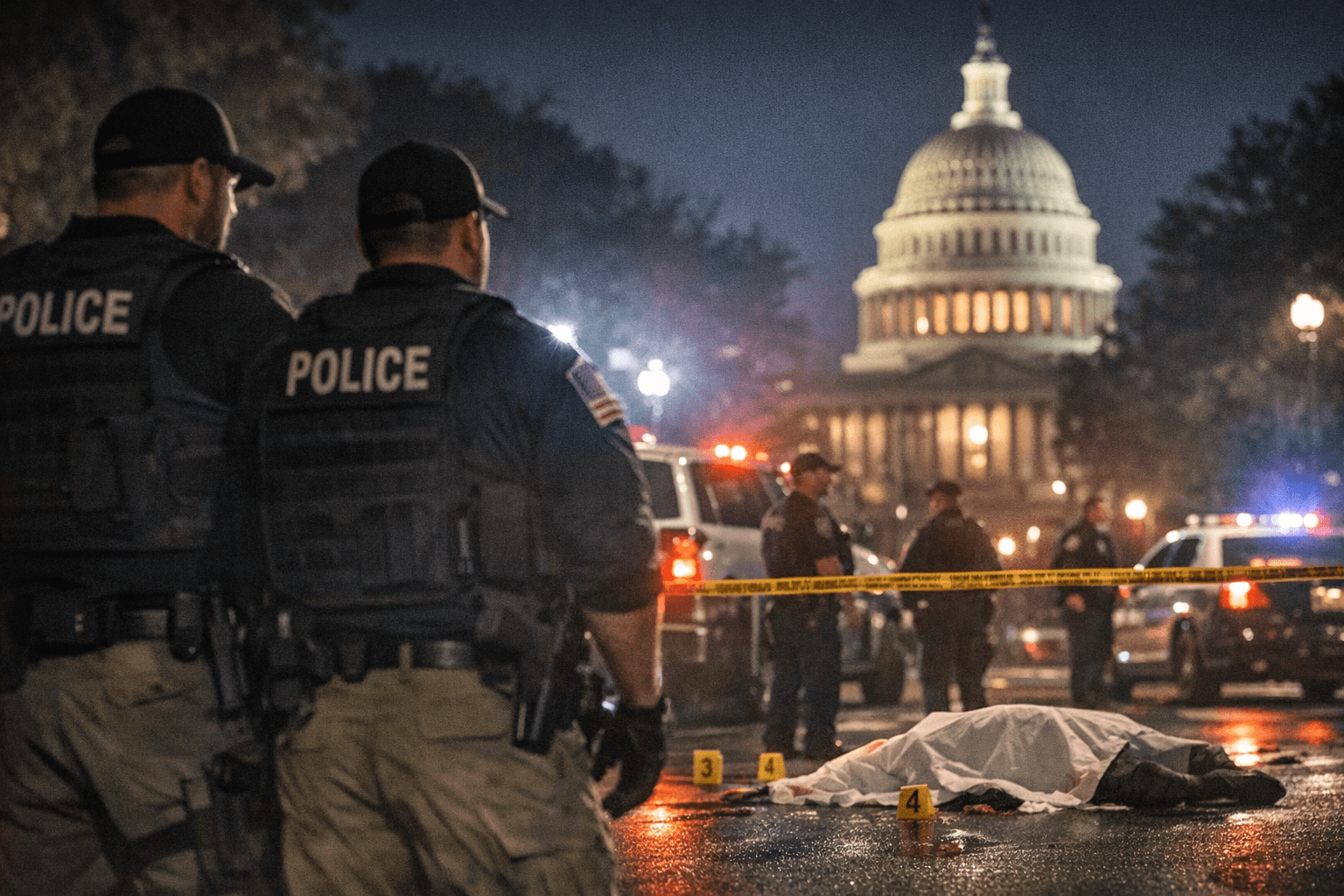
A partial U.S. government shutdown appeared increasingly likely after Senate Democrats said they would withhold votes on a $64.4 billion Department of Homeland Security funding bill following the fatal shooting of a second U.S. citizen by federal immigration officers on January 26. The move stalled a core appropriations package and intensified partisan confrontation over immigration enforcement and oversight.
The House passed its version of the DHS measure last week, but Senate leaders lacked the votes to advance the bill once Democrats announced their opposition. With regular appropriations deadlines approaching, the impasse leaves key DHS operations at risk of disruption if Congress cannot pass continuing funding before current authority lapses.
DHS is one of the largest federal employers, with roughly 200,000 to 250,000 staff spread across agencies such as Immigration and Customs Enforcement, Customs and Border Protection, the Transportation Security Administration and the Federal Emergency Management Agency. Many front-line functions are legally designated as essential and would continue during a shutdown, but nonessential employees could be furloughed and services provided through contractors could be interrupted, potentially slowing visa processing, grant programs and longer-term preparedness projects.
The political clash centers on accountability for immigration enforcement. Democrats linked their decision to withhold votes to public outrage over the shootings, arguing that Congress should not approve full-year funding without meaningful investigations and reforms of federal immigration tactics. Republicans counter that depriving DHS of timely funding risks border security and national preparedness. Neither side has yet offered a compromise path that would preserve the bill while addressing oversight demands.
Economic consequences of a shutdown are well-documented. The 2018-19 partial federal shutdown removed an estimated $11 billion in economic activity and produced about $3 billion in permanently lost output, according to budget analyses at the time. Even short interruptions can impose acute costs: back pay for furloughed workers, delays in federal contracts, and disruptions for households that rely on government services. Financial markets typically react to heightened political risk with modest volatility, while Treasury cash-management strains can complicate federal borrowing if a shutdown extends or coincides with other budgetary stress.
For domestic policy, the standoff underscores a broader, long-term trend toward using appropriations as leverage for social and law-enforcement reform. Congress has increasingly tied spending decisions to policy priorities, raising the frequency and severity of fiscal showdowns that can ripple through the economy and disrupt agency operations. Analysts say predictable funding pathways, such as multiyear appropriations or clearer contingency protocols, would reduce the leverage of episodic crises but would require bipartisan willingness to cede annual negotiating power.
As lawmakers head back to the negotiating table, attention will focus on whether Democrats seek binding conditions on ICE and other DHS components, and whether Republicans will accept oversight measures in exchange for votes. Unless both sides agree on a short-term stopgap or related concessions, the federal government could face a title-limited shutdown that would test the resilience of homeland security operations and the political appetite for a prolonged fiscal standoff.
This article was produced by Prism’s automated news system from verified source data, official records, and press releases, then run through automated quality and moderation checks before publishing. The system is built and supervised by the people who set the standards it runs under. Read our full AI policy.
Did this article answer your question?