Simple Homemade Bath Bomb Recipe and Practical Tips for Beginners
A compact, beginner-friendly bath bomb recipe lays out exact measurements and step-by-step technique to help crafters make safe, reproducible products at home. The guide also offers practical advice on sourcing citric acid, controlling humidity, choosing colours, and using flexible household molds to improve consistency and finish.

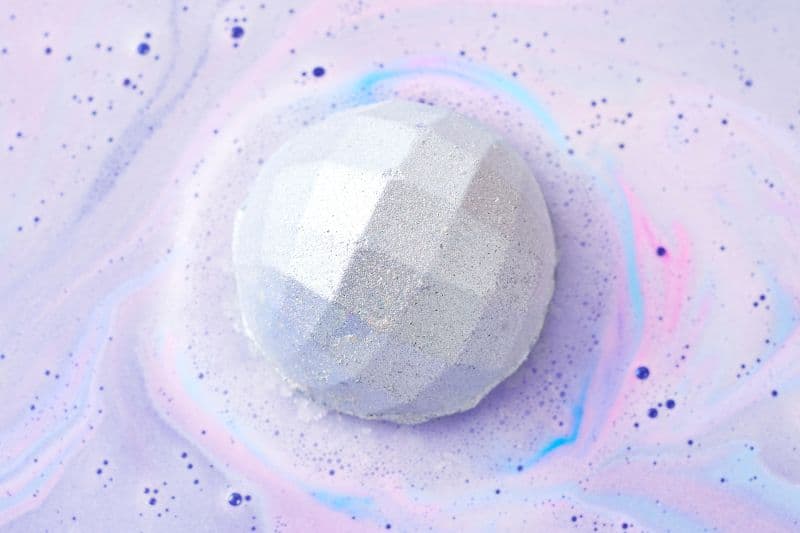
A straightforward recipe and method for homemade bath bombs gives community crafters a reliable starting point for making fizzing bath treats at home. The formula uses specific, easy-to-weigh ingredients and clear technique so results are repeatable whether you are crafting for gifts, selling at local markets, or running a weekend workshop.
The basic mix calls for approximately 100 grams bicarbonate of soda, 50 grams citric acid, 25 grams cornflour, and 25 grams Epsom salt, combined with a carrier oil and a small amount of essential oil for fragrance. Begin by thoroughly whisking the dry ingredients until uniform. Prepare a separate mix of carrier oil, essential oil and any chosen colour, then add that liquid mix slowly to the dry ingredients while whisking to avoid premature reaction. Only add tiny droplets of water if the blend won’t hold together; too much moisture triggers fizzing and spoils the texture. Press the finished mix firmly into flexible household molds and allow them to set for 2 to 4 hours before unmolding.
Practical details make the difference between a crumbly ball and a professional-feeling bomb. Flexible silicone or household molds help release finished bath bombs cleanly, and pressing the mixture firmly into the mold reduces cracking. Humidity affects both texture and setting time, so work in a dry environment or use a dehumidified room when preparing batches during damp weather. Colour choices matter visually and can be concentrated, so start with small amounts and test one bomb before colouring a whole batch.

Sourcing citric acid from reputable suppliers is important for consistent results and safety. Verify citric acid comes from food-grade or cosmetic-grade suppliers rather than uncertain retail sources. Epsom salt and carrier oils are widely available from pharmacies and craft suppliers; choose oils suited to skin use and avoid excessive essential oil to reduce the risk of irritation.
The recipe and tips are designed to be accessible and reproducible for beginners while offering enough control for small-scale makers to refine their technique. For community groups, craft nights and independent sellers, these practical pointers shorten the trial-and-error period and help produce safer, more attractive bath bombs with predictable results.
Know something we missed? Have a correction or additional information?
Submit a Tip