Sir Mark Tully dies at 90, the BBC voice of India remembered
Sir Mark Tully dies at 90, ending a broadcasting era defined by patient, context-rich reporting from South Asia that shaped British understanding of the region.
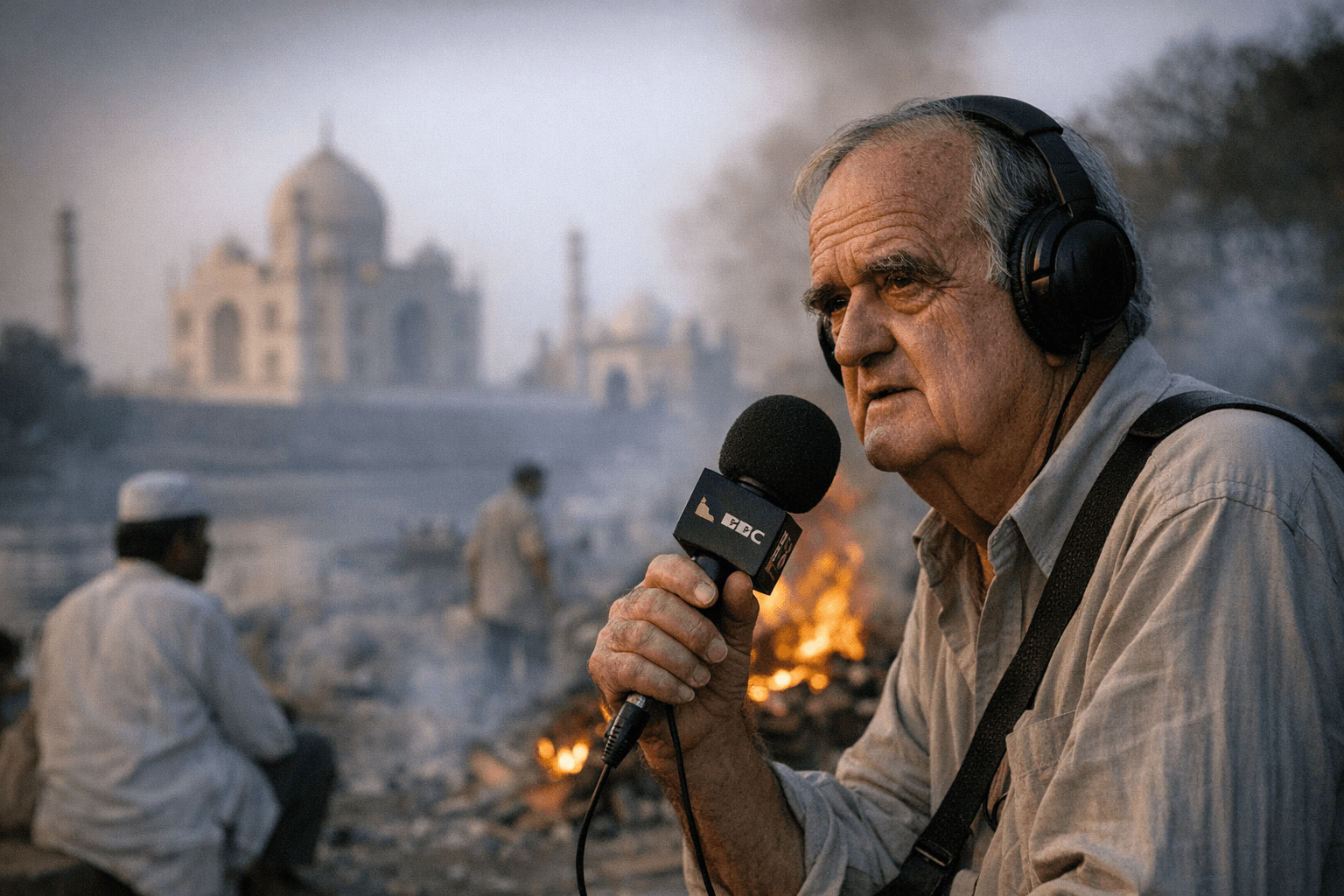
Sir Mark Tully, the longtime BBC correspondent often described as the "voice of India", dies at 90, colleagues and media outlets confirm. Tully spent decades reporting from South Asia for the BBC and authored several books on the region, building a reputation for measured, deeply contextual journalism that translated complex societies for British and global audiences.
Tully’s work exemplified an era when foreign correspondents were expected to immerse themselves in place and language, producing long-form radio and written pieces that privileged background, nuance and moral complexity over instant headlines. His reports became a staple for listeners seeking not just facts but interpretation, and his departure underscores the shrinking bench of journalists with the time and institutional backing to cultivate such expertise.
Performance-wise, Tully brought a patient, narrative-driven craft to international reporting. He favored scene-setting, interviews that revealed everyday life, and an attentiveness to cultural nuance that allowed him to explain political events within broader social currents. That approach sustained audience trust at a time when broadcasters competed for attention with faster, more visual forms of news. The consistency of his voice and perspective helped cement the BBC’s authority on South Asian affairs for multiple generations.
Industry trends amplify the significance of his passing. Global newsrooms have trimmed foreign bureaus and leaned into stringer models, social media sourcing and bite-sized video packages. Those shifts favor speed and volume over the slow, contextual reporting that defined Tully’s career. For public broadcasters and legacy media, losing figures like Tully is more than the end of an individual career; it reveals the commercial pressures that are fraying institutional capacities to produce in-depth international coverage. The business calculus driving audience growth and advertising or subscription revenue often allocates fewer resources to the kind of on-the-ground expertise Tully embodied.
Culturally, Tully occupied a complex position as a British journalist who became synonymous with Indian life for overseas audiences. His reporting helped shape how India was perceived abroad, influencing diplomatic understanding, cultural exchange and the diasporic imagination. At the same time, his career invites reflection on the responsibilities of foreign correspondents covering postcolonial societies: the need to avoid paternalism, to amplify local voices, and to reckon with historical power imbalances in storytelling.
Socially, his passing prompts questions about representation in international newsrooms and about the public’s appetite for context-rich journalism. In an age of misinformation and polarized news diets, Tully’s style serves as a reminder that deep knowledge and sustained presence can counter simplistic narratives. His books and body of reporting remain a resource for those who seek thoughtful engagement with South Asia’s politics and societies.
Tully’s death marks the end of a broadcasting archetype: the roving correspondent whose authority is built on time, linguistic fluency and relationships. As media organizations chart strategies for a fragmented audience, his legacy will be measured not only in the stories he filed but in how institutions adapt to preserve the depth and trust his journalism provided.
This article was produced by Prism’s automated news system from verified source data, official records, and press releases, then run through automated quality and moderation checks before publishing. The system is built and supervised by the people who set the standards it runs under. Read our full AI policy.
Did this article answer your question?