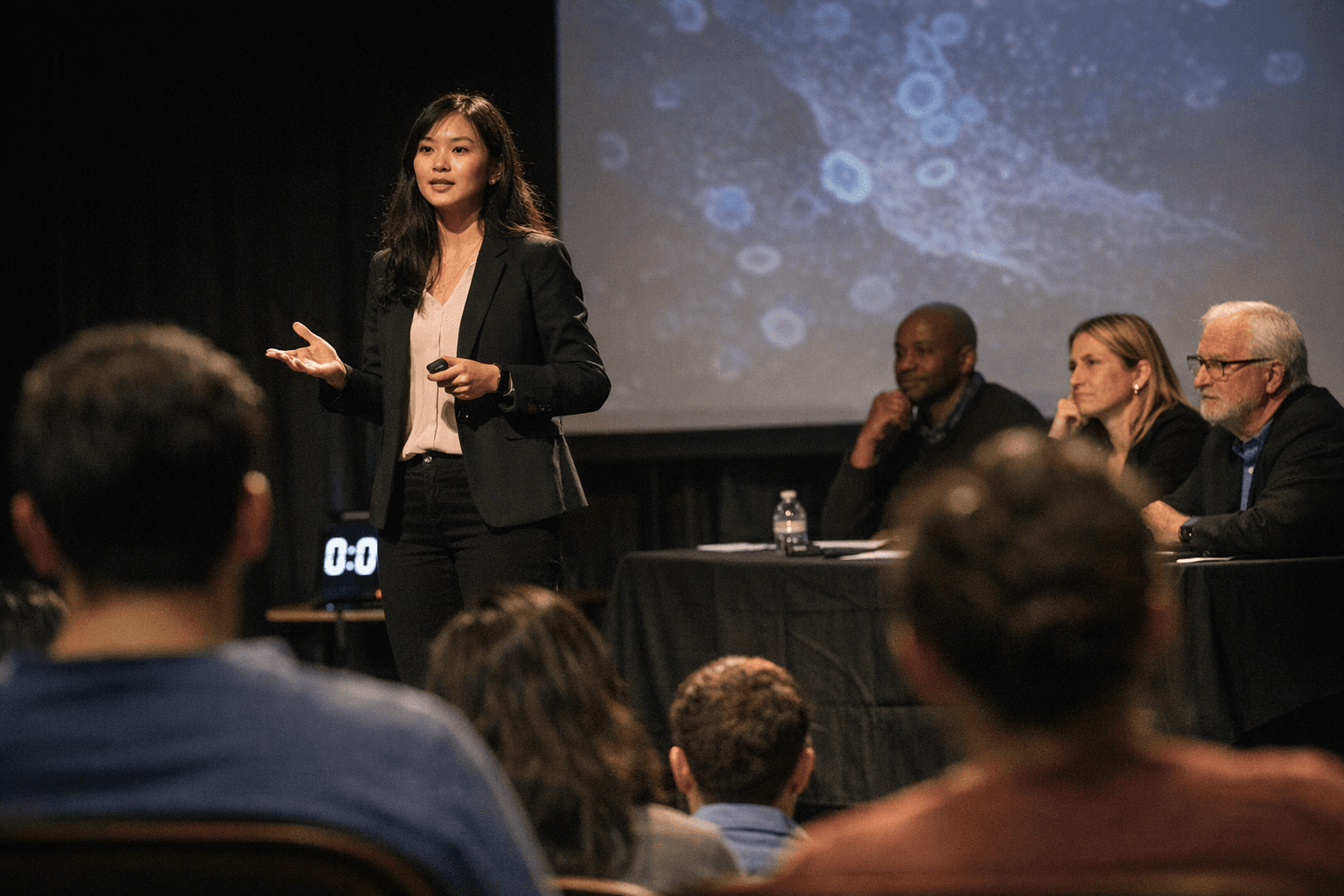
Six Deer Park student-athletes attend county leadership and mental health conference
Six Deer Park students joined a Suffolk County leadership conference for athletes on Jan. 8, gaining recruiting guidance and mental-health tools that matter for college and community life.
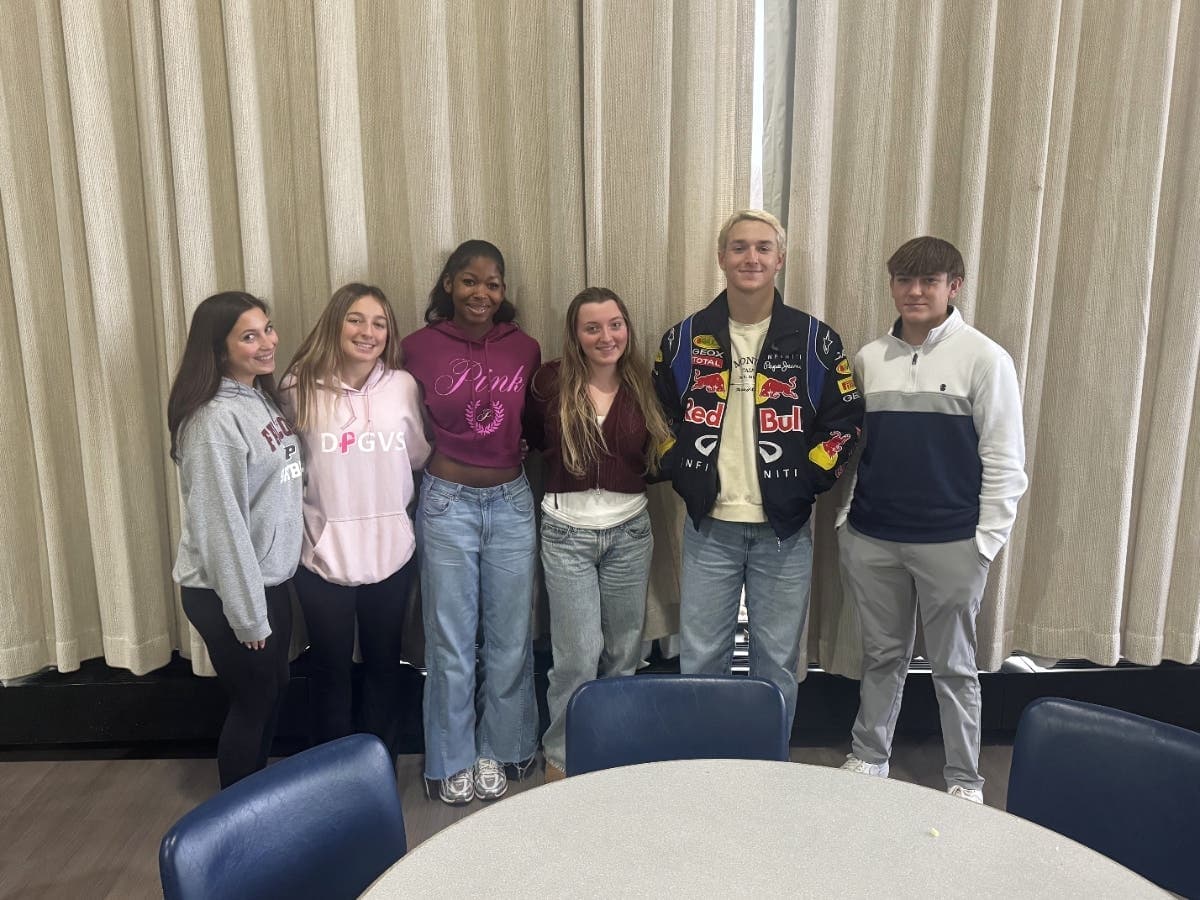
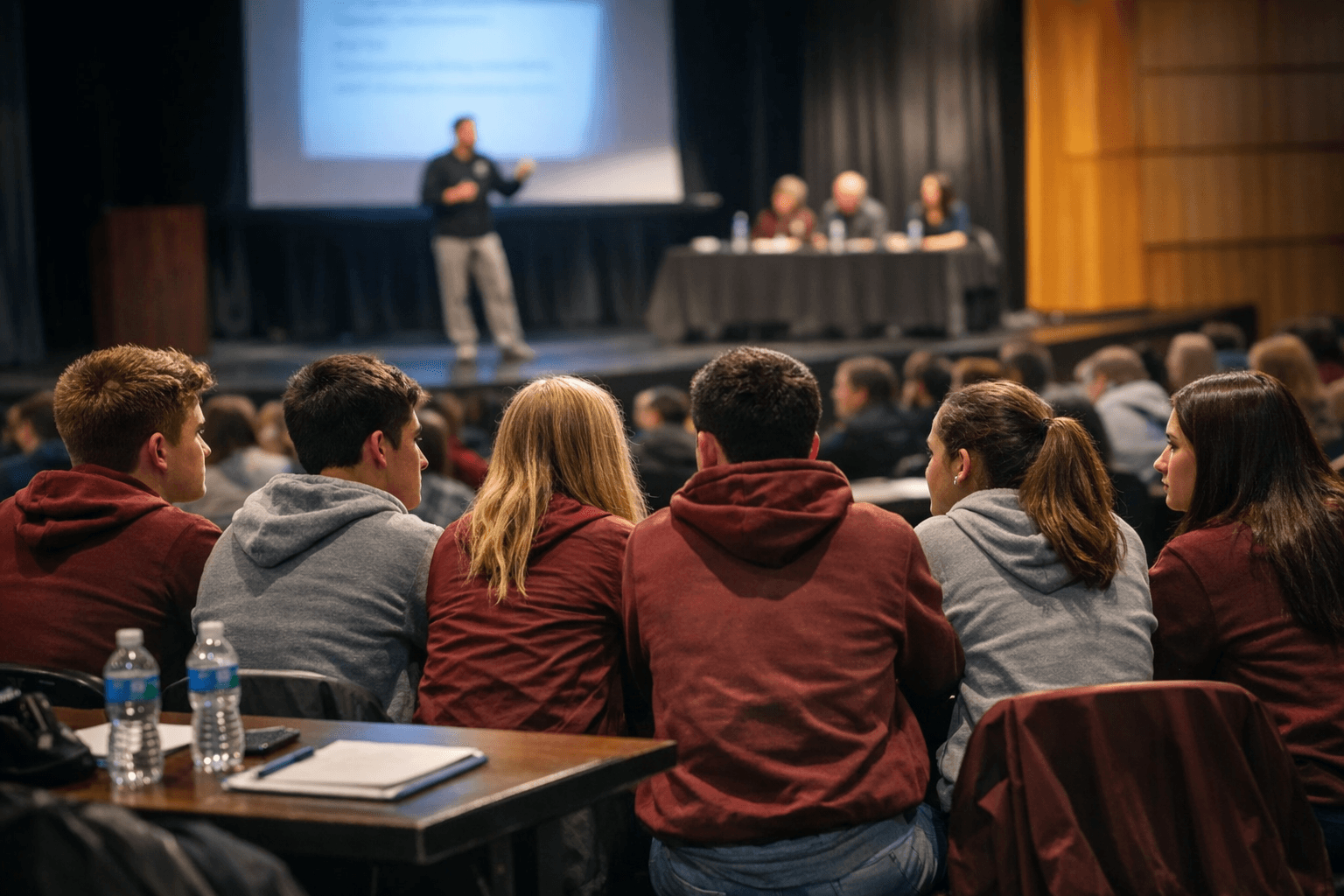
Six Deer Park High School student-athletes took part in the Section XI Student-Athlete Leadership Conference on Jan. 8, a countywide program that brought together former and current professional athletes, college coaches, athletic directors, sports psychologists and a former Navy SEAL for interactive training. The Deer Park students, Kasumi Dennis, Max Ferguson, Taylor Gabel, Joe Geosits, Samantha Lent and Madison Picciocchi, participated in sessions on leadership within teams and school communities, the recruiting process for college athletics, and mental-health topics including resilience, balance and building support systems.
Section XI’s conference is designed to give high school athletes practical skills that affect both on-field performance and off-field outcomes. For Deer Park, sending six representatives is a tangible example of the district investing in leadership pipelines within its varsity programs. Countywide events like this reach across Suffolk County’s roughly 1.5 million residents, connecting local athletes to regional coaches and support professionals they may encounter during recruitment or college placement.
The immediate benefits are straightforward: students returned with clearer expectations about college recruiting timelines and the non-athletic factors college coaches evaluate. Sessions led by sports psychologists addressed stress management and support systems, topics that school districts increasingly prioritize after a rise in youth mental-health concerns over the last decade. District officials and the school’s Varsity Leaders Club adviser praised the students for representing Deer Park and continuing to develop as leaders on and off the field, framing the conference as part of ongoing character and wellness education.
For families weighing the costs and tradeoffs of college athletics, leadership and recruiting education can have economic implications. Understanding the recruiting process helps student-athletes target appropriate programs and scholarship opportunities, potentially reducing the financial burden of college by aligning expectations with realistic prospects. For the district, empowering student leaders may translate into lower discipline and absentee rates and stronger community engagement, outcomes that factor into budget and program decisions at the local level.
Long-term, conferences that combine leadership training with mental-health strategies support a broader shift in high school athletics away from win-at-all-costs models toward athlete development and well-being. That matters for Deer Park athletic culture and for parents planning college pathways. The takeaway? Investing time in leadership and mental-health education yields tangible preparation for recruiting and college life, and it helps student-athletes carry lessons from the locker room into the classroom and the community. Our two cents? If your student plays a sport, encourage them to pursue leadership opportunities like this, the payoff can be both personal and financial.
Sources:
Know something we missed? Have a correction or additional information?
Submit a Tip