Six-month milestone: painting slump, repairs and tabletop saves
I hit the six-month mark and had a slow week, finishing three minis and weighing a short break from painting. The work highlights common bench problems and practical fixes.
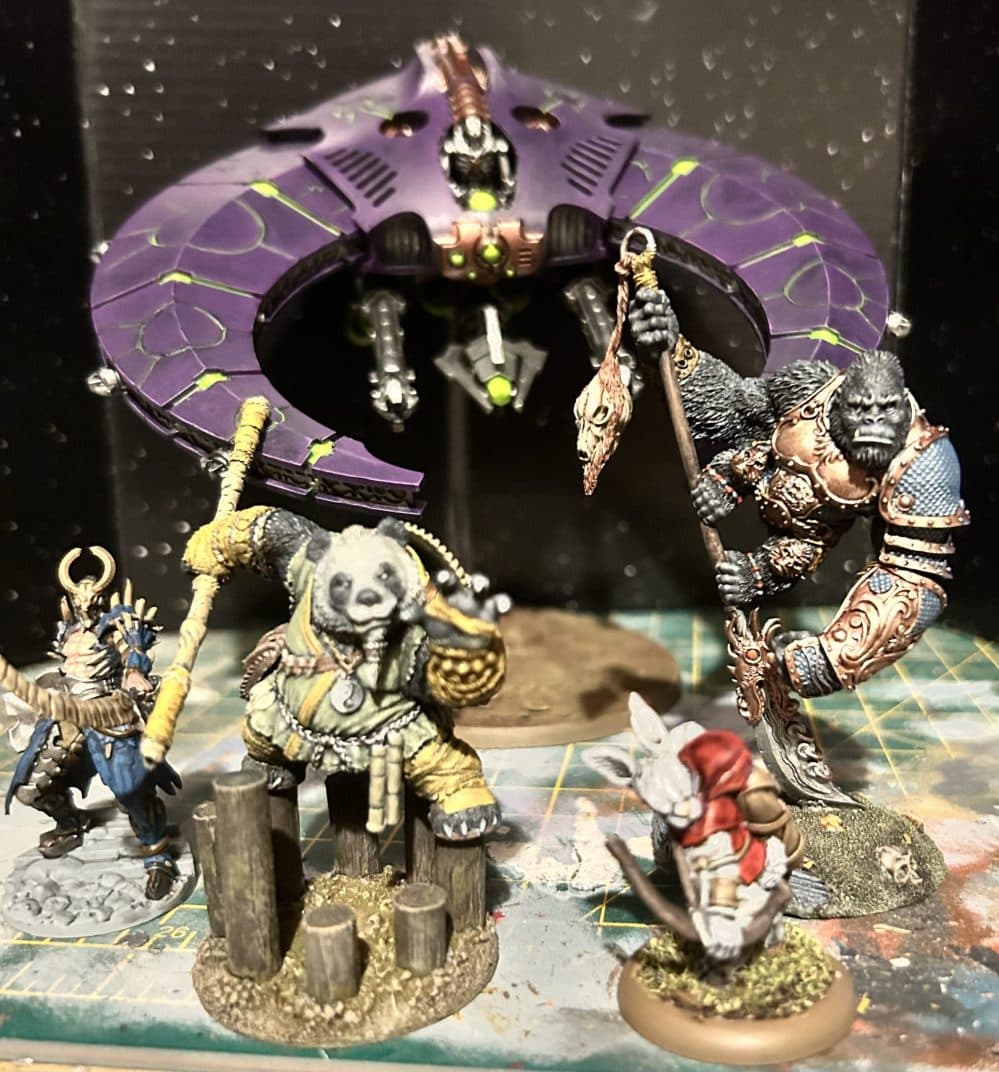
I hit the six-month mark in my miniature painting project and it’s been a slow week, with a handful of finishes, a repair job, and serious motivation questions. The pieces are tabletop-ready even if they are not my best work, and the week’s problems and fixes are the kind of shop talk that matters at the bench.
First up is a Kingdom Death: Monster figure that stands out for being fully clothed — an unusual choice in that line — and finished to tabletop standard. It’s a reminder that even smaller or atypical sculpts can be quick wins when you focus on contrast, clean lines, and a limited palette. Next, I completed Apocalypse for MCP after a redo. The first attempt ran into unforgivable mould lines discovered when I was about 80 percent through painting. Rather than trying to hide them, I stripped back and repainted the piece, and the second pass landed me a serviceable finish for play.
I also tackled a repair: a miniature that had been dropped by a Cosmic Ghost Rider some time in the last 22 months came back to life. The break was dealt with using standard bench techniques and patience, and the recovered model now sits on the shelf with the others. These small restorations are often the most satisfying, and they keep costs and kit counts down.
All of this matters because the community lives with these same friction points: mould lines discovered late, motivation dips, and the occasional smash on a hard floor. If your end result doesn’t match the vision, a tabletop standard finish can still deliver on game nights. If you encounter major mould lines partway through, reassessing and restarting can be faster than wrestling a compromised finish. And when minis get broken, simple repairs can return them to service without expensive replacements.
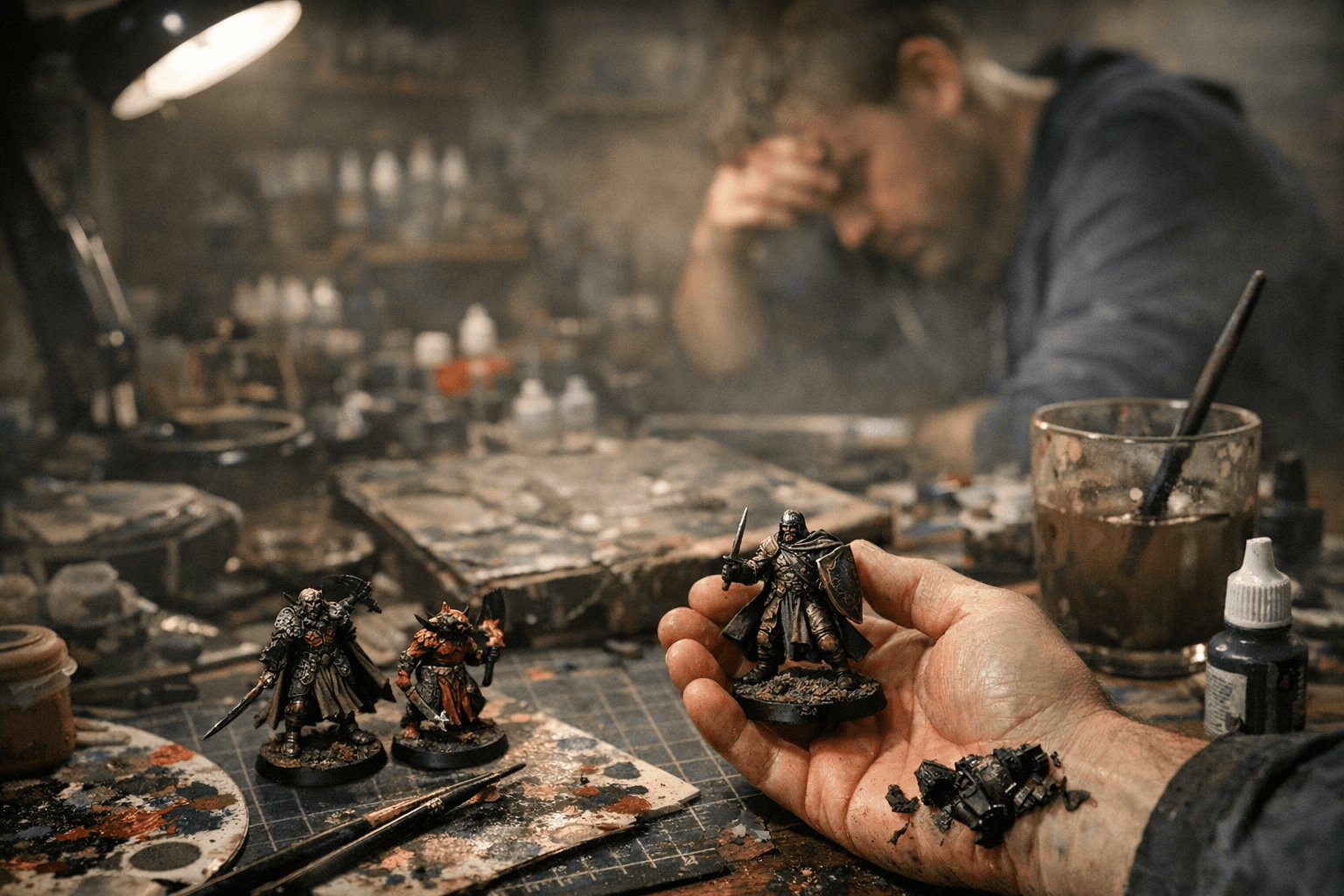
I’m candid about considering a couple of weeks off painting because I’m not enjoying my end results right now. Taking a break is a legit tool in the toolbox, not a failure. Step back, clear the bench, and return with plans for small, focused sessions or a single technique study to rebuild momentum.
For other painters, the takeaway is practical: aim for finishes that satisfy you for their intended use, don’t be afraid to redo a model that’s gone wrong, and keep a repair kit handy. I’ll see how the next few weeks go; either I recharge with a break or I come back to the brush with a shorter list and a clearer plan.
Sources:
Know something we missed? Have a correction or additional information?
Submit a Tip