Sleep headphones gain traction as insomnia drives audio-based remedies
Sleep headphones are filling a real gap for people who need audio at night, but the best use case is narrow, and cheaper sleep fixes still matter more.

Sleep headphones are getting attention because they solve a very specific annoyance: you want audio in bed, but you do not want earbuds digging into your ears or sound spilling across the room. That niche is larger than it looks, because sleep problems are widespread in the United States, and the market has started to reflect that demand with products built for private audio, noise masking, and softer nighttime listening.
Why the demand is real
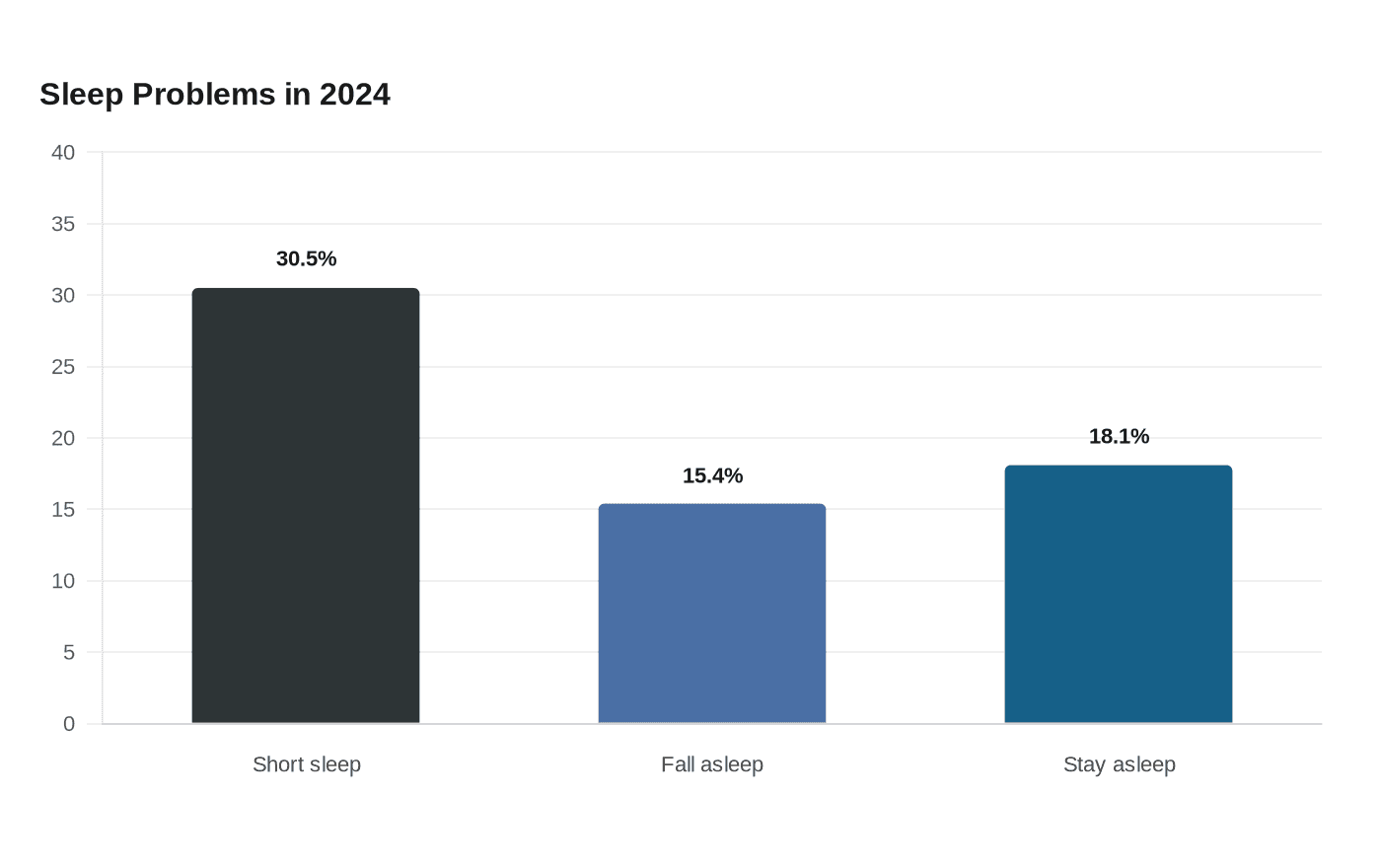
The appeal starts with the numbers. The Centers for Disease Control and Prevention says adults need at least 7 hours of sleep each day, yet in 2024, 30.5% of U.S. adults reported short sleep duration, meaning less than 7 hours on average in a 24-hour period. In the same year, 15.4% reported trouble falling asleep and 18.1% reported trouble staying asleep. The CDC treats insufficient sleep as a public health concern in the United States, and that framing matters because sleep loss is not just a personal inconvenience, it affects safety, work performance, and daily functioning.
That is where audio-based remedies enter the picture. Many people who struggle to quiet an overactive mind turn to podcasts, rain sounds, or low-key video compilations as a sleep cue. Sleep headphones and sleep earbuds promise a cleaner version of that habit: sound you can keep to yourself without disturbing a partner, roommate, or anyone else nearby.
What sleep headphones actually offer
Sleep-related consumer tech has expanded well beyond standard earbuds. Expert guides from Sleep Foundation and The Verge now routinely include sleep headphones, sleep earbuds, and wearables in the same conversation, which shows how quickly the category has matured. These products are marketed for two basic jobs: blocking external noise and delivering private audio in bed.
That said, the category is best understood as a comfort tool, not a cure. Sleep headphones may help if your main obstacle is environmental noise, shared sleeping space, or the desire for a familiar audio routine. They are less convincing if the real issue is untreated insomnia, pain, anxiety, sleep apnea, or another medical problem that needs a different intervention.
Where they fit in the insomnia picture
Insomnia is generally considered chronic when symptoms happen at least 3 nights a week for 3 months or longer. The National Heart, Lung, and Blood Institute says insomnia may be diagnosed when a person has difficulty falling asleep or staying asleep at least 3 nights a week, and chronic insomnia lasts more than 3 months and cannot be fully explained by another health problem. That standard is important because it separates occasional restlessness from a persistent condition that deserves more than a gadget solution.
For someone who mainly needs background sound to settle down, sleep headphones can be practical. For someone meeting the chronic-insomnia threshold, they may be one small part of a broader plan, not the central fix. The distinction matters because consumer sleep tech often sells relief through anecdote, while chronic insomnia usually requires a more disciplined approach to diagnosis and treatment.
Who is most likely to benefit
Sleep headphones make the most sense for people who already rely on sound to fall asleep and need a more civilized way to do it. They can be especially useful in shared bedrooms, on trips, in thin-walled apartments, or any setting where playing audio out loud is not realistic. They also help when standard earbuds are too bulky, too hard, or too easy to pop out overnight.
They are less useful if you dislike audio while sleeping, if pressure around the head bothers you, or if you need complete silence rather than masking sound. The best-case user is not someone looking for a miracle. It is someone trying to preserve a routine that already works, just without the discomfort or social friction of regular headphones.
The price tag can be a warning sign
The economics of the category also deserve scrutiny. Sleep Foundation notes that high-end sleep headphones can cost more than $250, while budget-friendly options can come in under $100. That is a wide spread for a product whose benefit is highly personal and not guaranteed.
A premium price does not automatically mean better sleep. In many cases, the extra cost buys softer materials, thinner drivers, or better integration with masks and headbands, but the core question is whether the product improves actual sleep enough to justify the expense. For a niche accessory, that is a high bar. If your goal is simply to hear a podcast softly at night, a cheaper option may be enough. If your sleep problem is more complex, even the most expensive model may miss the point.
How to think about sleep headphones versus simpler fixes
Before paying for sleep headphones, it helps to compare them with lower-cost or clinically recommended options.
- White noise or fan sound can mask environmental noise without anything on your head.
- Sleep hygiene basics still matter: consistent sleep schedules, limiting late caffeine, and reducing stimulating screen use before bed.
- CBT for insomnia is the clinical gold standard for chronic insomnia and addresses the habits and thoughts that keep sleep problems going.
- Medical evaluation is important if you have chronic trouble sleeping, since insomnia can overlap with other health conditions.
Sleep headphones can complement these approaches, but they should not replace them when symptoms are persistent. The most rational use is as a convenience layer for people who want audio at night without earbuds, not as a universal remedy for insomnia.
The bottom line
Sleep headphones have traction because they solve a real, narrow problem: private nighttime audio in a shared or sensitive environment. The market’s growth makes sense in a country where millions of adults fall short of the CDC’s 7-hour standard, and where trouble falling or staying asleep is common enough to keep sleep health on the public agenda. But the category works best as a comfort product, not a cure, and that is the lens that keeps the hype in check.
This article was produced by Prism’s automated news system from verified source data, official records, and press releases, then run through automated quality and moderation checks before publishing. The system is built and supervised by the people who set the standards it runs under. Read our full AI policy.
Know something we missed? Have a correction or additional information?
Submit a Tip