Small earthquake swarms detected beneath Halemaʻumaʻu crater; HVO monitoring
Three small quake swarms under Halemaʻumaʻu were recorded Jan. 13 to 14, 2026; HVO says they reflect shallow magma-chamber cracking and will monitor for changes.
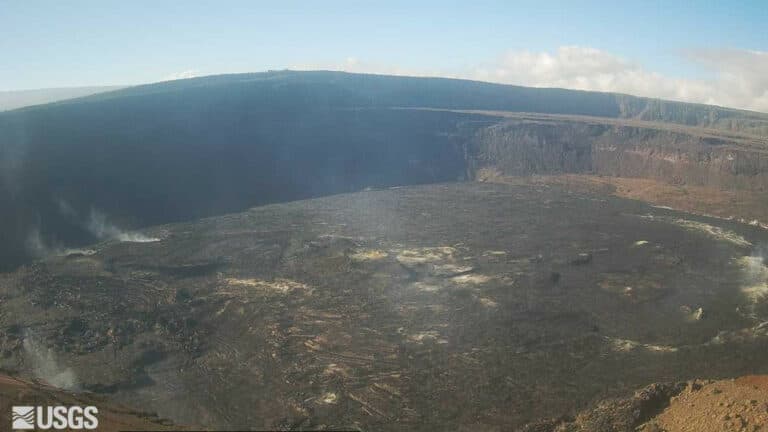
Following Episode 40, the Hawaiian Volcano Observatory reported three small earthquake swarms beneath Halemaʻumaʻu crater between Jan. 13 and 14, 2026. The activity was concentrated roughly 1 to 2.5 miles (about 1.5 to 4 kilometers) beneath the surface around the shallow Halemaʻumaʻu magma chamber and was dominated by volcano-tectonic events.
The quakes were mostly magnitude 1 or smaller, with none exceeding magnitude 2, indicating minor fracturing of rock at shallow depths rather than large-scale fault movement. HVO characterized the swarms as reflecting shallow cracking associated with magmatic pressure and emphasized that it is not yet known whether the pulses of seismicity will shift magma or change eruptive behavior. Historically, similar swarms have on occasion preceded dike intrusion or the opening of new vents, but those outcomes are not inevitable.
All detected activity has remained within the summit caldera. That localization reduces immediate risk to most populated areas of the island, since the seismicity occurred beneath the central Halemaʻumaʻu area rather than under coastal communities. Because the events were small, most residents and visitors away from the summit likely did not feel them. HVO continues close monitoring of seismic, deformation, and gas signals to watch for any signs that magma is migrating toward the surface or laterally away from the summit.
For Big Island County, the significance lies in vigilance rather than immediate disruption. Summit-area operations, park access, and visitor safety protocols are typically guided by real-time HVO assessments; any substantive change in seismic patterns, ground deformation, or gas emissions could prompt advisories or closures. Residents in nearby communities should pay attention to official county and HVO channels for alerts, especially if seismicity shifts or other anomalous signs appear.
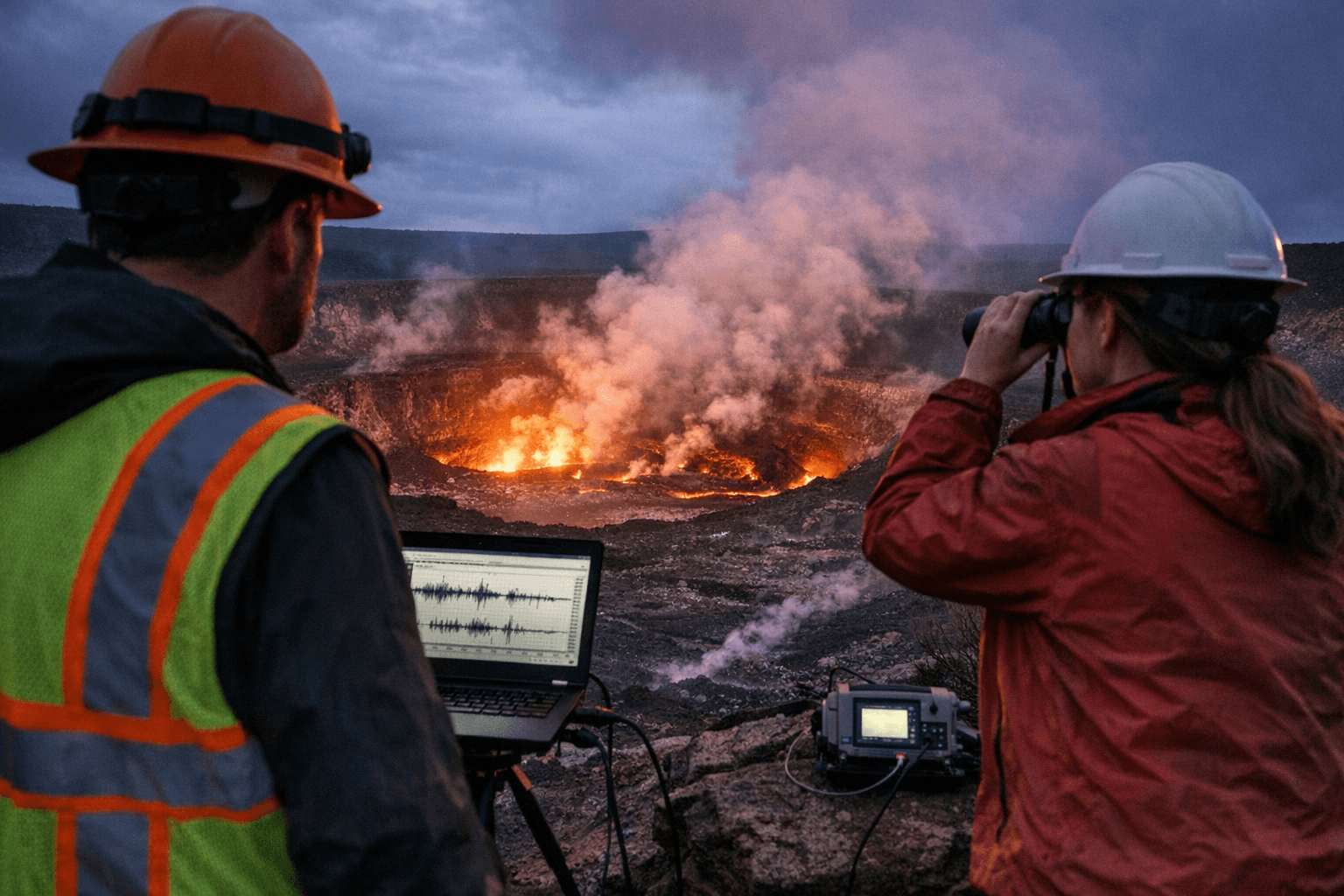
The recent swarms underscore Kīlauea’s active state and the dynamic nature of the landscape around Halemaʻumaʻu. Scientists will be watching whether the shallow cracking evolves into deeper or more sustained magma movement. For now, the activity represents a localized uptick in summit seismicity that warrants monitoring but has not produced evidence of an immediate change in eruptive behavior.
What comes next is careful observation: HVO will update its assessments as new data arrive, and county officials will relay any public-safety guidance. For readers, staying tuned to official updates and respecting closures around the summit will be the most practical steps as scientists determine whether these swarms are a brief adjustment or an early signal of larger change.
Sources:
Know something we missed? Have a correction or additional information?
Submit a Tip