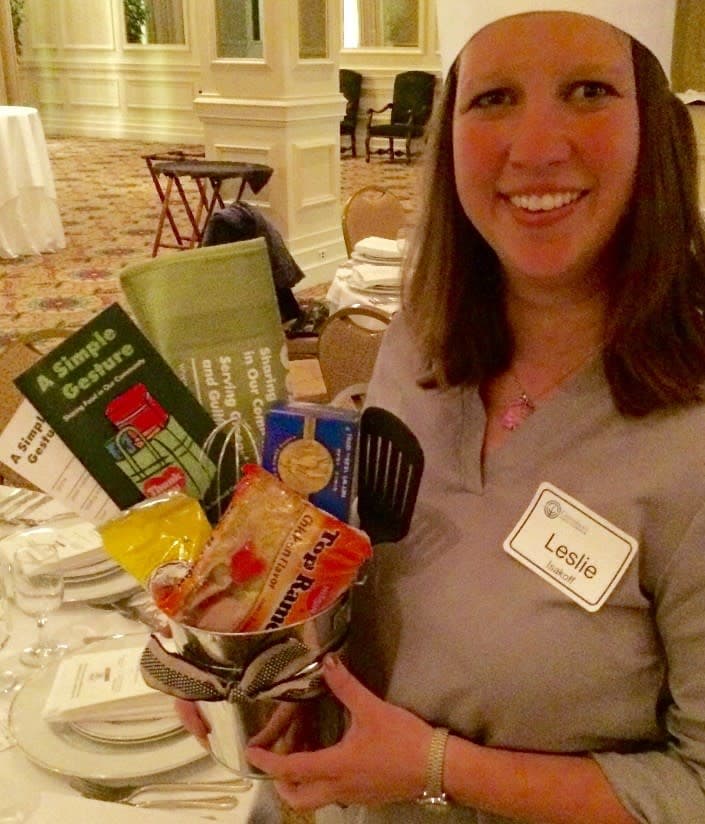
Small nonprofits like A Simple Gesture adopt total-rewards to boost retention
Small, mission-driven groups like A Simple Gesture are turning to a total‑rewards framework — pay, benefits, culture and recognition — to keep drivers and program coordinators from burning out and leaving.
Small chapters that run A Simple Gesture programs face the same retention pinch that haunts many mission-driven nonprofits: front-line roles such as drivers and program coordinators are hard to hire and even harder to keep. An emerging fix is to treat compensation as more than a salary line item and adopt a total‑rewards approach that combines pay, benefits, workplace culture, recognition and practical workplace supports to improve retention without breaking already thin budgets.
What total rewards means for small nonprofits Total rewards reframes how organizations think about compensation. Rather than treating pay as the sole lever, the model recognizes pay alongside benefits, workplace culture, career development and recognition as components that together create value for employees. Astronsolutions puts it plainly: "The total rewards concept of compensation is useful because, while it’s certainly true that pay is a top motivating factor for any job, we tend to undervalue other, more intangible elements." For lean-budget organizations, that shift allows creative trade-offs and investments that can be implemented incrementally.
Why now: external shocks and internal pressure Nonprofithr’s analysis dated April 15, 2025 captures the urgency: "In today’s climate of uncertainty — from executive orders, economic shifts due to tariffs, labor market changes, global events — nonprofits are finding themselves balancing an increased demand for services with potentially limited resources." That context pushes HR leaders to make "strategic, data‑informed decisions" that protect sustainability and staff well‑being. Their firm surveyed more than 350 organizations and found that 72% regularly remind employees about the benefits and policies available to them during critical times — a small, low-cost action that signals stability and inclusion.
A practical four‑step playbook you can follow now Alysterling lays out an operational sequence that small nonprofits can adapt. Use the following sequence as your roadmap:
1. Gauge your current total rewards status.
- Start with your nonprofit’s policy book as your "best resource." Review what you already offer—from stipends and PTO to training and recognition—and create a baseline so you know what to grow.
2. Collect employee feedback.
- Solicit staff suggestions only after establishing your baseline. Encourage employees to propose programs they actually want, and ask them to "explain their rationale" so leadership understands priorities and trade-offs. Follow up on questions to ensure clarity and buy‑in.
3. Review suggestions with leadership and respond to feedback.
- Leadership should assess feasibility, pick a realistic slate of changes, then return the shortlist to employees for a vote on favorites. Make decisions transparent: explain why recommendations were accepted or rejected to boost trust.
4. Roll out the changes.
- Document new items in the employee handbook and workplace policy book. Whether adding a new employee gift program or "adding extra paid time off," time the rollout to match financial planning and keep staff informed so they know "when new rewards will be available."
Alysterling underscores that "Implementing a Total Rewards strategy is more than just changing your employees’ compensation—it means a change in your entire workplace culture." Pairing the rollout with employee recognition programs helps the culture shift stick and, the firm argues, "ultimately, this leads to a greater employee retention rate."
Concrete, low‑cost tactics that move the needle If budgets are tight, there are pragmatic moves that still expand perceived value for staff:
- Regular reminders of benefits and policies to increase predictability — a practice already used by many organizations and backed by Nonprofithr’s survey findings.
- Flexible scheduling and predictable routes for drivers to reduce daily burnout costs, and small travel or meal stipends tied to shifts.
- Public recognition programs and low‑cost appreciation gifts that Alysterling cites as examples of feasible rollouts.
- Training stipends or clear internal promotion pathways that signal long‑term investment without large ongoing expense.
Use donor engagement to underpin rewards investments Nonprofithub’s donor-retention guidance has crossover value: by tracking donor interactions, offering multiple ways to engage, and prioritizing personalized, low‑cost touchpoints, small organizations can strengthen predictable support without overburdening staff. As their blunt admonition puts it: "Too often, donors feel a little bit like an ATM. And your donors are not ATMs!" More thoughtful donor stewardship can reduce fundraising churn, free staff time, and make modest benefits expansions financially feasible.
When to hire outside help Astronsolutions recommends bringing in consultants who center their work on a total‑rewards understanding of nonprofit compensation: "Remember that any consultant you consider should ideally focus their services around a total rewards understanding of nonprofit compensation." For organizations without HR specialists, a short-term consultant can help design equitable pay bands, craft handbook language for new rewards, and translate employee feedback into implementable policy while keeping costs bounded.
Keeping equity and communication front and center Nonprofithr prescribes two practices worth continuing even in crises: "Keeping Equity at the Center" and "Maintaining Open Communication." Regular pay‑equity reviews and frequent, candid updates about benefits and constraints are low-cost investments that preserve trust. Their April 15, 2025 guidance also recommends trimming programs that no longer add value — a reminder that total rewards is as much about strategic subtraction as addition.
What to verify before you act (data gaps to fill) The playbook is practical but not plug‑and‑play: several key gaps need local answers. The original note referencing A Simple Gesture lists front‑line roles as "drivers, program coordin…" with the phrase truncated—confirm whether "program coordinators" and which other roles are priorities for your chapter. None of the sources provide hard dollar costs or measurable retention ROI tied to specific rewards; you should collect cost estimates, budget scenarios, and—if possible—before/after retention data for any pilot. Also confirm legal requirements for PTO or stipend programs in your state and, if you cite Nonprofithr’s survey more broadly, ask for sample methodology to understand the 350+ organization universe behind the 72% figure.
- Pull your policy book and itemize existing rewards and eligibility rules.
- Run a short employee survey asking staff to list top three non-pay benefits they value and why.
- Hold a leadership feasibility meeting to cost out the top two staff proposals and produce a one‑page recommendation.
- Communicate the recommendation, rationale, and rollout timeline; document changes in your handbook.
Operational checklist for chapter leaders
A final note for A Simple Gesture chapters and similar groups Total rewards is not a cosmetic add‑on; it's a reframing that makes trade-offs explicit and channels scarce resources toward what staff actually need. For small nonprofits balancing driver schedules, volunteer overlap and mission demand, the approach offers a way to protect both service continuity and people. Done deliberately—grounded in your policy book, informed by staff, tested with leadership, and communicated transparently—total rewards can be the cultural and operational shift that stabilizes tenure for front‑line roles and keeps chapters running reliably for the communities they serve.
Know something we missed? Have a correction or additional information?
Submit a Tip