SoftBank races to deliver $22.5 billion to OpenAI, scrambling for liquidity
SoftBank moved quickly this week to assemble a $22.5 billion funding commitment to OpenAI with a year end deadline, exploring asset sales and loans against its Arm stake to meet the obligation. The effort underscores the gap between rising paper valuations in the AI boom and the real world liquidity needed to fund colossal infrastructure and strategic bets.
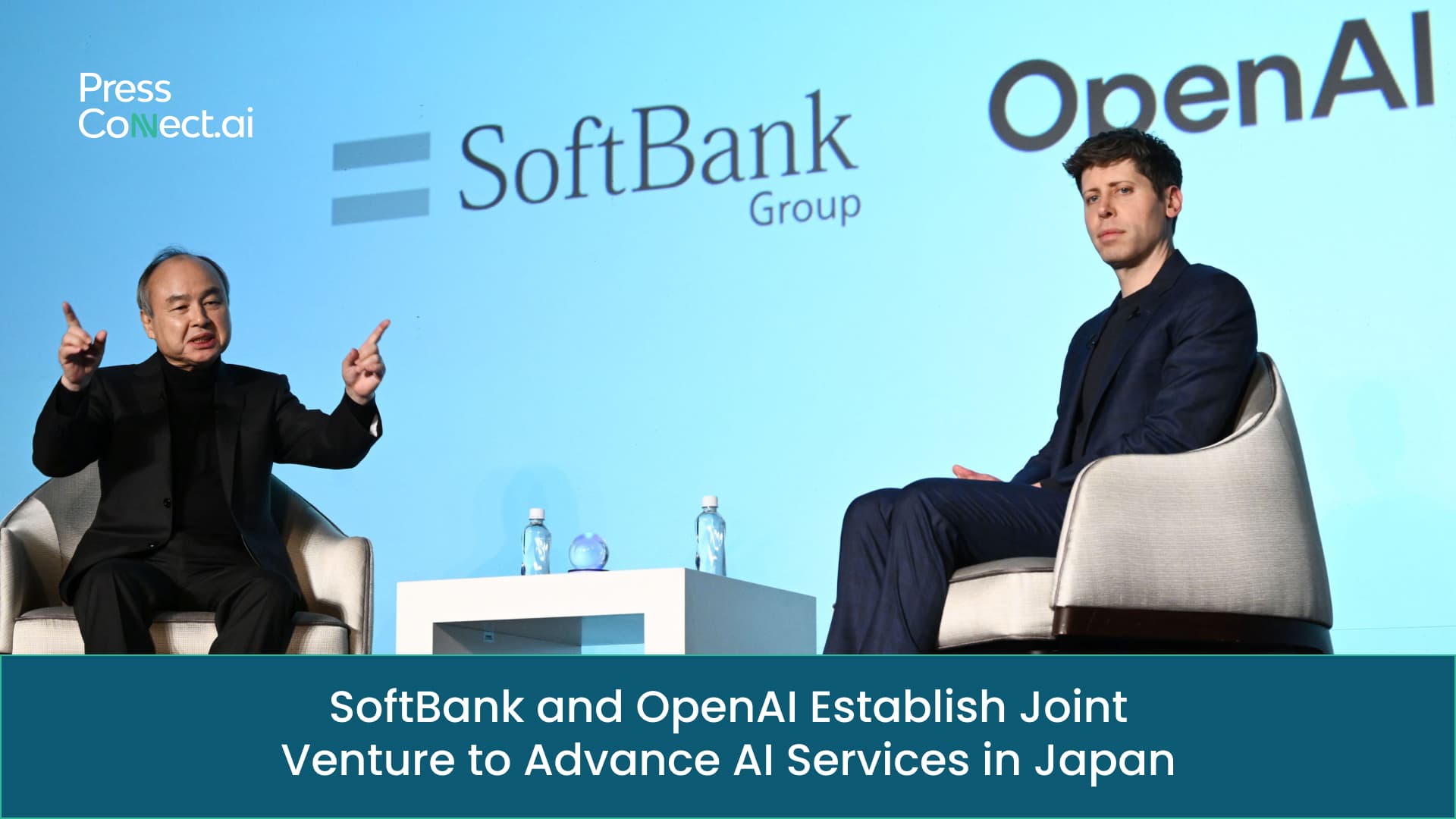
Multiple people familiar with the matter said SoftBank Group Corp. was racing to raise $22.5 billion to fulfill a contractual commitment to OpenAI by the end of 2025. The company weighed a range of financing moves, including sales of investments and tapping undrawn margin loans secured against its ownership in Arm Holdings, as it sought to convert unrealized value into cash before the deadline.
Those close to the discussions said SoftBank has already sold major holdings this year as part of broader efforts to bolster liquidity. The urgency stemmed from a clause in the investment pact that calls for the remaining funding to arrive by the end of 2025, a timetable that has forced executives into a compressed window for asset moves and financing decisions.
SoftBank agreed in April to invest in OpenAI at an initial valuation reported at $300 billion. Since then the startup has been part of negotiations and transactions that could lift its valuation substantially. Some people familiar with the talks said scenarios under consideration could push OpenAI toward a valuation close to $900 billion. Such an outcome would translate into significant paper gains for existing investors, but those gains are not the same as cash on hand.
The difference between mark to market value and immediate liquidity has become a central tension for corporate investors in the artificial intelligence ecosystem. SoftBank’s investment in OpenAI contributed to a sharp bump in reported profits in its most recent quarter, with operating gains reported at 2.5 trillion yen, roughly $16.2 billion, driven in part by increases in the value of its AI related holdings. Nevertheless, converting those unrealized gains into money to meet contractual commitments requires deliberate sales, borrowing or other capital maneuvers.

Founder and chief executive Masayoshi Son has made no secret of his strategic aim, telling audiences in prior remarks, "I want SoftBank to lead the A.I. revolution." That ambition has pushed the conglomerate into large and interlocking commitments across the tech sector, from chipmakers to cloud infrastructure. Industry participants have described sprawling data center initiatives tied to large AI players, with one major initiative referred to as Stargate cited in reporting as a multihundred billion dollar effort to build training and inference campuses. At the same time chipmakers and cloud providers are committing tens of billions of dollars in arrangements that can create circular financial flows across the same set of companies.
The capital intensity of modern AI infrastructure has produced closely linked bets that can amplify both upside and stress. Companies including major chip designers and hyperscale cloud providers are negotiating purchases and investments that support each other, but also increase the consequences of any single partner failing to deliver cash when called upon.
SoftBank’s moves to generate liquidity will be closely watched by investors and by corporate partners, because they will shape not only the fate of the OpenAI commitment but also the broader financing pattern for AI projects this year end. How the conglomerate balances sales of prized assets against borrowing secured by Arm will signal whether the sector’s recent paper valuations can be translated into the real world funding required to build the next generation of AI capacity.
This article was produced by Prism’s automated news system from verified source data, official records, and press releases, then run through automated quality and moderation checks before publishing. The system is built and supervised by the people who set the standards it runs under. Read our full AI policy.
Did this article answer your question?