Somalia faces first famine risk since 2022 as supply shocks worsen
A fertilizer shipment has sat in Dubai for three months, and the delay is rippling into Somalia's food prices, failed harvests and hunger for millions.
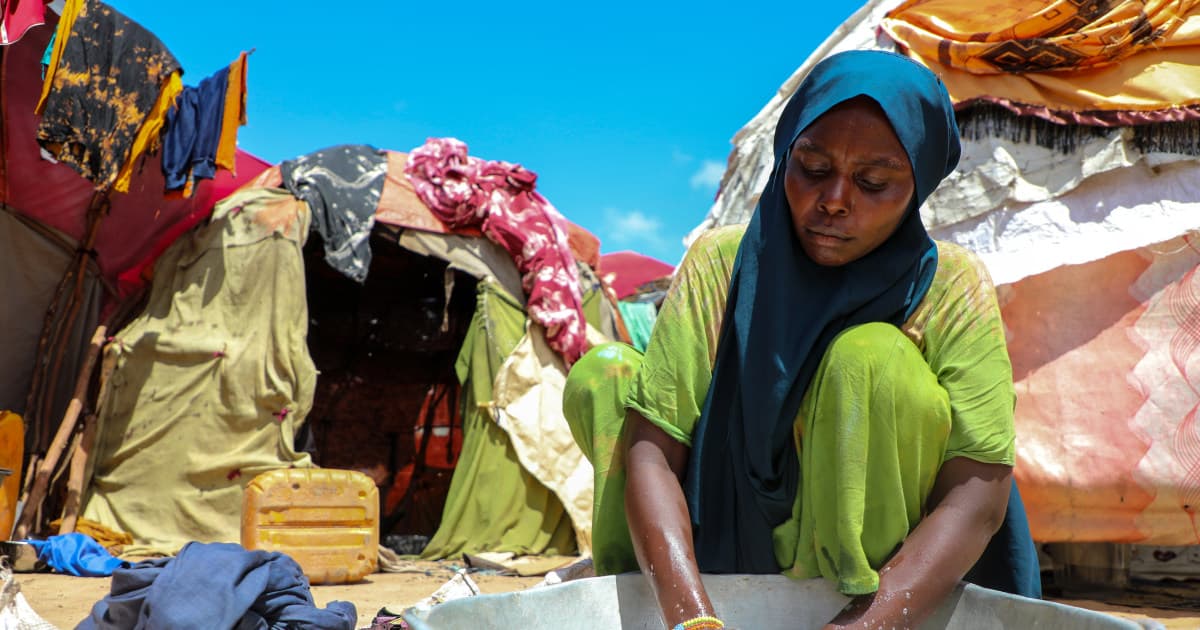
A fertilizer and pesticide order meant for Mustafe Denbil’s agricultural shop and farm in northern Somalia has sat in Dubai for three months, a small shipment stranded by a conflict far from his fields but close enough to choke the routes that keep Somali farms alive. For Denbil, the delay is not just a supply problem. It threatens the next harvest, which means less food in local markets, higher prices for families and a deeper slide toward hunger.
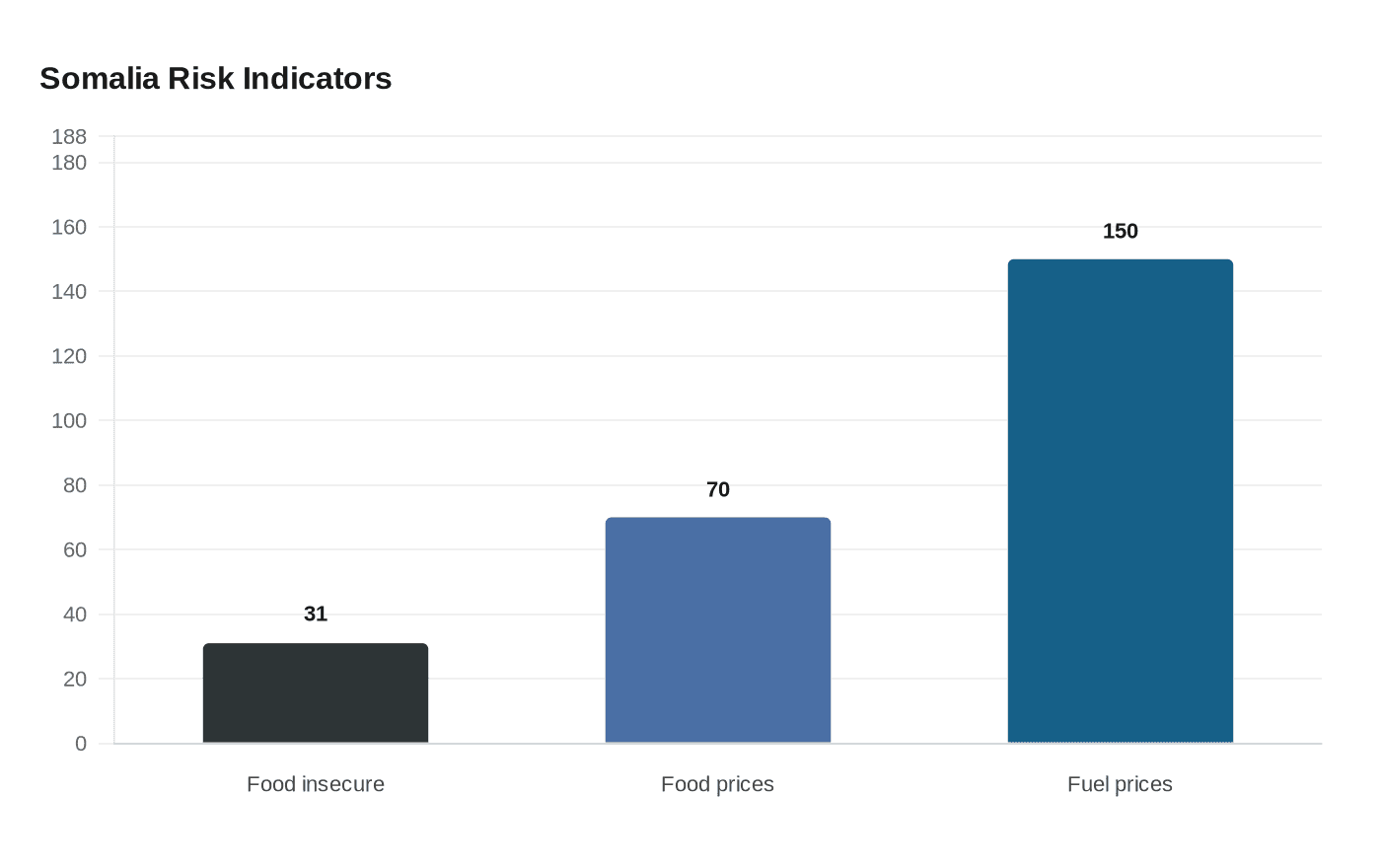
That one shipment reflects a wider squeeze across Somalia’s import-dependent economy. United Nations agencies say the country is facing its first famine risk since the 2022 crisis, when a far larger emergency was held back only by massive aid intervention. This time, about 6 million people, or 31 percent of the population, are projected to face crisis levels of food insecurity, classified as IPC Phase 3 or above, between April and June 2026. UN officials warn that nearly two million young children are acutely malnourished, and they say conditions are expected to stay severe through late 2026.
George Conway, the UN’s top aid official in Somalia, said the humanitarian situation is worsening faster than originally projected. The drivers are stacked on top of one another: drought, insecurity, extremely limited humanitarian assistance, and the ripple effects of the Middle East conflict and instability around the Strait of Hormuz, where shipping and commodity flows have been disrupted. The result is not abstract. It is showing up in the prices of food, fuel and farm inputs before a single harvest can be rescued.
The cost spike is already reaching households. World Food Programme-linked reporting says food prices have risen by as much as 70 percent in some parts of Somalia, while fuel prices have climbed 150 percent, making it more expensive to move aid and basic goods. Save the Children said fuel in Mogadishu jumped from $0.60 to $1.50 a litre in March, and some imported food items doubled in retail price within two weeks. When fuel becomes that expensive, the trucks that move grain, the boats that carry aid and the machinery that keeps farms running all become less reliable.
The World Food Programme said it is now rerouting stranded sea-bound shipments through overland routes in the United Arab Emirates, a sign of how far the disruption has spread beyond Somalia’s borders. For farmers like Denbil, the chain reaction has already reached the field: delayed fertilizer means weaker crops, weaker crops mean thinner markets, and thinner markets mean more families forced toward the edge of famine.
This article was produced by Prism’s automated news system from verified source data, official records, and press releases, then run through automated quality and moderation checks before publishing. The system is built and supervised by the people who set the standards it runs under. Read our full AI policy.
Did this article answer your question?