South Africa braces for anti-immigrant protests as migrants flee
Thousands of migrants were already leaving exposed neighborhoods as anti-immigrant rallies spread, fueled by joblessness, failing services and claims of state neglect.
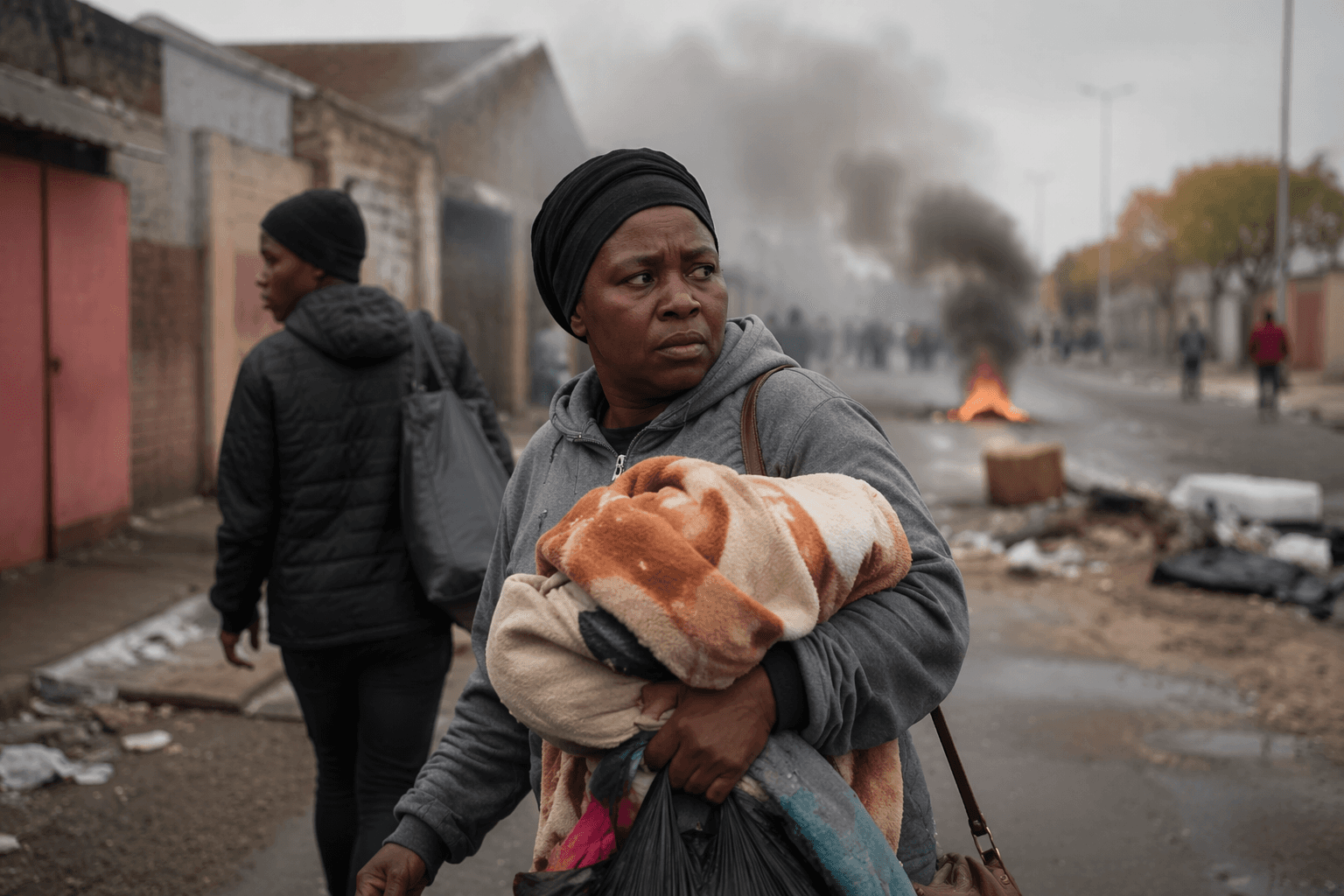
Organizers have told undocumented foreigners to leave South Africa by Tuesday, and thousands are already heading home or sheltering in camps as anti-immigrant rallies spread across the country. March and March says its network reaches KwaZulu-Natal, Limpopo, the Eastern Cape and Gauteng, raising fears that the protests could turn violent.
The movement’s anger has been built around claims that migrants are taking jobs, crowding schools and clinics, and worsening crime. Musa Hlongwa put that frustration into blunt words: “South Africans are tired of long hospital queues, crowded schools, job competition, and drugs,” a line that captures why the message has found such a receptive audience.
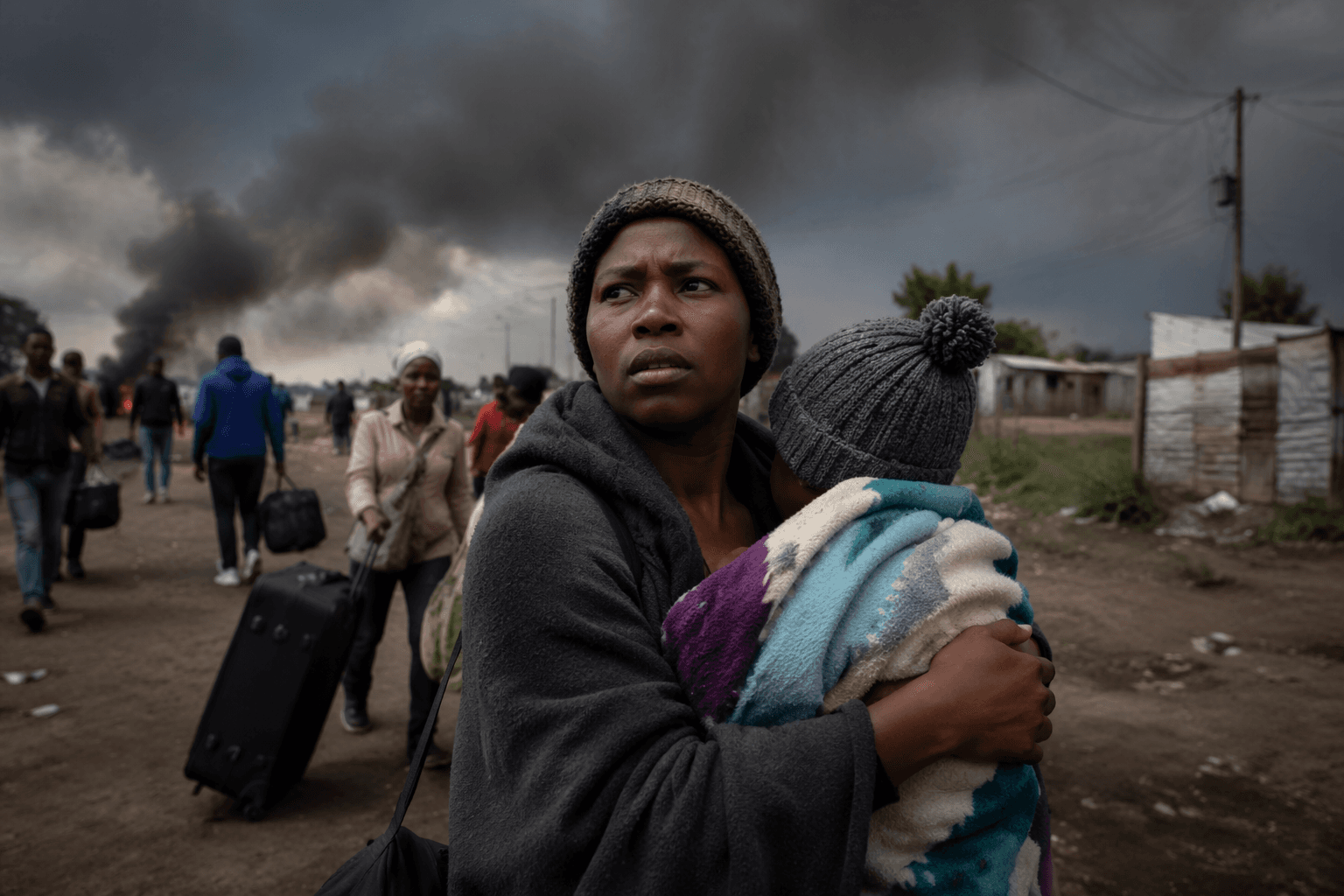
That anger has taken root in a country where unemployment remains punishingly high. Statistics South Africa’s Quarterly Labour Force Survey for the first quarter of 2026 put the official unemployment rate at 31.9%, and Human Rights Watch said deteriorating socioeconomic conditions have helped drive the rise of anti-immigrant activism and newer vigilante groups such as Operation Dudula and March and March. Those groups have not only staged rallies but also moved to bar foreign nationals from health care and education, turning social frustration into direct pressure on migrants’ daily lives.
Polling shows how deeply the backlash has settled in. In Afrobarometer’s January 2026 survey, 69% of South Africans said immigrants have a negative economic impact, and more than 80% said the government should reduce the number of foreign job seekers or eliminate such immigration altogether. Other surveys cited by researchers found only one in six adults would welcome all foreigners, while 42% would welcome none.
The scale of migration does not match the rhetoric of being overrun. Statistics South Africa estimated 3.1 million international migrants in 2023, about 4.1% of the population, and the government’s 2025 national labour migration white paper said South Africa hosted 3.1 million international migrants and was the largest host country in Africa in 2015. Campaigners dispute any precise count of undocumented arrivals, but the available figures do not show the mass influx described by activists.
The risk of violence is grounded in history. Human Rights Watch said xenophobic attacks have recurred since 2008, when 62 people were killed, with further waves in 2015, 2019 and 2021-2022. A South Gauteng High Court injunction in November 2025 barred Operation Dudula from blocking migrants from accessing health facilities, underscoring how the conflict has moved from protest slogans into clinics, schools and neighborhoods where foreign families are again preparing to run.
This article was produced by Prism’s automated news system from verified source data, official records, and press releases, then run through automated quality and moderation checks before publishing. The system is built and supervised by the people who set the standards it runs under. Read our full AI policy.
Know something we missed? Have a correction or additional information?
Submit a Tip