South Africa launches $72 million rollout of HIV prevention drug
South Africa put R1.3 billion behind lenacapavir, starting at 360 clinics in six provinces as officials test whether new money can blunt HIV's grip.
South Africa has put R1.3 billion, about $72 million, behind lenacapavir, a twice-yearly injectable drug that officials say could alter the country’s fight against HIV if the rollout reaches the people most at risk.
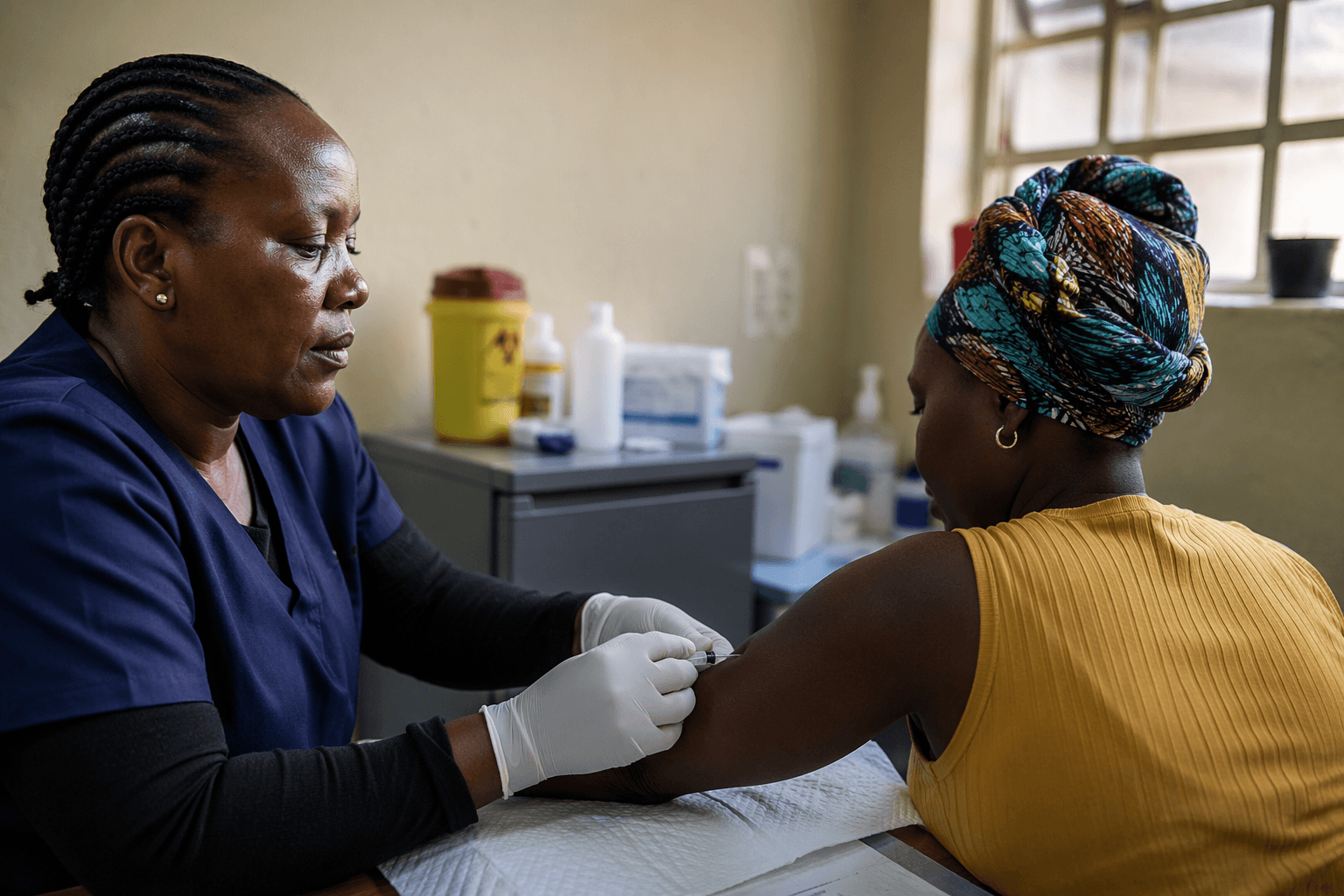
President Cyril Ramaphosa and Health Minister Aaron Motsoaledi launched the program at Lilian Ngoyi Stadium in Secunda, Mpumalanga, with the first phase set for 360 public health facilities across six provinces and 24 high-burden districts. The government wants to reach about 1 million people by the end of 2027 and 3 million over the next three years, an ambitious target in a country that already carries the world’s largest HIV treatment burden.
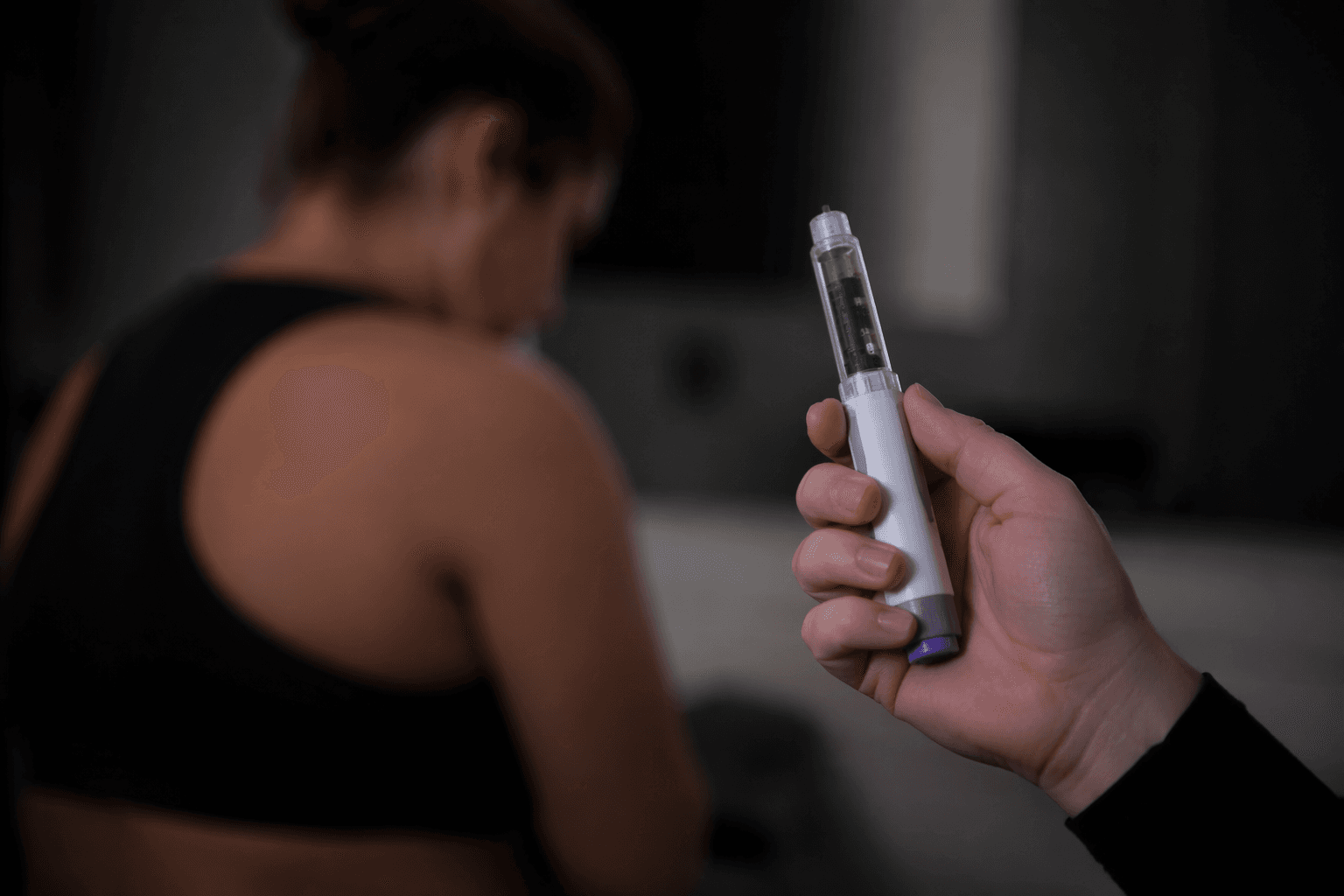
The first batch of 37,920 doses arrived in April 2026. Lenacapavir is not a vaccine, but health officials have described it as a breakthrough because it is administered only twice a year and, when used as directed, is almost 100% effective in preventing HIV. For South Africa, the policy challenge is no longer whether a promising prevention tool exists. It is whether the state can pay for, deliver and sustain it at scale.
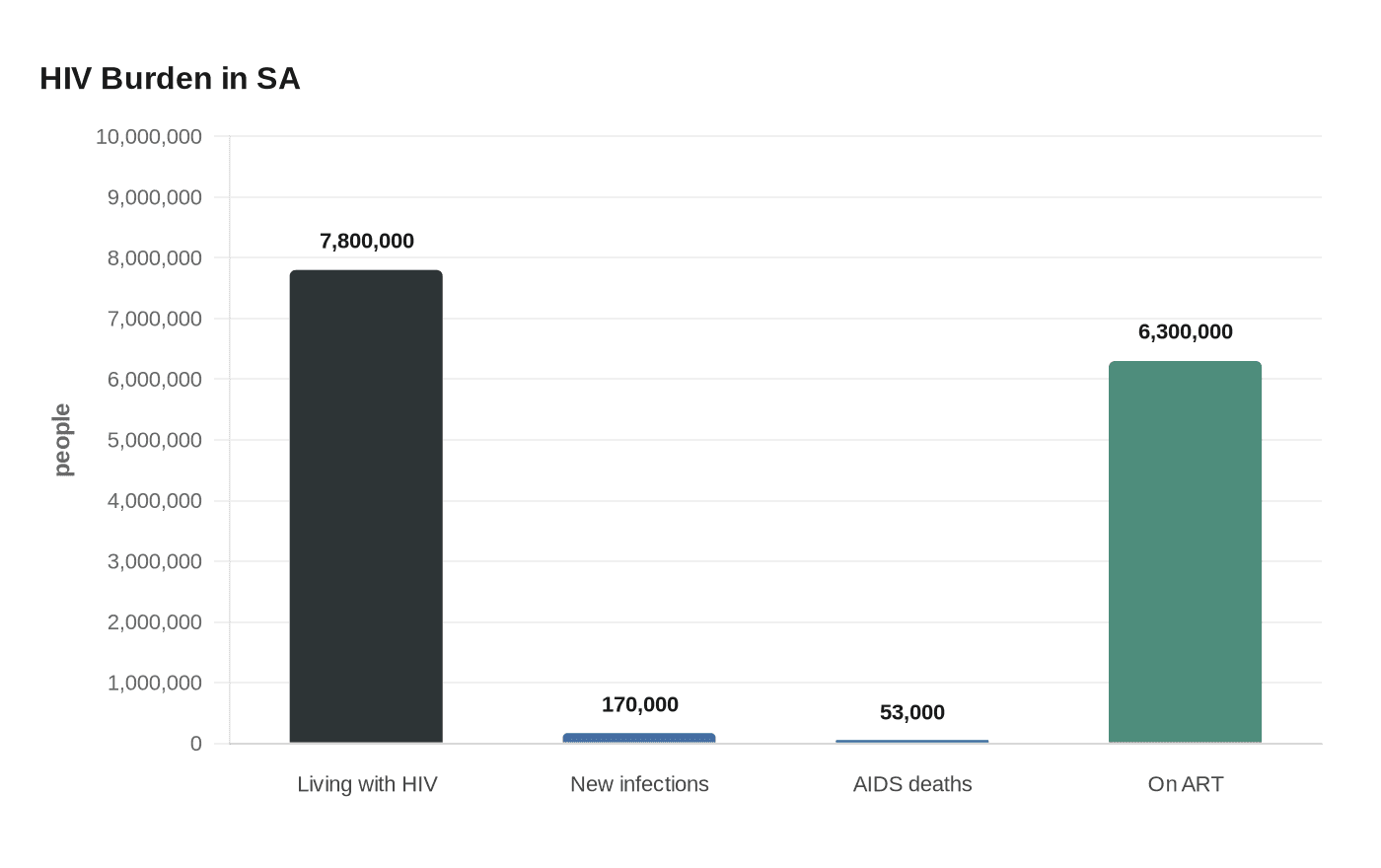
That question matters because the country’s HIV epidemic remains severe. UNAIDS estimated that 7.8 million people were living with HIV in South Africa in 2024, with 170,000 new infections and 53,000 AIDS-related deaths. The same estimate put 6.3 million people on antiretroviral therapy, evidence of a large treatment system that still has to keep adding new prevention capacity if it is to slow the epidemic further.
The rollout also comes under financial pressure. U.S. aid cuts have already disrupted community-based HIV programs and monitoring work in South Africa, raising concern about whether clinics and outreach workers will have enough support to identify eligible patients, track follow-up appointments and keep the prevention effort moving in high-incidence districts. UNAIDS has warned that some community organizations have been forced to shut down programs, just as prevention is again becoming the central test of the country’s response.
Ramaphosa called the launch a turning point in South Africa’s national story, and UNAIDS said the country had taken a decisive step toward stopping new infections. The real measure of that claim will be whether the money now pledged can build enough health-system capacity to turn a symbolic milestone into a durable shift in one of the world’s most entrenched public-health crises.
This article was produced by Prism’s automated news system from verified source data, official records, and press releases, then run through automated quality and moderation checks before publishing. The system is built and supervised by the people who set the standards it runs under. Read our full AI policy.
Know something we missed? Have a correction or additional information?
Submit a Tip