South African garment factories struggle as migrant workers flee protests
Migrant workers who left after anti-immigrant protests stripped 12% to 19% of staff from three Newcastle factories, raising fears of missed orders and closures.
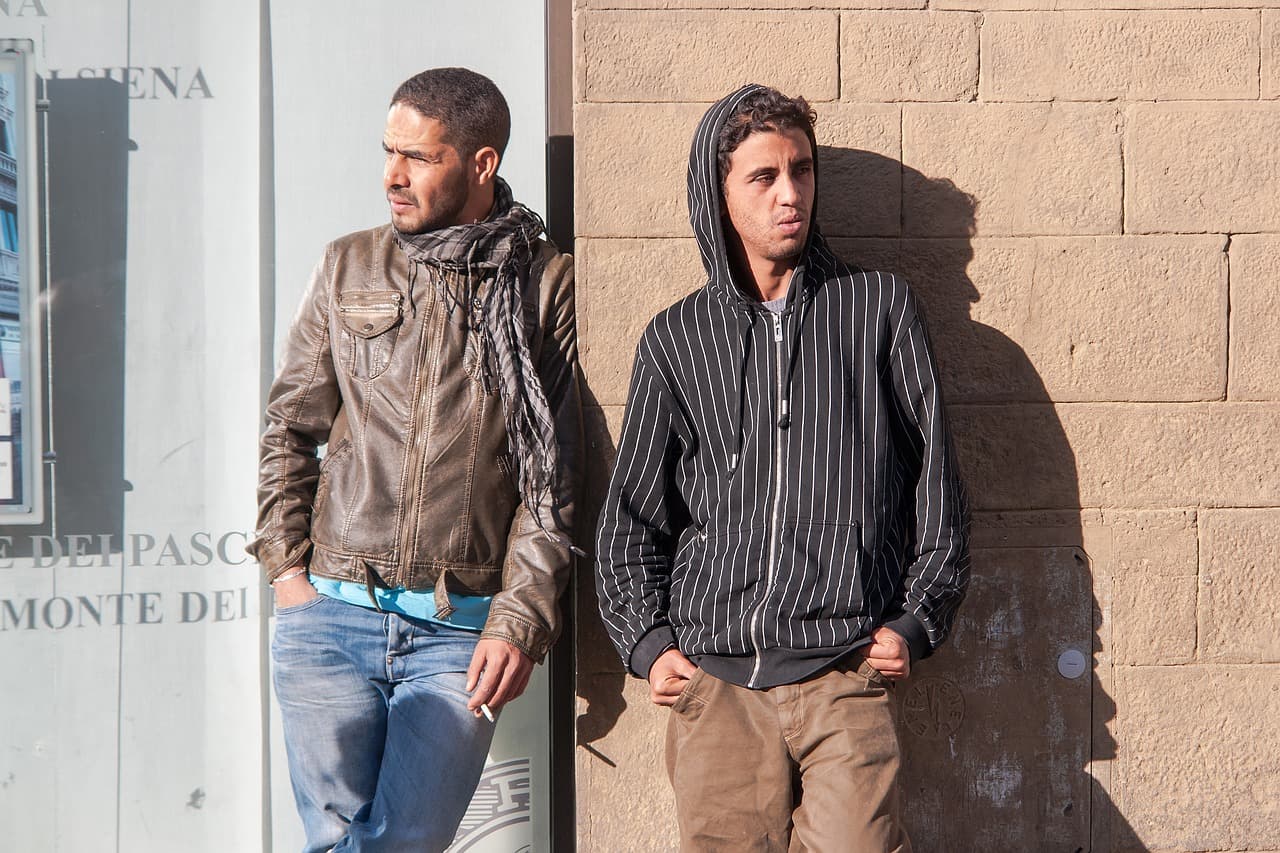
Garment factories in Newcastle, KwaZulu-Natal lost as much as 19% of their workforces after anti-immigrant protests pushed migrant workers out, and owners said the shortages could threaten business survival. Reuters visited three factories in late July and found managers scrambling to fill vacancies as production lines slowed.
The labor shock hit a sector that depends on fast, low-cost output. Workers are typically paid per piece completed, and only the most productive might earn South Africa’s national minimum wage of 30.23 rand, or $1.83, an hour. Factory owners said they could not afford to raise wages because retailers pay little for their garments, leaving little room to offset the losses with higher pay.
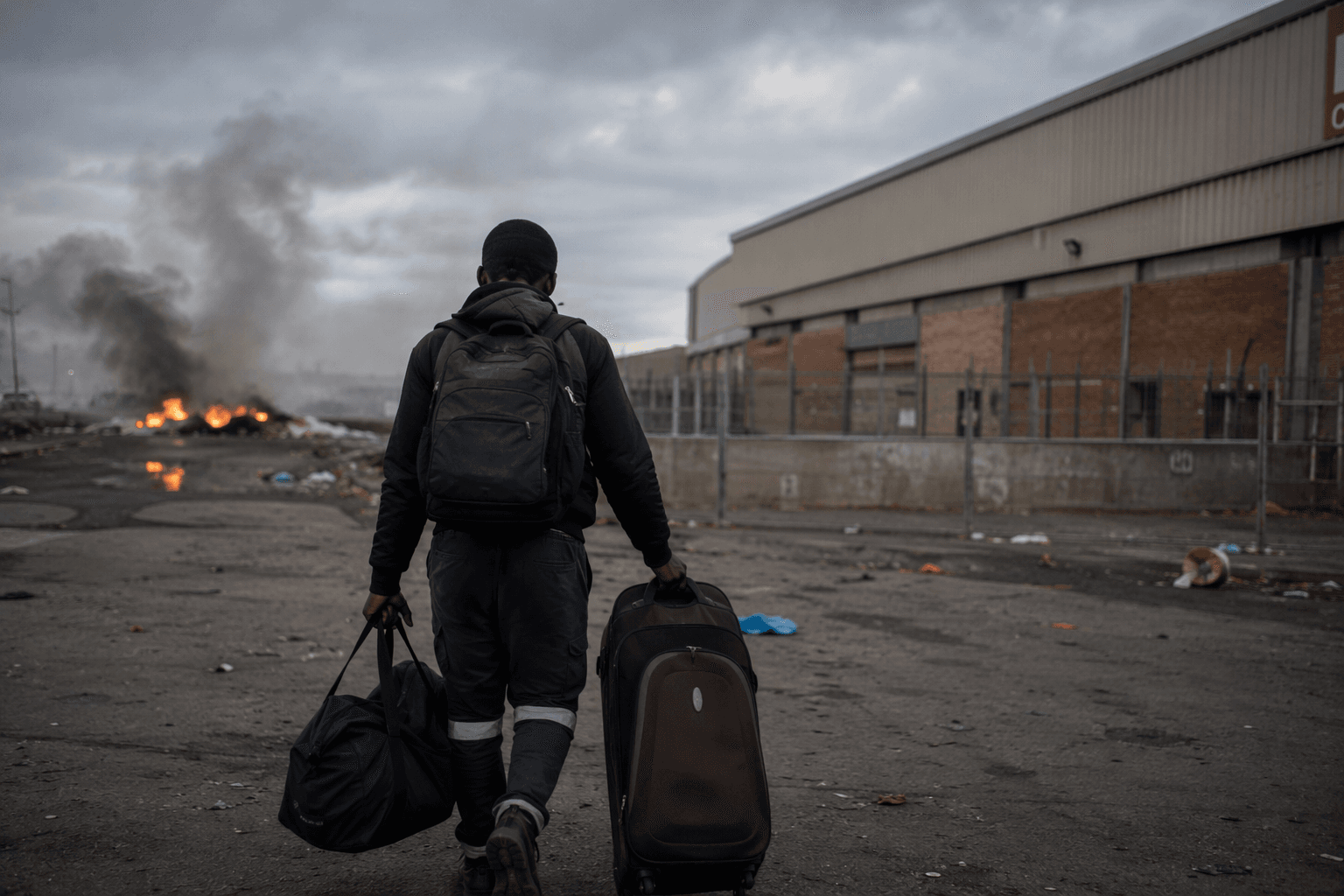
That squeeze matters because clothing manufacturing is built on thin margins and tight schedules. When 12% to 19% of a workforce disappears, even briefly, managers can fall behind on orders, delay shipments and risk contracts with retailers and foreign buyers. In Newcastle, the shortage of skilled garment workers has become more than a staffing problem: it is now a test of whether plants can keep operating at all.
The protests were not a one-off disturbance. On June 17, South Africa’s biggest labour unions urged workers not to take part in anti-immigrant demonstrations that had spread across the country. By June 30, protesters were telling undocumented migrants to leave, and some of those fleeing were leaving children behind. The clothing industry, which relies heavily on migrant labor moving across borders and regions in search of work, has been exposed as especially vulnerable to that pressure.
South Africa’s textile and garment sector has faced repeated tension over immigration enforcement. In Stanger, a major multi-department raid on a textile factory exposed the employment of more than 300 undocumented foreign nationals, underscoring how closely labor supply and immigration politics are intertwined in the industry.
For factory owners, the immediate risk is missed orders. For workers, the danger is deeper: a shrinking industry can reduce jobs for machinists, transporters, suppliers and the small businesses that depend on factory payrolls. In a market where retailers keep prices low, Newcastle’s labor losses have revealed how quickly a politically charged labor shock can ripple through South Africa’s industrial base.
This article was produced by Prism’s automated news system from verified source data, official records, and press releases, then run through automated quality and moderation checks before publishing. The system is built and supervised by the people who set the standards it runs under. Read our full AI policy.
Did this article answer your question?