South Korea election commission investigates ballot shortages after protests erupt in Seoul
Ballot shortages in Seoul left voters waiting hours, sparked protests, and pushed South Korea’s election watchdog into an investigation as trust in the vote came under strain.

Ballot-paper shortages in Seoul turned South Korea’s local elections into a test of election credibility, with voters in one of the country’s most closely watched districts waiting for hours, protesters accusing officials of rigging, and the national election commission promising an investigation.
The National Election Commission said 14 polling stations were still short of ballot papers as of 6:30 p.m. on June 3, even after polls were scheduled to close at 6 p.m. Twelve of those stations were in Songpa District, one was in Gangnam District and one was in Gwangjin District. In several locations, officials extended voting so people already in line could still cast ballots after the deadline.
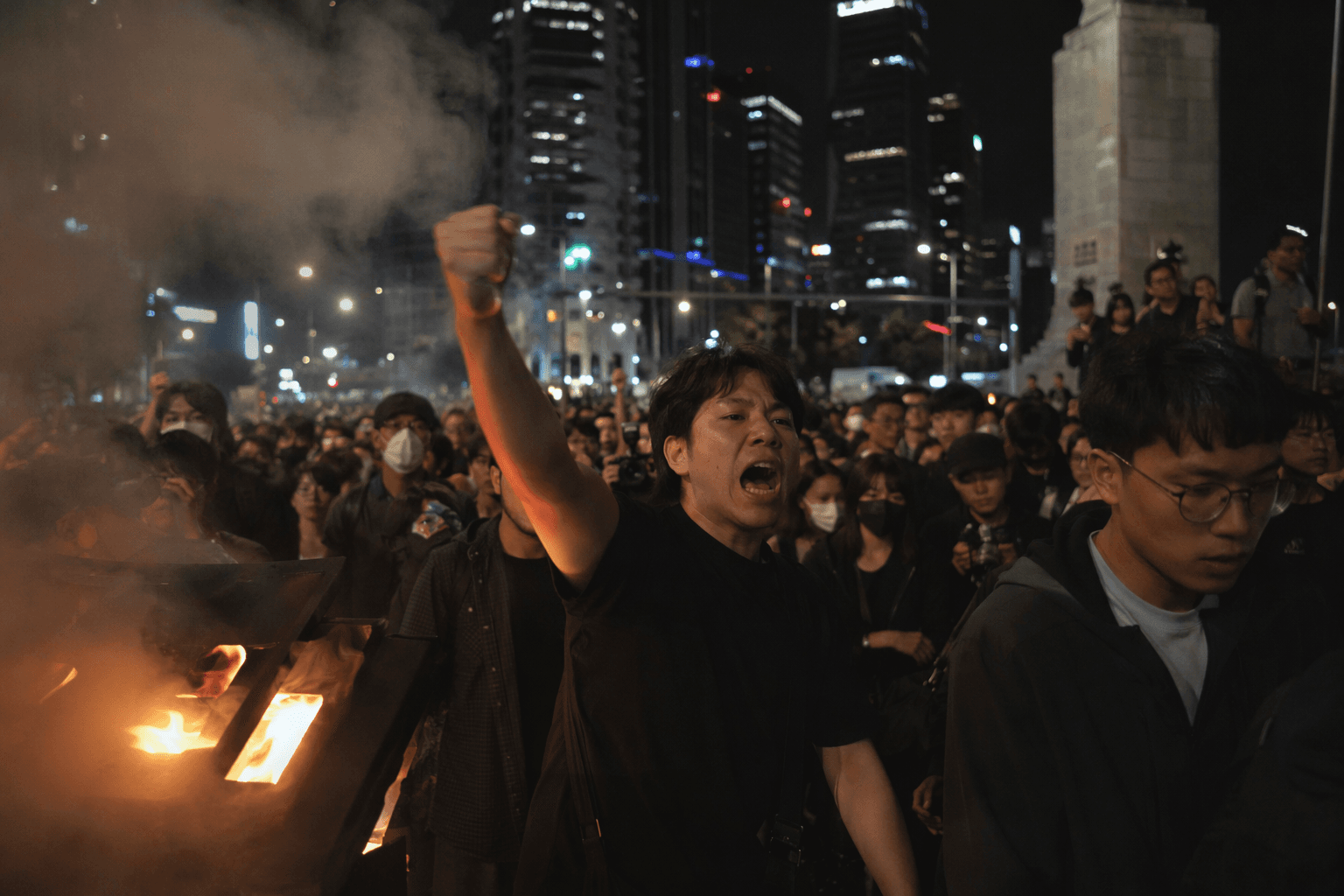
The sharpest anger came in Songpa, where resident Yoomi Lee said she had to wait close to three hours before 50 ballot sheets arrived. She said hundreds of people were “very, very angry.” In Jamsil, protesters who identified themselves as far-right supporters tried to stop an election official from leaving a polling station, waving banners that accused the process of being rigged. Some residents demanded a full revote in the district and argued that ballot boxes should not be opened or counted until every person holding a waiting ticket had the chance to vote.
The commission’s secretary-general, Heo Cheol-hoon, later said Songpa had only 50 percent of the ballot papers needed for eligible voters. He said early voting had complicated the shortage and that the commission would investigate the cause and draw up measures to prevent a repeat. The commission also apologized, but said the disruption did not justify delaying the election or ordering a rerun.
The episode landed in the middle of South Korea’s 9th local election, a nationwide contest covering 16 metropolitan mayors and governors, 227 municipal mayors, 824 provincial and metropolitan councillors and 2,926 municipal councillors. The vote was widely viewed as a report card on President Lee Jae Myung’s first year in office and a measure of whether conservatives could recover after the collapse of former President Yoon Suk Yeol’s martial law bid and impeachment fallout.
Lee said the ballot shortage was unacceptable in a democratic republic and ordered those responsible to be held accountable. The People Power Party called the failures a serious breach of voting rights, pressed for counting to stop and raised the possibility of an election-nullification lawsuit, while Seoul Mayor Oh Se-hoon also called for the count to be halted. Early results showed the Democratic Party of Korea winning 12 of 16 metropolitan-mayoral and gubernatorial races nationwide, with the People Power Party taking four, including Seoul. Even so, the disruption threatened to leave a deeper mark on confidence in how the vote was run than on the final totals themselves.
This article was produced by Prism’s automated news system from verified source data, official records, and press releases, then run through automated quality and moderation checks before publishing. The system is built and supervised by the people who set the standards it runs under. Read our full AI policy.
Did this article answer your question?

