South Korea inflation quickens to 3.2%, raising rate hike bets
South Korea’s June inflation hit 3.2%, the fastest since December 2023, sharpening bets that the Bank of Korea will move again soon.
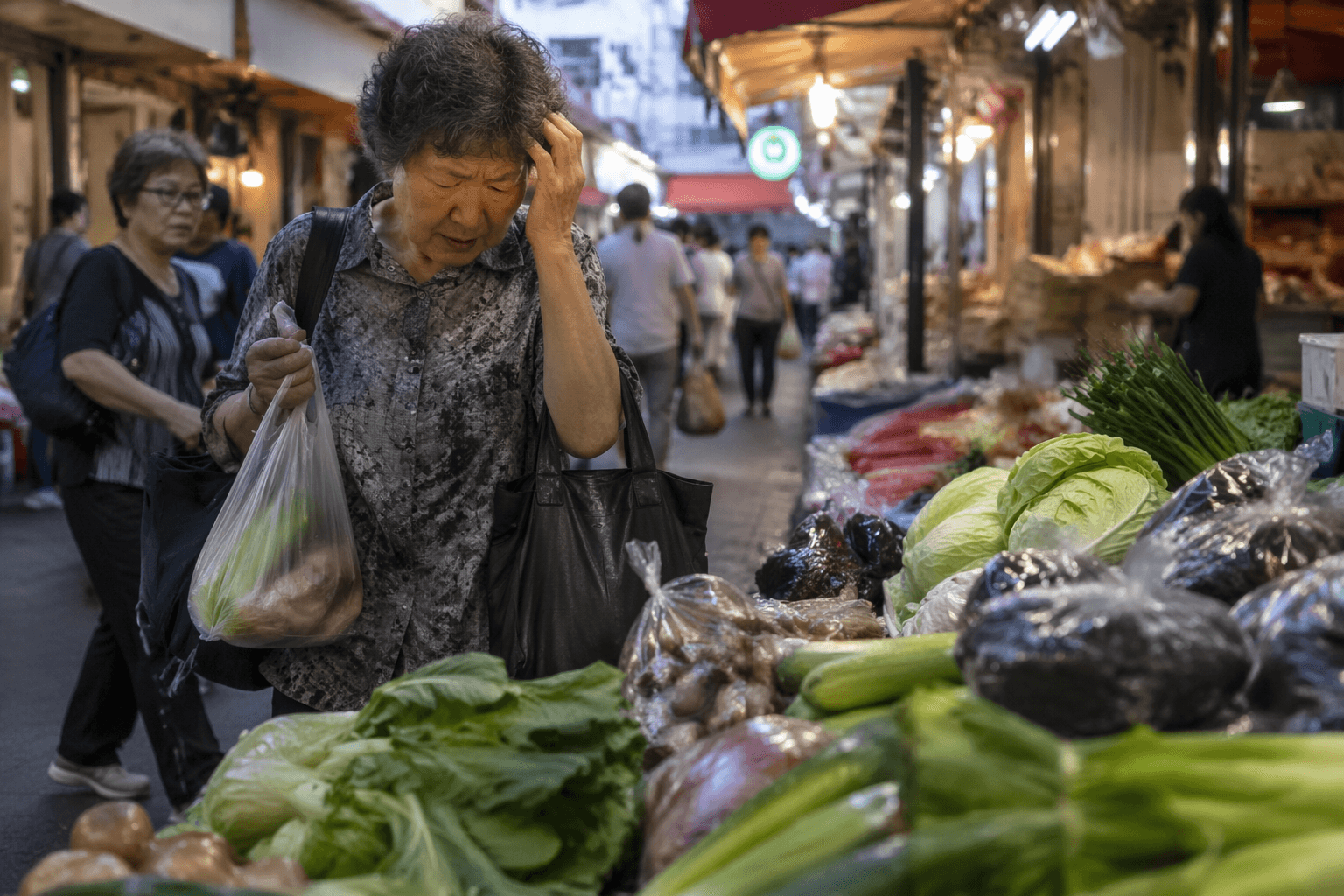
South Korea’s consumer inflation climbed back to 3.2% in June, the fastest pace since December 2023, as higher oil costs and a weaker won kept price pressure alive across the economy. The consumer price index rose 0.1% from May, a modest monthly increase that still reinforced expectations that the Bank of Korea may be nearing another rate move.
The June reading followed a 3.1% annual gain in May, which had already marked the highest inflation rate since March 2024. Together, the two months showed that South Korea’s price pressures have not faded quickly, even as the broader economy tries to preserve a fragile recovery. Elevated global oil prices, driven in part by instability in the Middle East, pushed up transportation and other import-sensitive costs. A softer won added another layer of strain by making raw materials more expensive for domestic businesses.
That backdrop has sharpened the debate inside the central bank. At the Bank of Korea’s May 28 meeting, the Monetary Policy Board kept the base rate at 2.50%, its eighth straight freeze, but the vote was not unanimous. Five of the seven board members backed holding rates steady, while two wanted a quarter-point increase. The split suggested policymakers were already moving toward a more hawkish stance even before June’s inflation data arrived.
The May decision was also the first policy meeting chaired by Governor Shin Hyun-song, who took office on May 21. Shin later signaled that he was prepared to tighten policy, saying the central bank needed to raise rates without delay and pointing to price stability, Middle East war risks and rising housing prices as reasons for concern.

Economists have been reading the same signals. Roughly two-thirds of those surveyed expected at least one Bank of Korea rate increase by the end of September, underscoring how much the inflation numbers have shifted the policy outlook. The Bank of Korea’s next scheduled meeting is July 16, a date that now looms as the next clear test of whether policymakers will keep waiting or begin to lean harder against inflation.
For South Korea, the stakes reach beyond the domestic economy. A rate hike would help support the won and curb price growth, but it would also make borrowing more expensive for households and housing-related credit. Persistent inflation in one of Asia’s biggest export economies can also ripple outward, influencing the prices U.S. consumers pay for electronics, autos and other goods that move through tightly linked supply chains.
This article was produced by Prism’s automated news system from verified source data, official records, and press releases, then run through automated quality and moderation checks before publishing. The system is built and supervised by the people who set the standards it runs under. Read our full AI policy.
Did this article answer your question?