South Korea pauses review of joining U.S.-led Hormuz mission
South Korea froze its Hormuz review after Trump paused Project Freedom, underscoring how quickly allied plans can shift when Washington changes course.
South Korea froze its review of whether to join a U.S.-led mission to escort ships through the Strait of Hormuz after President Donald Trump put the operation on hold, a swift reversal that exposed how fragile coalition planning can be when Washington’s commitment changes.
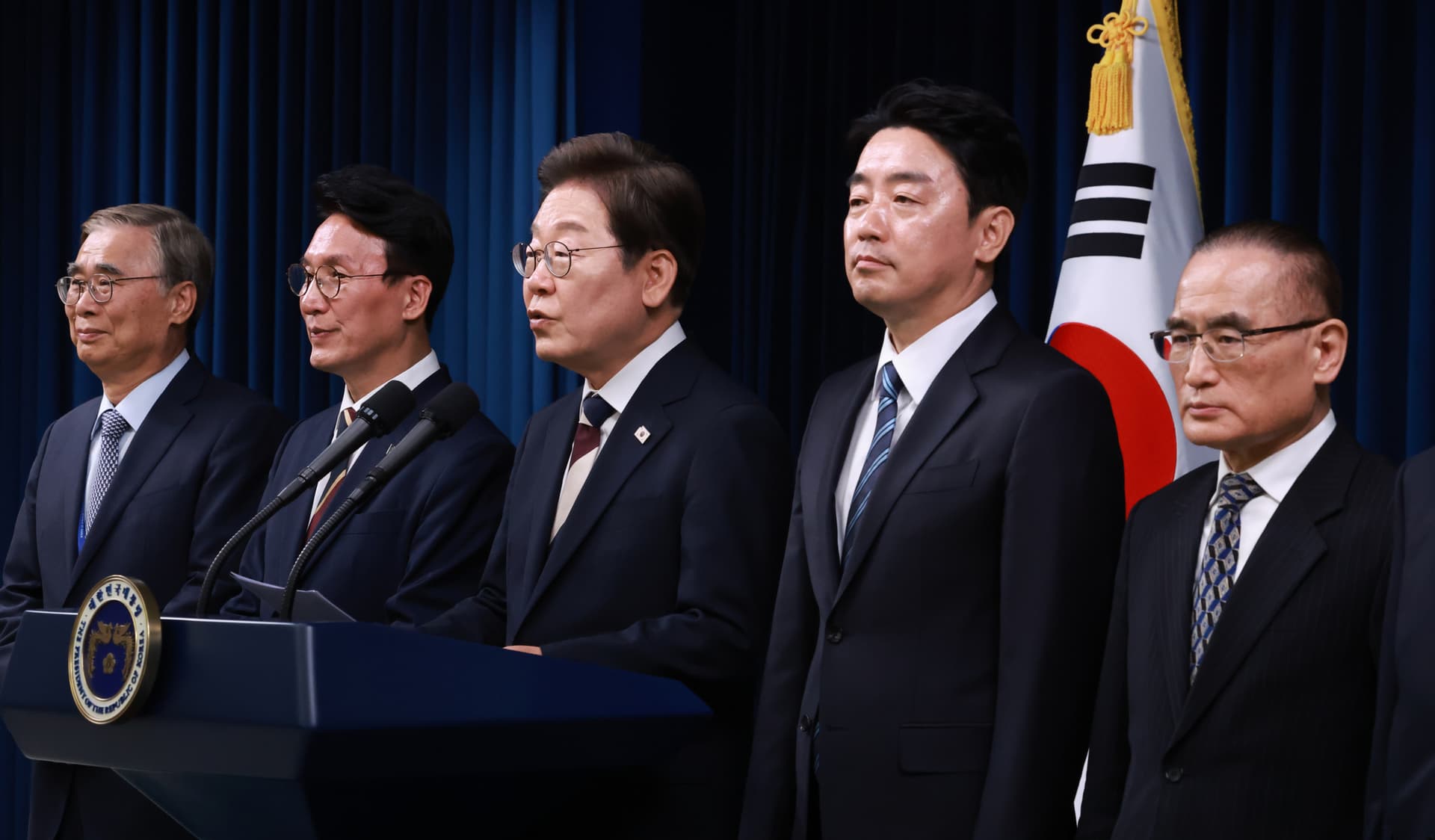
South Korean National Security Adviser Wi Sung-lac said the review was no longer necessary once the United States paused Project Freedom. He also said it remained unclear whether the vessel fire in the strait had been an attack. The ship did not appear to be listing, he said, the fire began in the engine room and was extinguished hours later, and none of the 24 crew members was injured. HMM, the vessel’s operator, said it secured a ship to tow the Panama-flagged bulk carrier to Dubai for inspection.
The pause matters far beyond Seoul. The Strait of Hormuz is about 29 nautical miles wide at its narrowest point, yet it carried an average of 20 million barrels per day of crude oil and oil products in 2025, according to the International Energy Agency. The U.S. Energy Information Administration says around one-fifth of global LNG trade also passes through the waterway. For South Korea, whose shipping interests and energy security run through the chokepoint, the stakes are immediate.
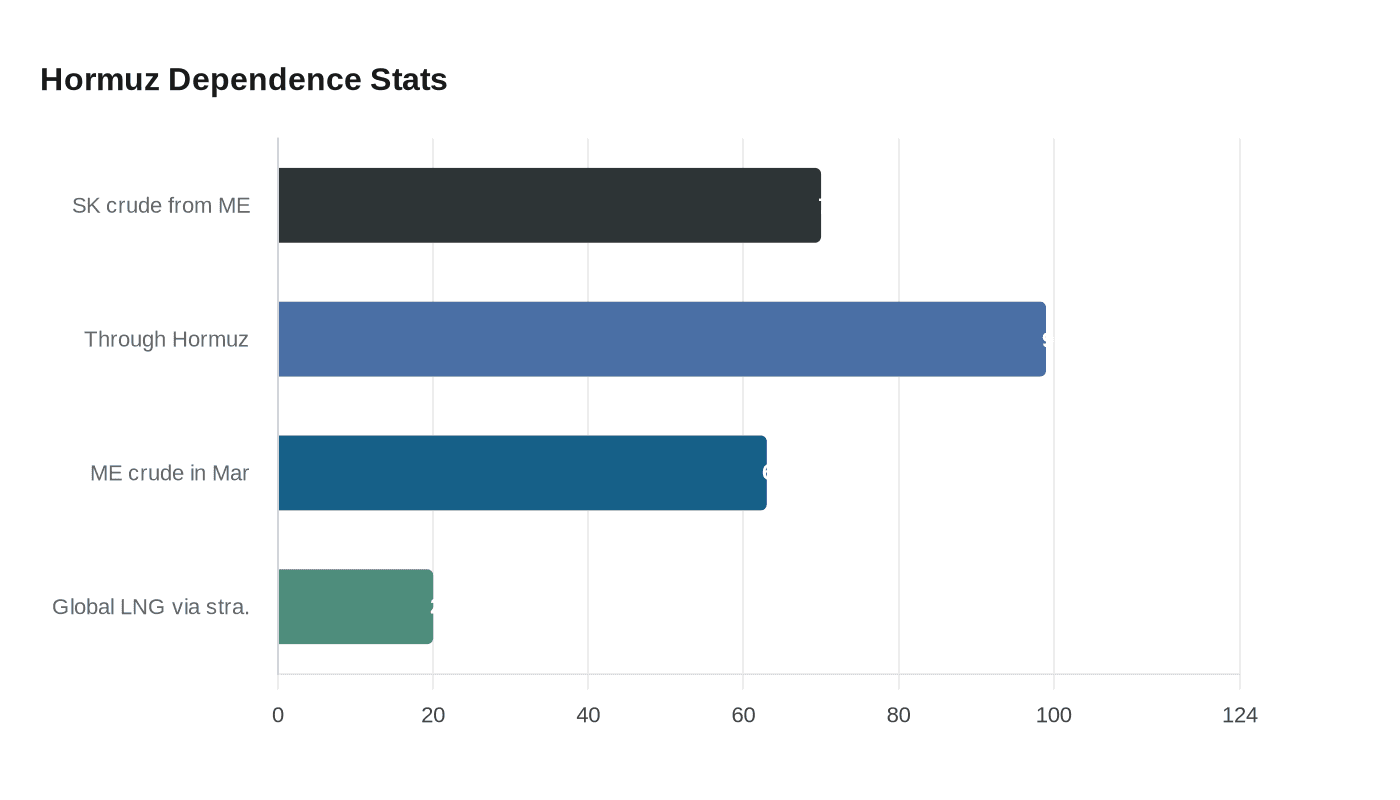
That dependence explains why Seoul has moved cautiously. One report said roughly 70% of South Korea’s crude imports come from the Middle East and about 99% of that volume passes through Hormuz. Another Reuters-linked report said Middle East crude accounted for 63% of South Korea’s imports in March amid the Iran conflict. Any escalation there can ripple into shipping insurance, logistics and energy prices, while also testing South Korea’s alliance calculations with Washington.
Project Freedom itself was presented as a substantial U.S. security effort. U.S. Central Command said on May 4 that support would include guided-missile destroyers, more than 100 land- and sea-based aircraft, multi-domain unmanned platforms and 15,000 service members. The operation was launched on May 4 and paused on May 5, after Trump cited progress in talks with Iran. That rapid shift left Seoul facing a familiar dilemma: preserve alliance ties, avoid direct military exposure and protect trade routes, all while U.S. policy remained in motion.
This article was produced by Prism’s automated news system from verified source data, official records, and press releases, then run through automated quality and moderation checks before publishing. The system is built and supervised by the people who set the standards it runs under. Read our full AI policy.
Did this article answer your question?