South Korea Secures Orbit With Fourth Nuri Rocket Launch
South Korea is marking a milestone as its fourth homegrown Nuri rocket successfully places a commercial grade main satellite and 12 cube satellites into orbit, showcasing growing private sector capability. The mission reinforces the government drive to build an independent domestic space industry, with more test launches planned through 2027.
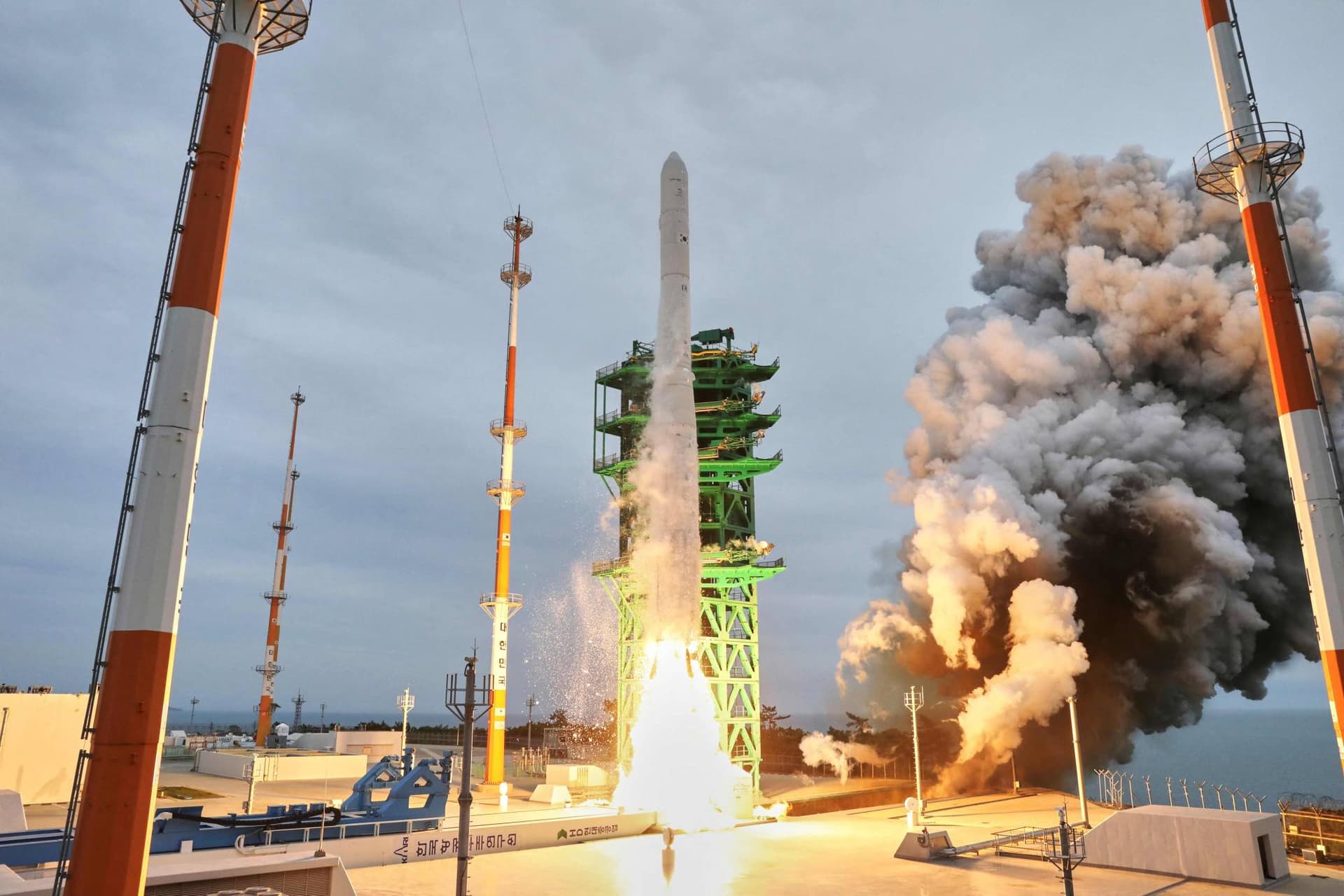
South Korea is celebrating a major advance in its space ambitions after its Nuri rocket successfully placed a commercial grade main satellite and 12 cube satellites into orbit following a launch from the Goheung space center. The mission on November 27 serves as a notable turning point for the country because it is the first time a private domestic company has taken part across manufacturing and assembly of the launcher.
Hanwha Aerospace played a central role in building and assembling the rocket, marking an expanded commercial presence in activities that until recently were the domain of national research agencies. Another domestic firm, HD Hyundai Heavy, operated the launchpad, underscoring a growing ecosystem of private companies handling key elements of South Korea’s launch chain. The Korea Aerospace Research Institute livestreamed the mission, allowing the public to watch the sequence of events as the vehicle reached orbit.
Officials framed the success as more than a technical achievement. President Lee Jae Myung hailed the launch as a demonstration of scientific independence and a boost to the country’s aerospace competitiveness. Government leaders have made strengthening the domestic space sector a priority, and authorities said the flight is part of a broader push that will include six test launches by 2027. Those additional missions are intended to refine the launcher and expand commercial access to orbit for South Korean customers.
The payload mix reflects a strategic shift toward commercial applications. The main satellite is described as commercial grade, suggesting it was built to serve paying clients rather than purely experimental or government research needs. The 12 cube satellites aboard the vehicle are typical of the small satellite market and are used by universities, startups, and private companies for communications, Earth observation, and technology demonstration. Together they signal a readiness to support a wider array of customer missions.

South Korea’s move toward a market oriented launch capability comes amid a global surge in small satellite deployments and growing competition among national and private launch providers. Building domestic expertise in manufacturing, integration, and launch operations can reduce reliance on foreign suppliers, keep sensitive technologies at home, and create economic opportunities through new supply chains and high tech employment.
Challenges remain. Reaching routine, reliable launch cadence will require further technical validation, regulatory development, and investment to scale production and lower costs. Integrating private firms into national programs also raises questions about export controls, oversight, and the balance between public research priorities and commercial interests.
For now, the successful fourth flight of Nuri represents tangible progress. By combining national research capabilities with private sector execution, South Korea is positioning itself to compete in the expanding market for orbital services while asserting greater independence in space access. The next test launches through 2027 will be watched closely by industry observers and potential customers interested in new alternatives for placing payloads into orbit.
This article was produced by Prism’s automated news system from verified source data, official records, and press releases, then run through automated quality and moderation checks before publishing. The system is built and supervised by the people who set the standards it runs under. Read our full AI policy.
Did this article answer your question?