South Korean court sentences former President Yoon to two years in prison
A Seoul court gave Yoon Suk Yeol two years for illegal polling funds, deepening a cascade of criminal rulings after his martial law collapse.
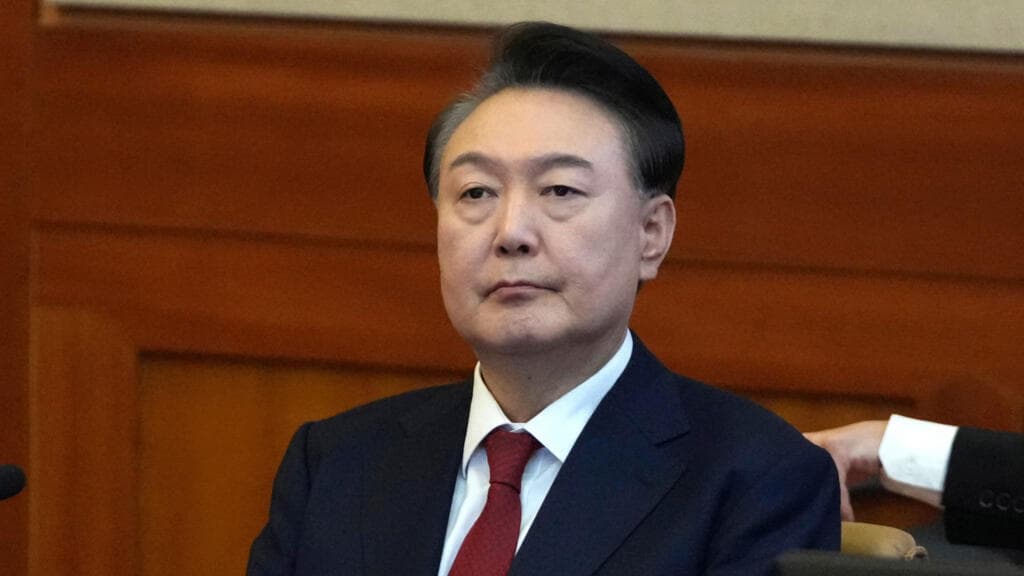
The Seoul Central District Court sentenced former President Yoon Suk Yeol to two years in prison on Monday after finding him partially guilty of accepting illegal political funds through free opinion polls worth about 270 million won, or roughly $179,800 to $180,100.
The case centered on 14 rounds of polling that were provided at no cost between April 2021 and March 2022 by Myung Tae-kyun, a self-proclaimed political broker. Prosecutors said the polls amounted to a hidden benefit that helped Yoon during the run-up to South Korea’s 2022 presidential election. Yoon denied requesting the polls and said he had promised nothing in return.
The court’s ruling added another chapter to a legal reckoning that has followed Yoon since he left office. It also sharpened questions about how South Korea’s anti-corruption institutions handle former presidents, a group that has repeatedly faced criminal scrutiny after their terms end. In this case, the court’s finding that Yoon was partially guilty of receiving unlawful political support through polling services put a formal criminal judgment on conduct tied to his ascent in politics, not only his downfall in office.
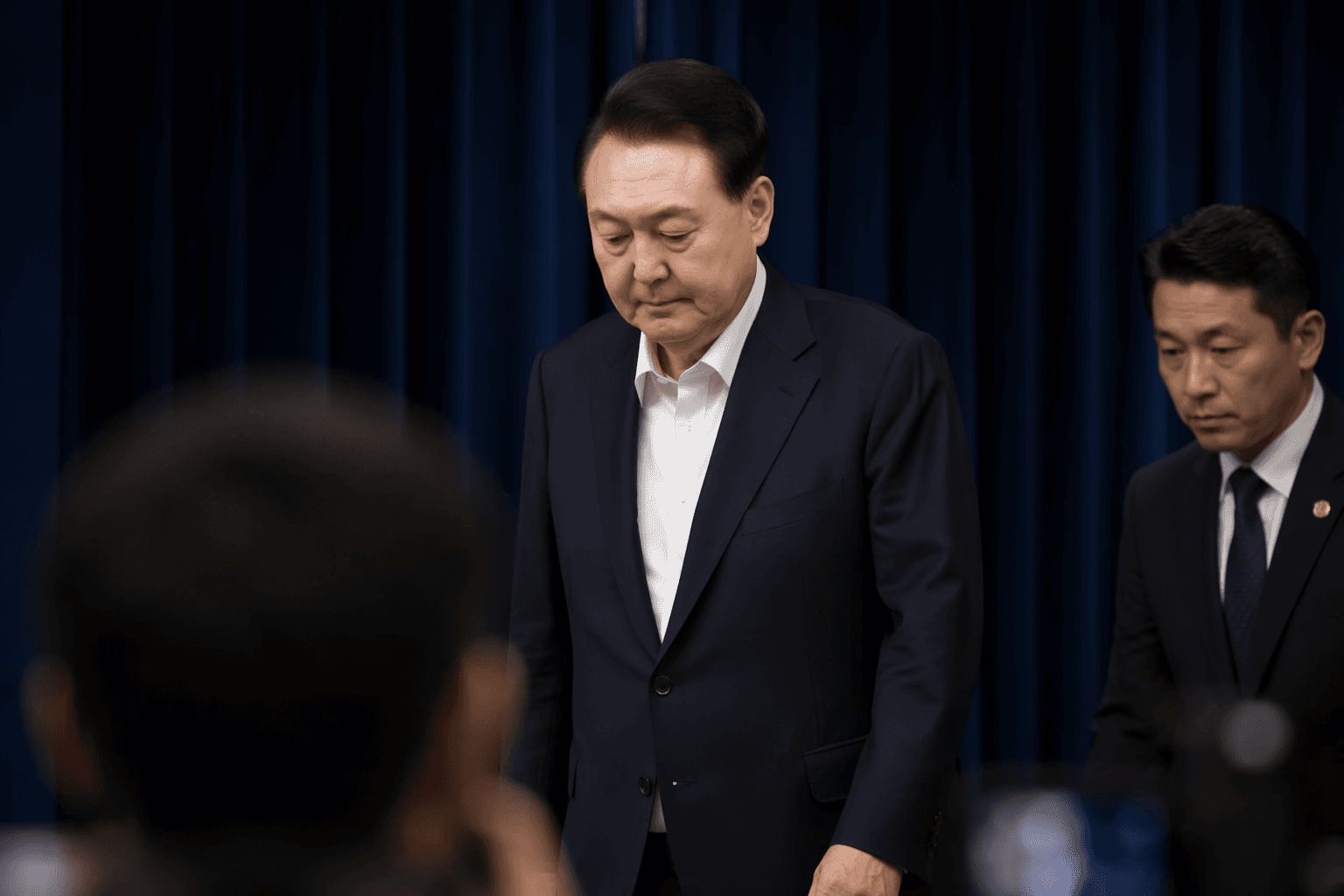
The decision also contrasted with earlier rulings involving former first lady Kim Keon Hee, which had not found a quid pro quo tied to the same polling services. That difference leaves the fight over the meaning of the evidence, and over the political context surrounding it, far from settled. Yoon can still appeal.
Yoon is already facing a broader legal collapse. He is appealing a life sentence handed down in February in a separate case in which he was found guilty of masterminding an insurrection tied to his short-lived declaration of martial law in 2024. South Korea’s Supreme Court also upheld a seven-year prison sentence for him in another case on July 9, 2026, for obstructing authorities trying to arrest him.
Supporters gathered outside the court in Seocho-gu, Seoul, as the verdict was delivered, a reminder that the former president’s legal jeopardy continues to cut along political lines. For South Korea, the sentence reinforces the judiciary’s willingness to pursue accountability at the highest levels of power, while also feeding an argument that prosecutions of former presidents remain inseparable from the country’s fiercest partisan battles.
This article was produced by Prism’s automated news system from verified source data, official records, and press releases, then run through automated quality and moderation checks before publishing. The system is built and supervised by the people who set the standards it runs under. Read our full AI policy.
Did this article answer your question?