South Korean women writers thrive amid anti-feminist backlash
Women writers in South Korea are turning backlash into bestseller momentum, with women winning all six Yi Sang Award categories and memoirs drawing huge demand.
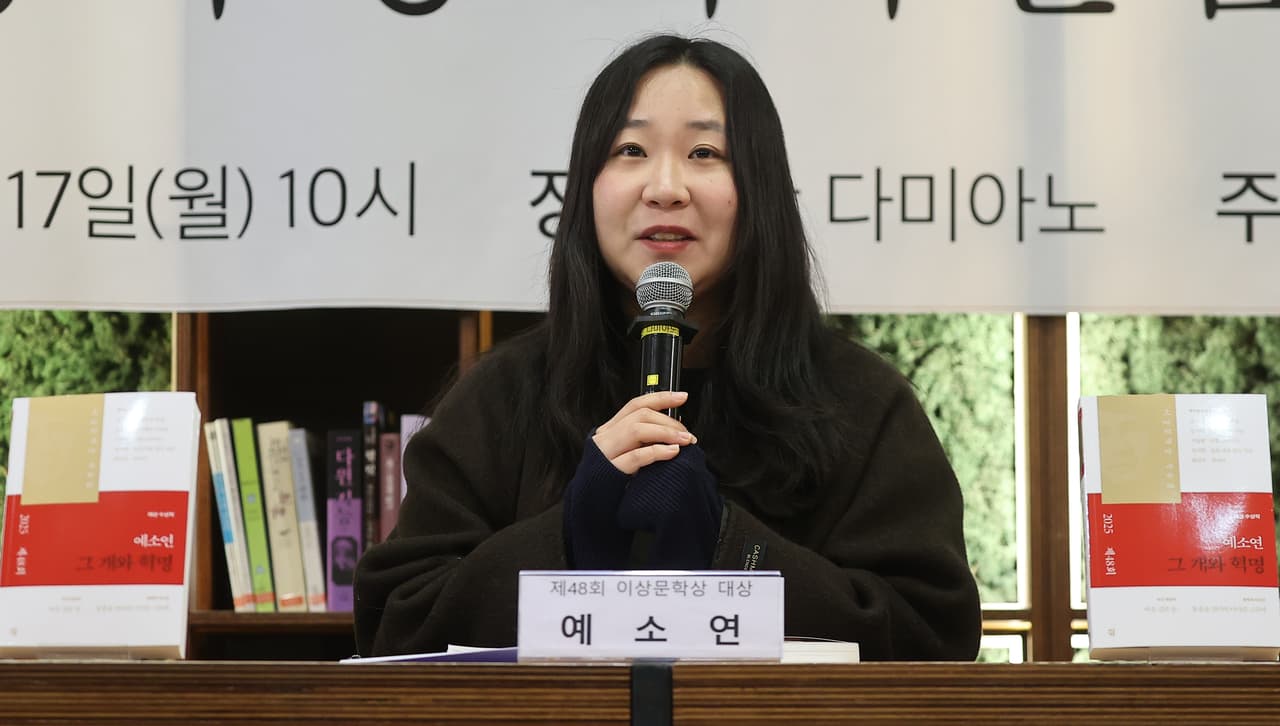
South Korea’s women writers have turned a harsh backlash into literary leverage, capturing the country’s top fiction honors and building new spaces where readers can gather, talk and write together. This year, women won all six categories of the Yi Sang Awards for the first time, a striking signal in a market where feminism has become a polarizing label and online abuse has tried to police who gets to speak.
The Yi Sang Literary Award, established in 1977 to honor writer-poet Yi Sang, is widely regarded as Korea’s most prestigious prize for short and mid-length fiction. Its latest sweep by women landed alongside a wider shift in the country’s book culture, where book talks and reading and writing rooms called guelbang have emerged as gathering places for women readers and writers. The emphasis inside those rooms is not only on publishing and craft, but on community.
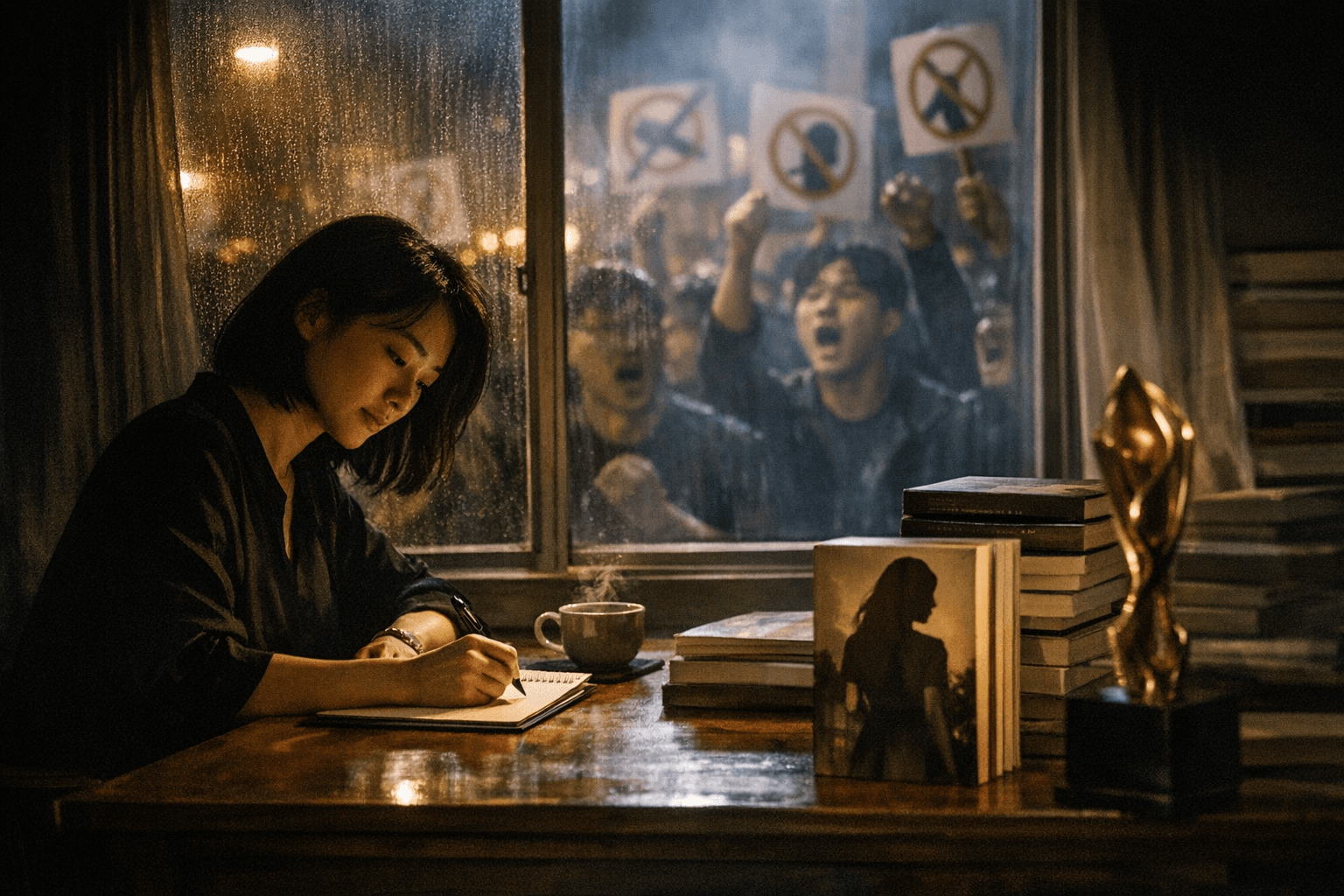
That growth has come against a political and social backlash shaped by economic anxieties, changing marriage patterns and resentment among some young men who argue that women are no longer discriminated against. The tension has pushed many young women into online spaces to discuss gender more safely, even as public debate over feminism has grown more hostile. Women’s activism in South Korea has deeper roots in organizations that have worked since the 1980s to reform laws, institutions and public attitudes.
A major turning point came after the 2016 Gangnam Station murder case, which helped trigger a broader feminist awakening and pushed feminist books onto bestseller lists. Since then, women-centered writing has shown it can sell at scale. Baek Se-hee’s I Want to Die but I Want to Eat Tteokbokki helped make confessional writing more visible to a broad readership, and Seen Aromi’s memoir So What if I Love My Single Life! became an instant bestseller after its early-2024 release.
The success brought its own backlash. Seen Aromi was hit with online abuse from men who accused her of being selfish and said she would die lonely for embracing single life. The reaction showed the same mechanism driving the cultural fight over gender: the more women’s work reaches a mass audience, the more it becomes a target for attempts to shame or silence it.
Even so, the commercial signal has only strengthened. In 2023, Lee was voted the “most prominent contemporary Korean Writer” by one of South Korea’s largest book retailers after publishing In The Age of Filiarchy. Together, these sales, awards and new reading spaces suggest that women’s writing is no longer operating at the margins of South Korea’s literary market. It is helping define its center, even as the country’s gender politics remain deeply contested.
This article was produced by Prism’s automated news system from verified source data, official records, and press releases, then run through automated quality and moderation checks before publishing. The system is built and supervised by the people who set the standards it runs under. Read our full AI policy.
Did this article answer your question?