South Korea’s AI-fueled stock boom turns into bear market
South Korea’s KOSPI has fallen into a bear market after peaking at 9,114.55, exposing how quickly the 5,000-point dream and AI mania unraveled.
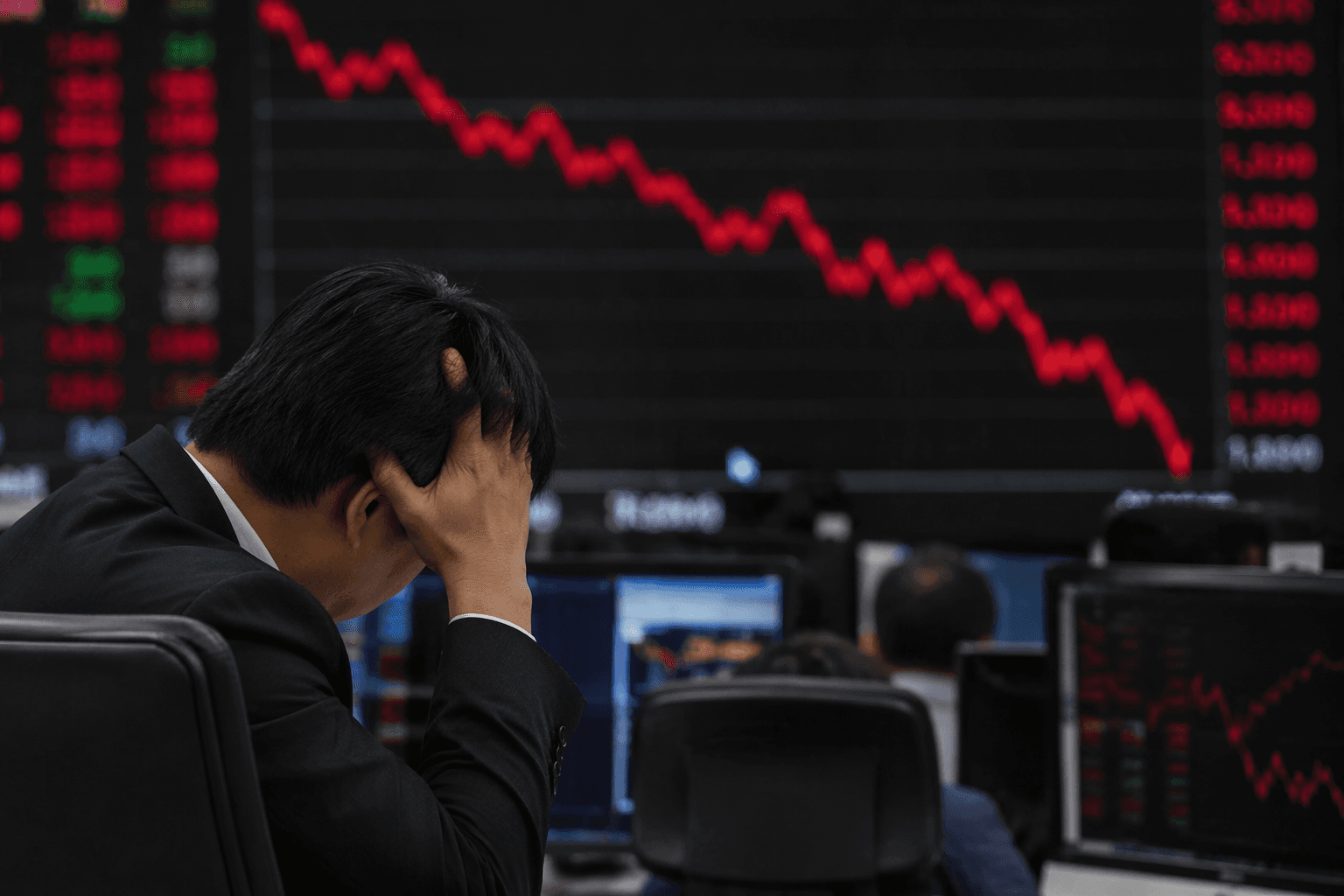
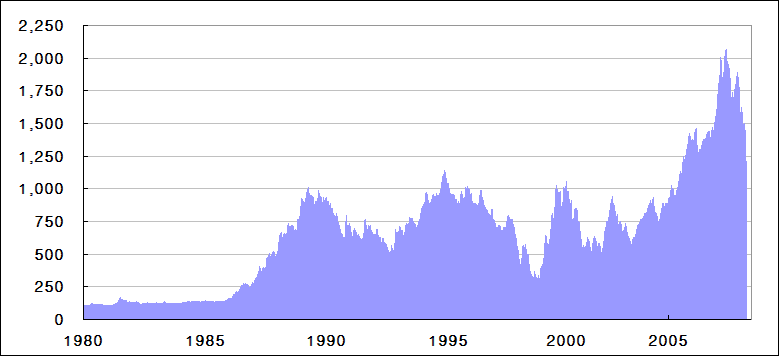
South Korea’s KOSPI has slipped into a bear market after shedding about a quarter of its value since late June, undoing the momentum behind President Lee Jae Myung’s 5,000-point target. The benchmark closed at a record 9,114.55 on June 22 before the selloff gathered pace.
The latest blow came on July 8, when the index fell 5.35% to 7,246.79, crossing the common 20% threshold from a recent high that marks a bear market. Even after that drop, the KOSPI remained the world’s best-performing major equity market this year. But the rise was narrowly built: Samsung Electronics and SK Hynix together made up more than half of the index’s market value during the boom.
Outstanding margin loans in South Korea’s domestic stock market reached about 38 trillion won, a record, as retail investors piled into leveraged bets and brokerages tightened margin rules. Foreign investors were net sellers during parts of both the rally and the retreat. On July 8, finance minister Koo Yun-cheol said officials would closely monitor the volatility.
The correction also landed after a policy setback: MSCI again left South Korea off its 2026 developed-market watchlist on June 23, citing market-access barriers including limited offshore won convertibility, and pushing back hopes for index-driven inflows. On June 29, Samsung Electronics and SK Hynix announced plans to invest a combined 800 trillion won, or $518 billion, in a semiconductor hub in southwestern South Korea.
This article was produced by Prism’s automated news system from verified source data, official records, and press releases, then run through automated quality and moderation checks before publishing. The system is built and supervised by the people who set the standards it runs under. Read our full AI policy.
Did this article answer your question?