South Texas Museum, Jim Wells County Fair Celebrate Alice's Rural Heritage
South Texas Museum and the Jim Wells County Fair highlighted Alice's ranching and agricultural heritage, offering exhibits, livestock shows and research resources that matter to local families and youth.

Alice residents are seeing their rural heritage showcased through the South Texas Museum and the county fair, institutions that tie local memory to present-day community life. The museum’s historic building and the fair’s agricultural programming together sustain traditions, support youth development and provide economic lift for vendors and small businesses across Jim Wells County.
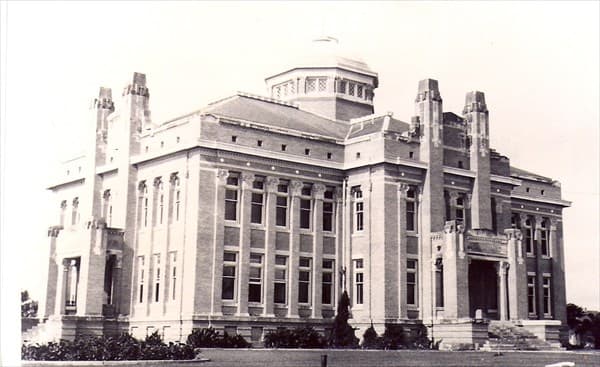
The South Texas Museum occupies the McGill Bros. ranch headquarters building, constructed in 1941 and designated a Recorded Texas Historic Landmark. Its exhibits preserve ranching artifacts, early photographs, saddles, Civil War-era firearms and vintage office equipment. A research library houses local newspaper runs and archival materials that genealogists and local historians use to trace family histories and community stories. The museum is located at 66 S. Wright St., Alice; hours and phone contact vary seasonally, so visitors should check the museum website or call ahead. Admission often accepts donations, and educational tours and research access are available by appointment.
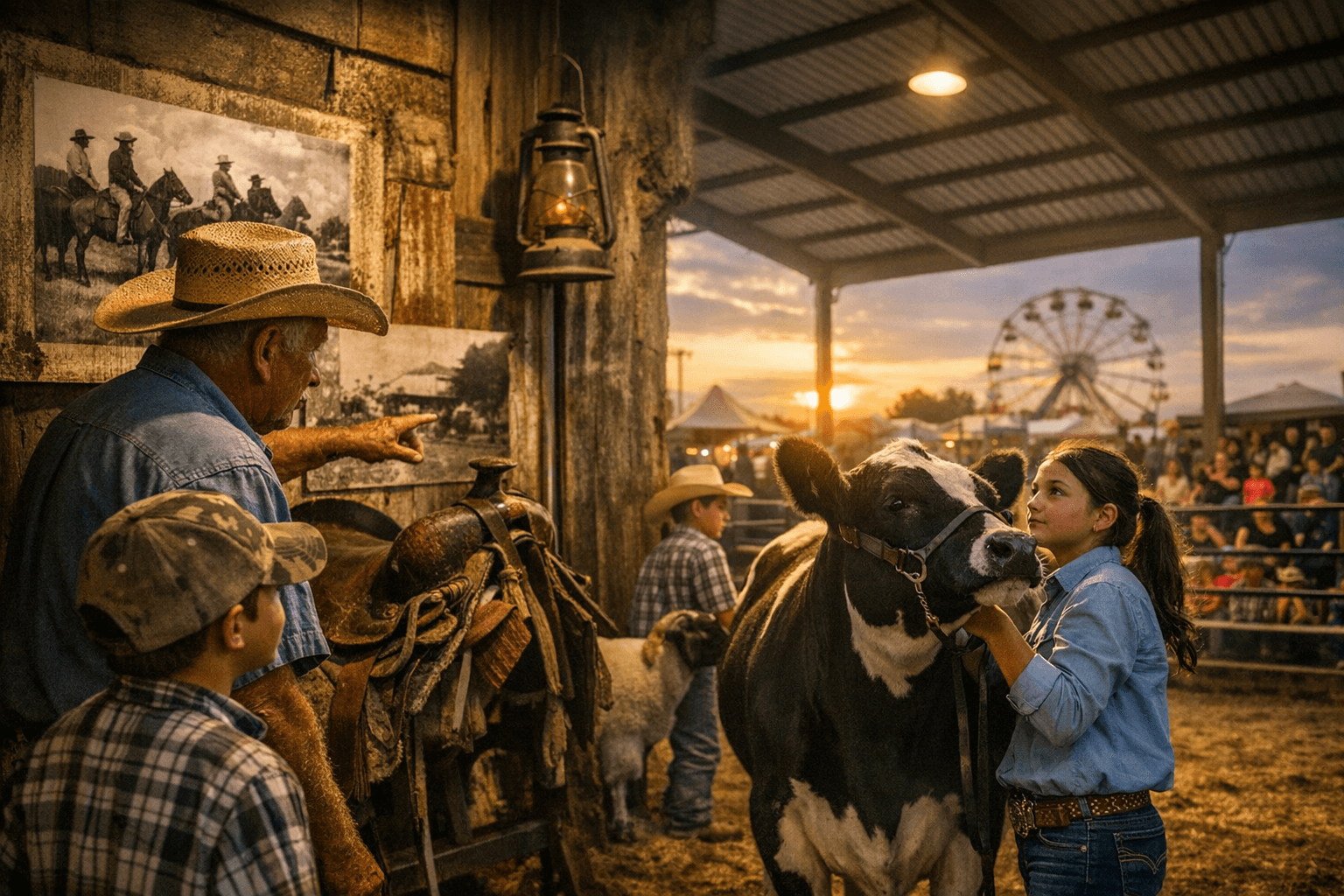
The Jim Wells County Fair serves as the county’s primary agricultural and community fair, traditionally held in October at the Jim Wells County Fairgrounds, 3001 S. Johnston St., Alice. The fair’s footprint includes livestock shows, agricultural exhibits, 4-H and FFA competitions, carnival rides, entertainment and community food vendors. Contests, scholarship opportunities and youth showcases are central features, linking hands-on agricultural education to pathways for students seeking awards or college aid. Dates, admission fees and schedules change year to year; attendees should consult the fair association or county event calendar for the current season’s information.
Both institutions play distinct but complementary roles. The museum anchors historical preservation and research, maintaining physical artifacts and documentary records that demonstrate long-term demographic and land-use patterns across South Texas. The fair translates agricultural skills into civic participation, motivating volunteerism in extension programs, fair boards and school-based 4-H and FFA chapters. Economically, the fair generates short-term revenue for food vendors, ride operators and local suppliers while the museum sustains steady visitation that supports downtown activity.
Institutional sustainability depends on clear communication, volunteer capacity and stable funding from a mix of donations, municipal support and grant programs tied to historic preservation and youth development. Landmark status brings preservation obligations that can open opportunities for targeted funding, but also requires local stewardship. For residents, sustaining these assets means more than attendance; it involves volunteering, serving on advisory boards and supporting scholarship fundraising to keep youth pathways and archival access viable.
For planning purposes, confirm current museum hours and fair schedules before traveling. Continued community engagement will determine whether these gatherings remain reliable centers for education, local commerce and the transmission of Jim Wells County’s rural legacy.
Sources:
Know something we missed? Have a correction or additional information?
Submit a Tip