Southwest fire danger worsens as Utah, Nevada and New Mexico brace
Utah, Nevada and New Mexico faced a sharp surge in fire danger as crews fought 36 large fires and warned of explosive growth in a hot, dry, windy pattern.
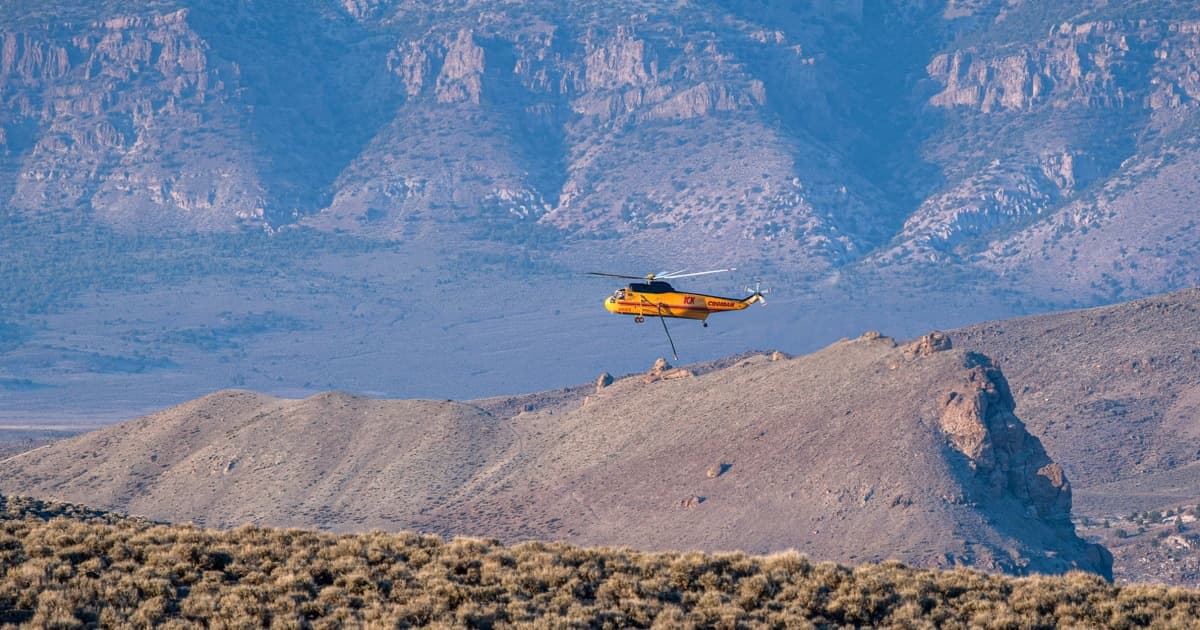
Firefighters were working to contain 36 large fires across the country Friday as the National Interagency Fire Center warned that a sharp weather shift would bring “extremely critical fire weather” to southern Nevada, northwestern Arizona and Utah. Relative humidity was forecast to drop as low as 3% to 10%, with southwesterly wind gusts of 30 to 50 mph, a combination that can turn existing fire perimeters into fast-moving runs.
In the Great Basin coordination area, the June 27 incident report listed 19 incidents covering 214,926 cumulative acres, with major fires in Utah and Nevada. The Cottonwood Fire near Beaver, Utah, remained the largest fire in the nation and was showing extreme fire behavior, including uphill runs, running fire and long-range spotting. Numerous structures were threatened, and evacuations, area closures and road and trail closures were in effect.
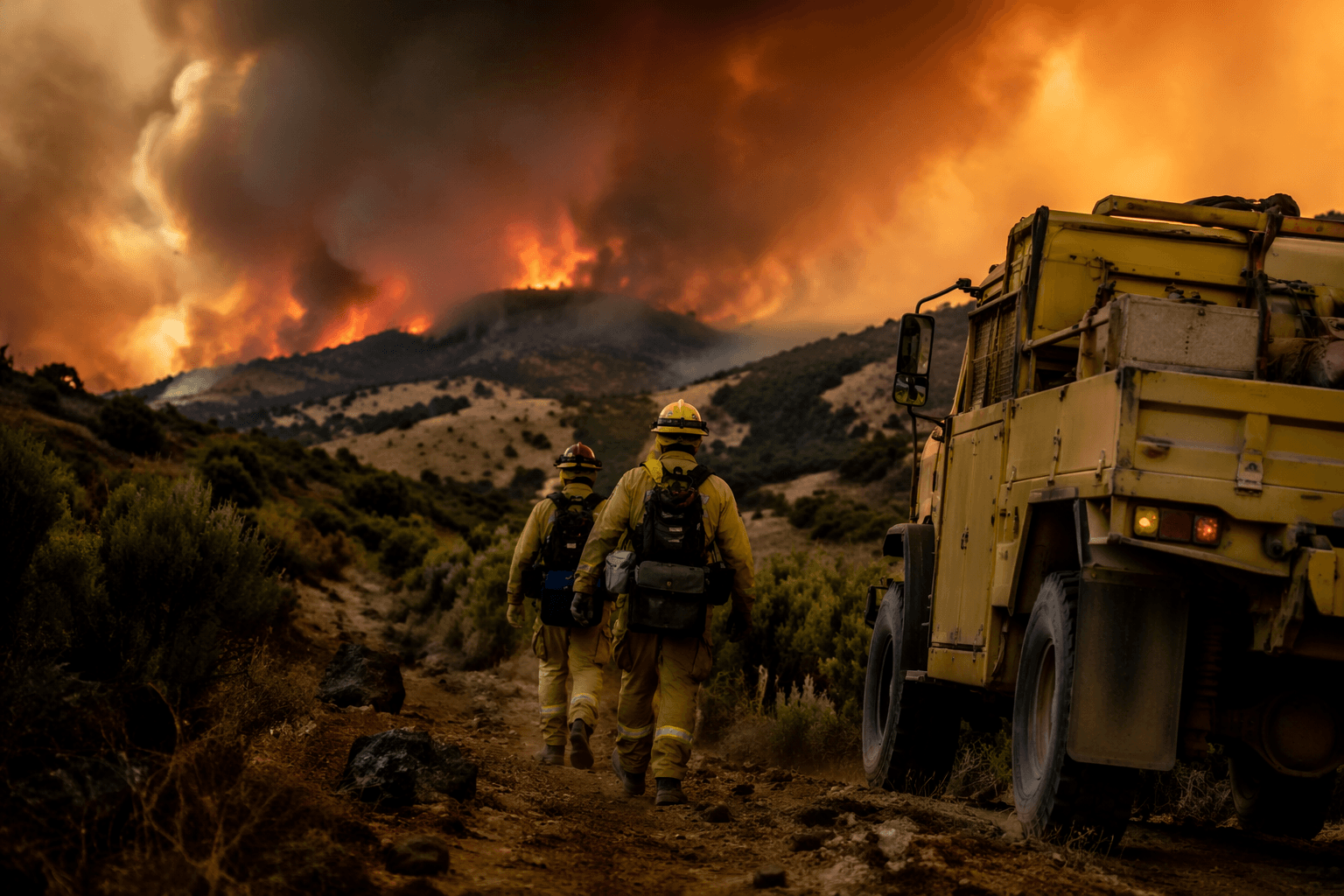
The Iron Fire near Eureka and the Grapevine and Kane Springs fires near Caliente were among the active incidents listed in the Great Basin report. In Utah, the Cherry, Maple Peak and Babylon fires had threatened residences or critical infrastructure and triggered evacuations or closures.
Lightning holdovers were likely to emerge, meaning strikes from earlier storms could erupt after a delay, while established fires could see explosive, wind-driven growth. Mixed wet and dry thunderstorms in eastern Arizona and New Mexico were also expected to create new fire starts and gusty outflow winds. The National Interagency Fire Center had the nation at National Preparedness Level 3 as of June 18.
On June 26, 104 new fires were reported nationwide, including six new large fires, as crews worked against 35,247 fires that had burned more than 2.9 million acres so far this year. In the June 1 outlook, the fire center put the total at 2,412,214 acres by May 31, equal to 195% of the previous 10-year average, while 30,588 wildfires had been reported, or 140% of average.
This article was produced by Prism’s automated news system from verified source data, official records, and press releases, then run through automated quality and moderation checks before publishing. The system is built and supervised by the people who set the standards it runs under. Read our full AI policy.
Know something we missed? Have a correction or additional information?
Submit a Tip