S&P 500 Climbs to Intraday Record, AI Stocks and Rate Cut Bets Drive Rally
The S&P 500 reached a new intraday peak on Dec. 24, closing in on recent highs as investors piled into AI linked megacap technology names and priced in potential Federal Reserve rate cuts next year. With selective buying, thin holiday liquidity, and mixed inflation signals complicating the timing of policy easing, markets are balancing strong earnings momentum against the risk of higher for longer rates.
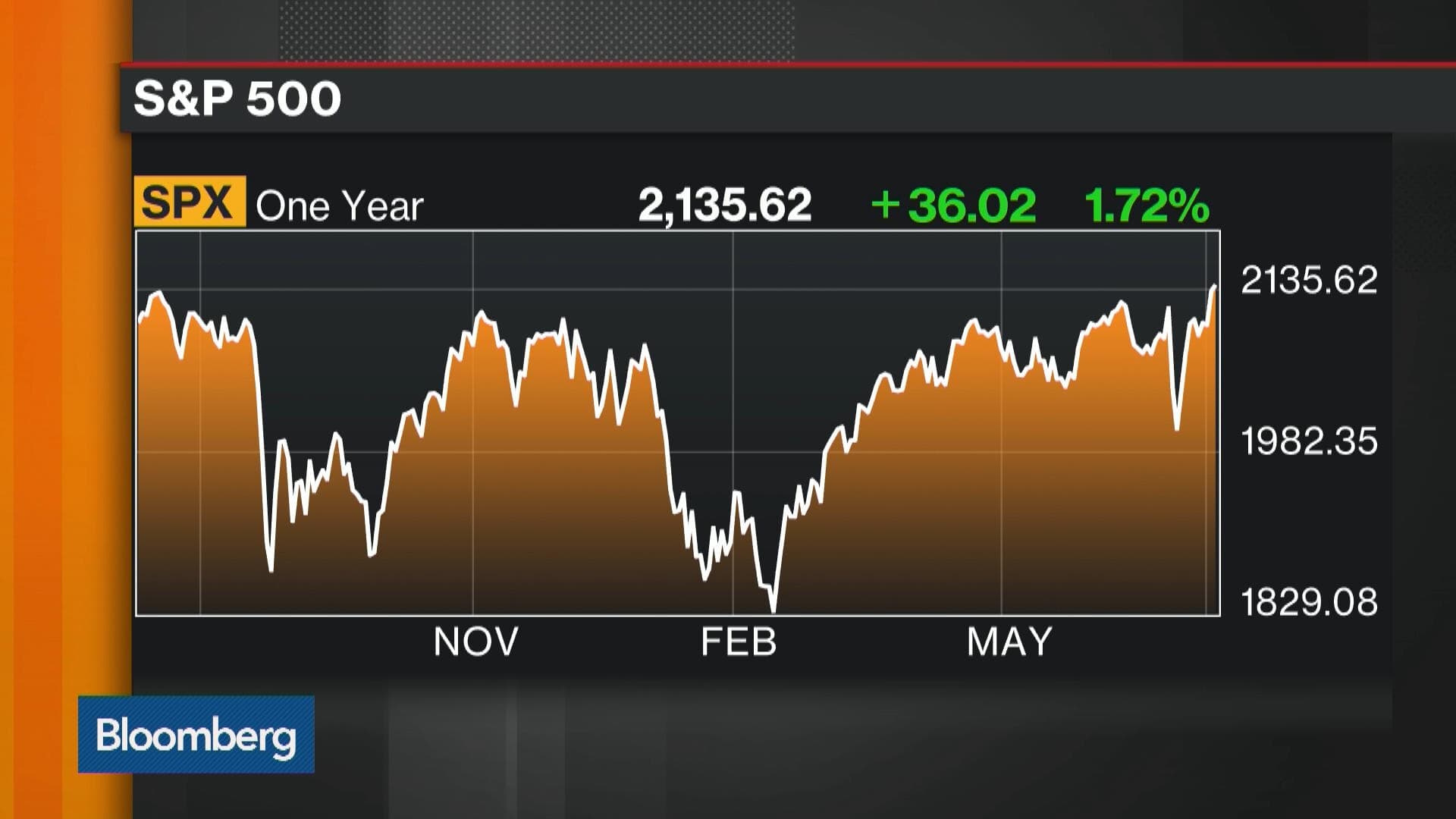
The S&P 500 touched an intraday record of 6,920.88 on Dec. 24, surpassing its previous intraday high of 6,920.34 from Oct. 29, 2025. The move followed a fresh record close the previous session at 6,909.79, and capped a rebound from a November pullback that had left the benchmark trading in a narrow band roughly between 6,868.81 and 6,910.88 in recent sessions.
The late December rally was concentrated in AI oriented and megacap technology stocks, with Nvidia among the leaders. Nvidia earlier this year helped propel the benchmark past a $5 trillion market valuation, and renewed momentum in the AI trade regained force after a strong profit outlook from Micron Technology rekindled investor appetite for semiconductor exposures. Selective strength in individual names including Nike and Dynavax added to market gains, while flows into financials and materials suggested a modest rotation back into cyclical sectors.
Trading on Christmas Eve was thin, amplifying headline driven moves and concentrating returns in index heavy leaders rather than across the market. The Dow rose about 0.2 percent on the session while the Nasdaq was essentially flat, a pattern consistent with selective bets on a handful of large cap names lifting the broad index. Since the market low in April 2025, U.S. equities have accrued roughly $18 trillion in market capitalization, underlining the scale of gains that have accompanied the AI trade and concentrated leadership.
Policy expectations were a central undercurrent for investors. Market pricing reflected growing bets that the Federal Reserve will begin lowering policy rates in 2026, a view that supported risk assets. At the same time, recent inflation related data complicated that narrative. The GDP price index rose to 3.4 percent from 2.0 percent, the PCE price index moved to 2.8 percent from 2.1 percent, and core PCE increased to 2.9 percent from 2.6 percent, suggesting lingering upward pressure on overall price growth. Those readings pushed short term yields higher and reduced the probability of an immediate rate cut in the eyes of rates markets.

Traders voiced a pragmatic take on the trade off between rates and earnings, with one market participant summing up the mood, “We can live with higher for longer rates as long as earnings growth holds up.” That encapsulates the current positioning where investors are willing to tolerate elevated policy rates provided corporate profits continue to expand and justify premium valuations in megacap technology names.
The market structure of the rally underscores two near term risks. First, crowded positions in a handful of mega cap AI winners raise the potential for volatility if earnings disappoint or if liquidity conditions tighten. Second, the timing of Fed easing remains data dependent, and stronger inflation readings could push any cuts further into 2026, pressuring high multiple equities.
Looking ahead, investors will focus on incoming inflation prints, the tone of Fed communication early in the new year, and whether earnings momentum can sustain the concentrated leadership that drove the S&P to its latest intraday record.
This article was produced by Prism’s automated news system from verified source data, official records, and press releases, then run through automated quality and moderation checks before publishing. The system is built and supervised by the people who set the standards it runs under. Read our full AI policy.
Did this article answer your question?

