Space ETFs surge on hopes of a future SpaceX IPO
Investors poured $1.3 billion into space ETFs in a month, but only one fund has direct SpaceX exposure and much of the trade is still branding.

Money is flooding into space ETFs before SpaceX has even gone public, with the niche pulling in about $1.3 billion in new cash over the past month and swelling to roughly $3.3 billion in assets. The rally is being driven less by current holdings than by anticipation: investors are betting that Elon Musk’s company could unlock a broader commercial space economy and give the category its first true anchor stock.
The clearest sign of that shift came on March 31, when Tema ETFs launched the Tema Space Innovators ETF, ticker NASA, and called it the first pure-play space fund to include direct SpaceX exposure. Tema said 10% of the portfolio is tied to SpaceX through a special purpose vehicle, a structure that gives buyers a sliver of direct exposure while the rest of the fund remains a wider bet on launch, satellite and defense-linked names. In just about seven weeks, the new fund had gathered more assets than the long-standing UFO fund had accumulated over seven years.
That kind of acceleration shows how quickly Wall Street can repackage a narrative. Procure’s UFO, which it describes as the world’s first ETF focused exclusively on the global space industry, launched in 2019 and crossed $500 million in assets under management on April 16, its seven-year anniversary. Until this year, it was the main dedicated option for investors seeking space exposure. Now, six more funds have appeared in the past three months, each trying to capture a different slice of the same story.
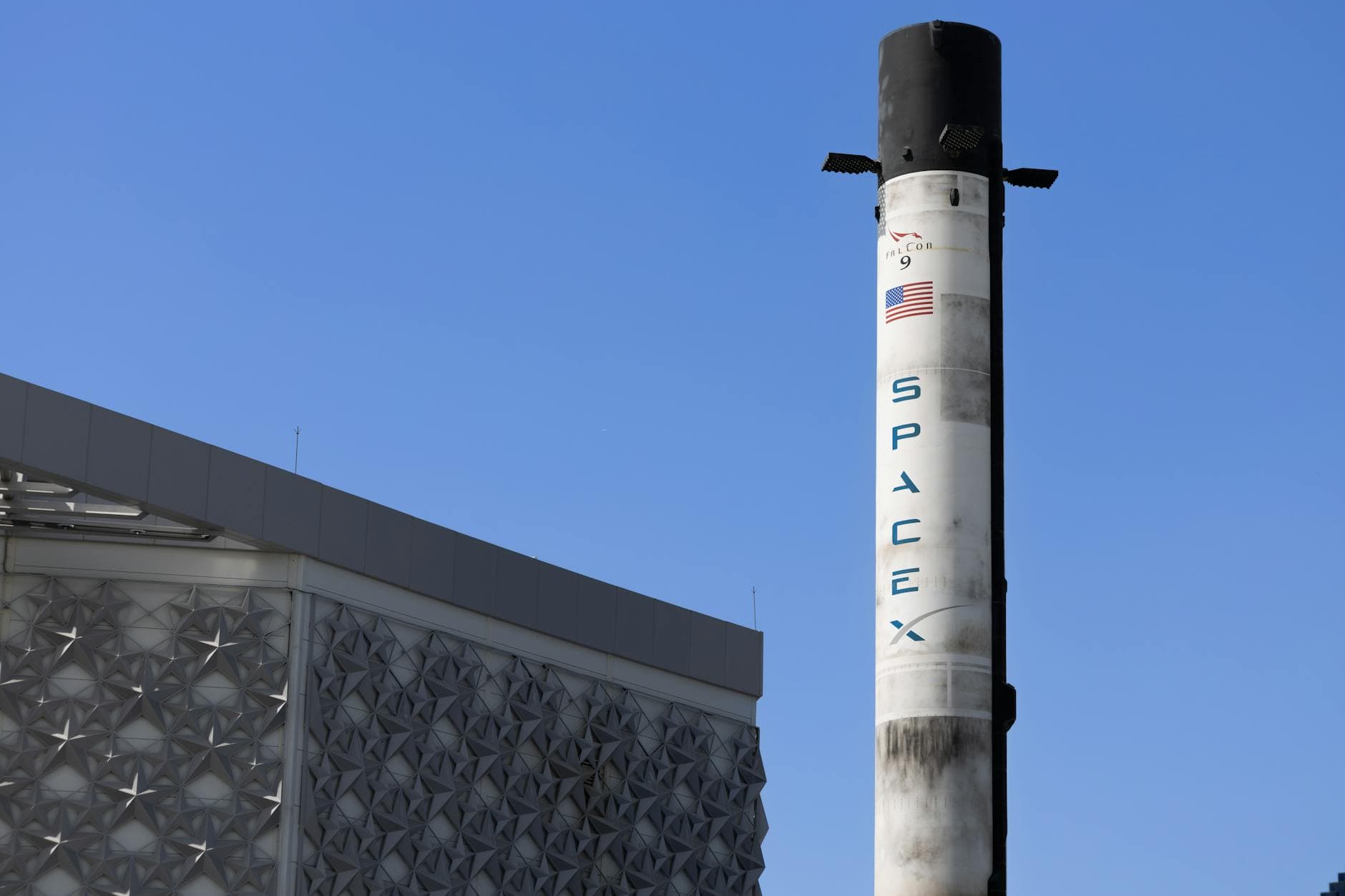
The real catalyst is not a launch or a satellite contract, but the expectation that SpaceX itself is moving toward an IPO in 2026. SpaceX is working with at least 21 banks under the code name Project Apex, and the deal could produce as much as $1 billion in underwriting fees, a windfall that would rank among the richest IPO syndicates ever in dollar terms. Issuers are already preparing for a second wave of products, including leveraged and income-oriented funds tied specifically to the company.
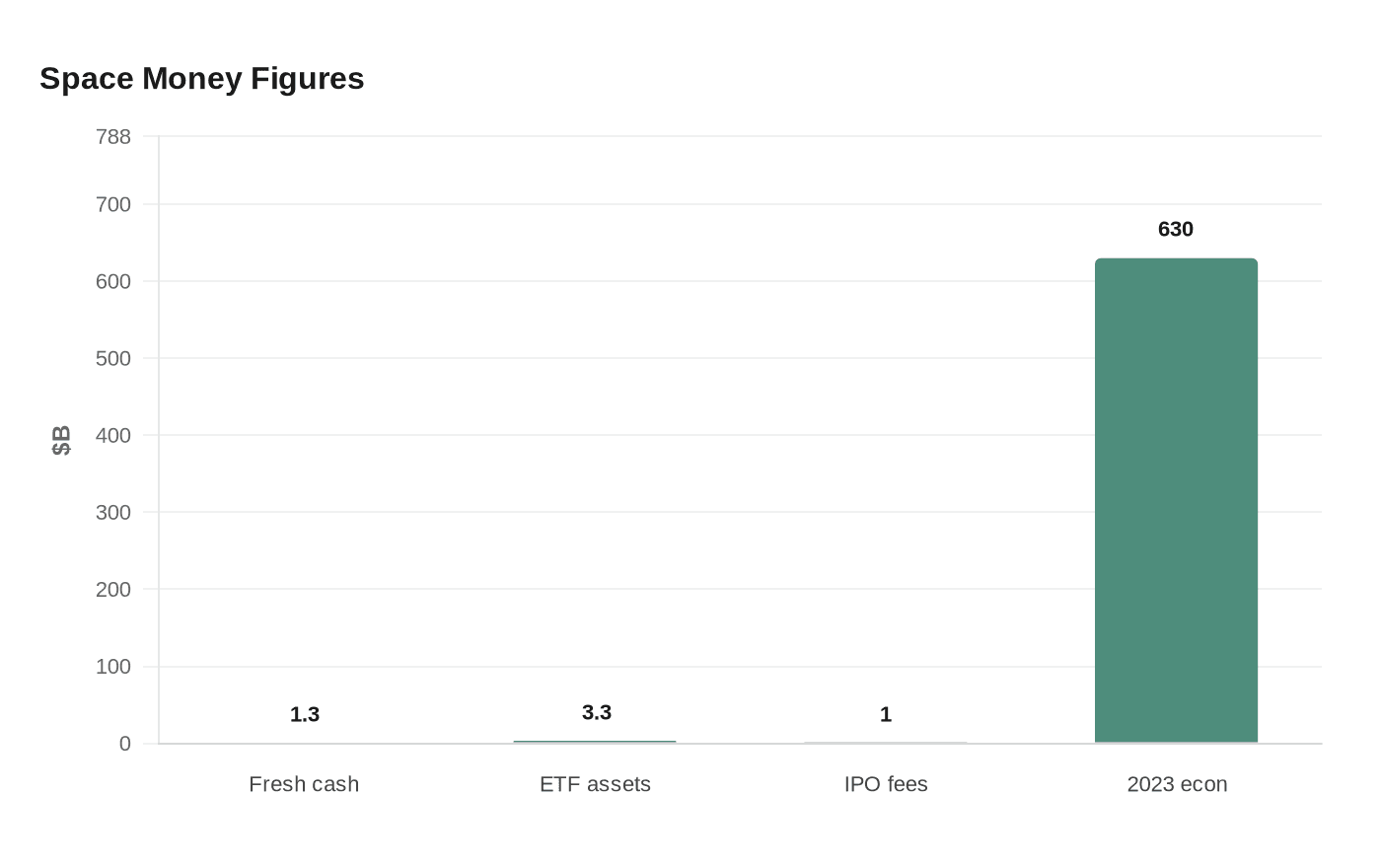
The market is also adjusting around the edges to make SpaceX easier to absorb once it lists. S&P Dow Jones Indices has been reported to be considering faster index inclusion and looser profitability rules, changes that could help the stock enter major benchmarks sooner. Behind the trade is a bigger industrial story: a World Economic Forum and McKinsey forecast put the global space economy at $630 billion in 2023 and $1.8 trillion by 2035, with growth driven by lower launch costs, broadband satellite connectivity, Earth observation and defense demand. For investors, the question is whether they are buying real exposure to that expansion, or simply paying up for the SpaceX brand before the stock even exists.
Know something we missed? Have a correction or additional information?
Submit a Tip