SpaceX eyes record $1.75 trillion listing, setting up Musk trillionaire path
SpaceX's $1.75 trillion listing would turn launches, Starlink and Starship into a public-market test of whether investors are buying a space firm or a strategic utility.
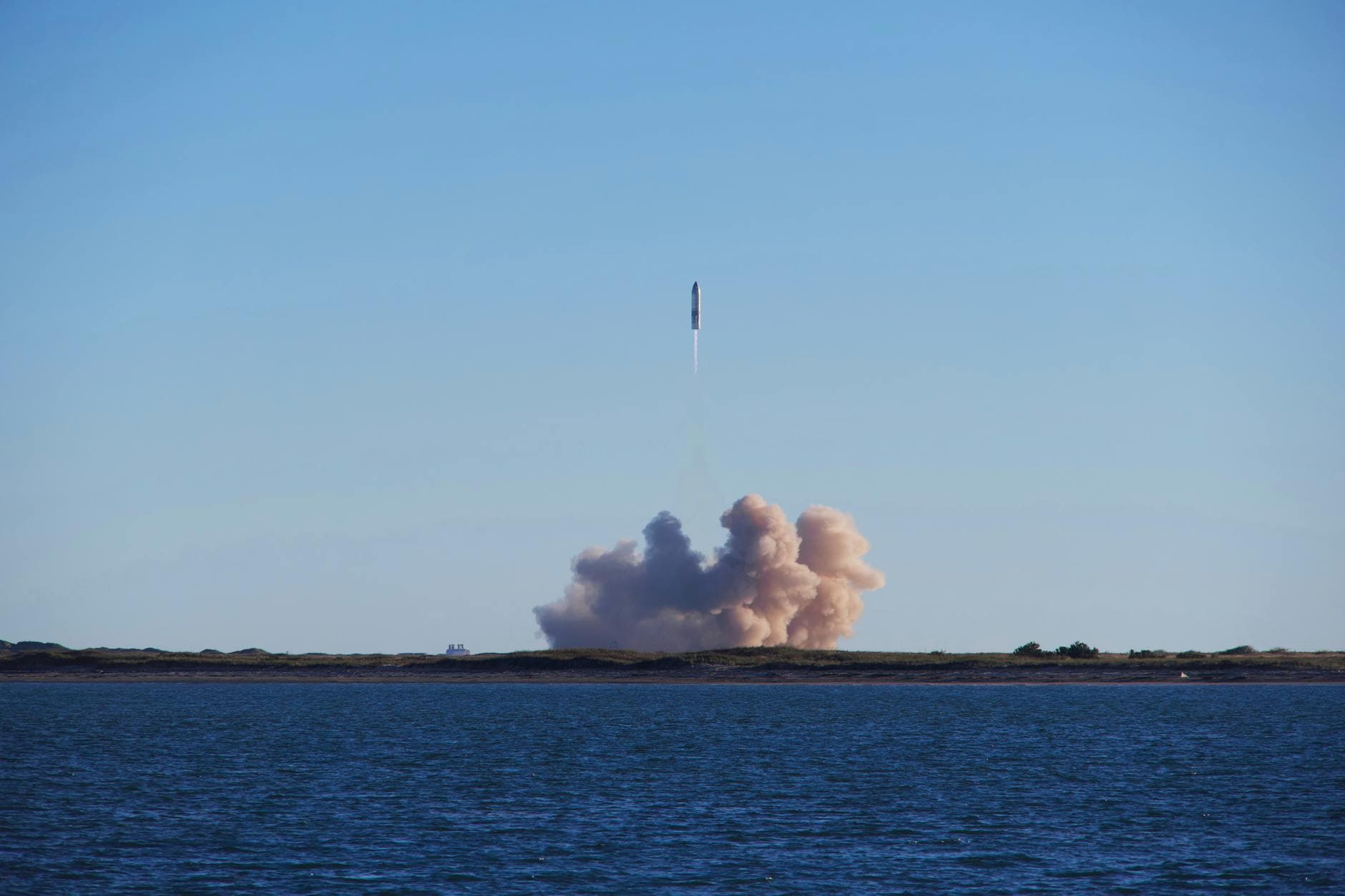
SpaceX is moving toward a public listing that could value the company at as much as $1.75 trillion, a scale that would make it the largest offering on record and push Elon Musk closer to a trillionaire milestone. The bigger question is not whether the float would be enormous, but what exactly investors would be buying: a rocket company, a satellite internet operator, or a strategic asset tied to U.S. launch capacity and national security.
The company has spent two decades building that case through technical milestones that few aerospace rivals can match. SpaceX says Falcon 9 is the world’s first orbital-class reusable rocket, a breakthrough it says has helped drive down the cost of access to space. NASA certified the Falcon 9 and Crew Dragon human spaceflight system on November 10, 2020, making it the first new commercial crew system to receive that approval. The Demo-2 mission, with astronauts Robert Behnken and Douglas Hurley aboard, launched from Launch Complex 39A at Kennedy Space Center on May 30, 2020, and NASA later said Crew-1 was the first of six certified crew missions under the Commercial Crew Program.
That history matters because it shows how deeply SpaceX is woven into U.S. space infrastructure. The company helped end sole U.S. reliance on Russia for routine astronaut transport to the International Space Station, while also building out Starlink into what SpaceX calls the world’s most advanced satellite constellation in low-Earth orbit. If the company does go public at the valuation now being discussed, the prospectus will force investors to confront how much of the business comes from launch services, how much from Starlink, and how much from longer-dated bets that may not generate meaningful cash for years.
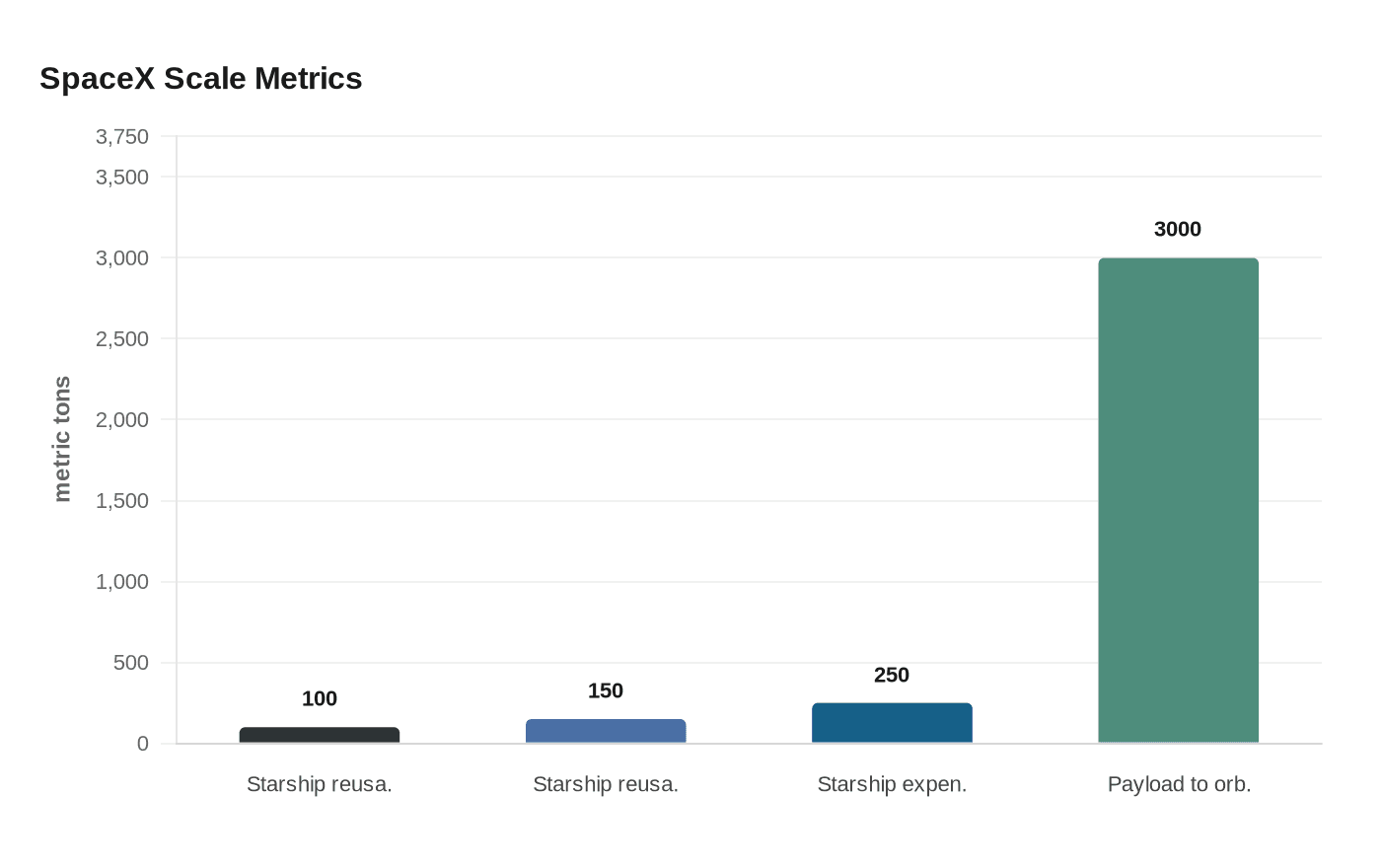
Those bets are far larger than rockets. SpaceX describes Starship as a fully reusable transportation system for Earth orbit, the Moon, Mars and beyond, with payload capacity of 100 to 150 metric tons fully reusable and 250 metric tons expendable. In recent updates, the company has gone further, arguing that space-based AI and orbital data centers are a long-term scaling strategy. It has also said that 2025 was the most prolific year in history for orbital launches, yet only about 3,000 tons of payload reached orbit, a reminder of how steep the mass problem remains for Moon bases, Mars settlements and orbital compute.
SpaceX’s launch cadence shows the company is still operating at full throttle, with Starlink missions filling its schedule across April and May 2026. For public investors, the offering would not just be a chance to own a famous aerospace name. It would be a vote on whether SpaceX is a conventional space business at all, or a future utility for orbit, data and power.
This article was produced by Prism’s automated news system from verified source data, official records, and press releases, then run through automated quality and moderation checks before publishing. The system is built and supervised by the people who set the standards it runs under. Read our full AI policy.
Did this article answer your question?

