SpaceX grounds Starship after booster failure in latest test flight
A Super Heavy booster failed after stage separation, sending Starship into an FAA mishap review and pausing the next launch. The test still hit key milestones.
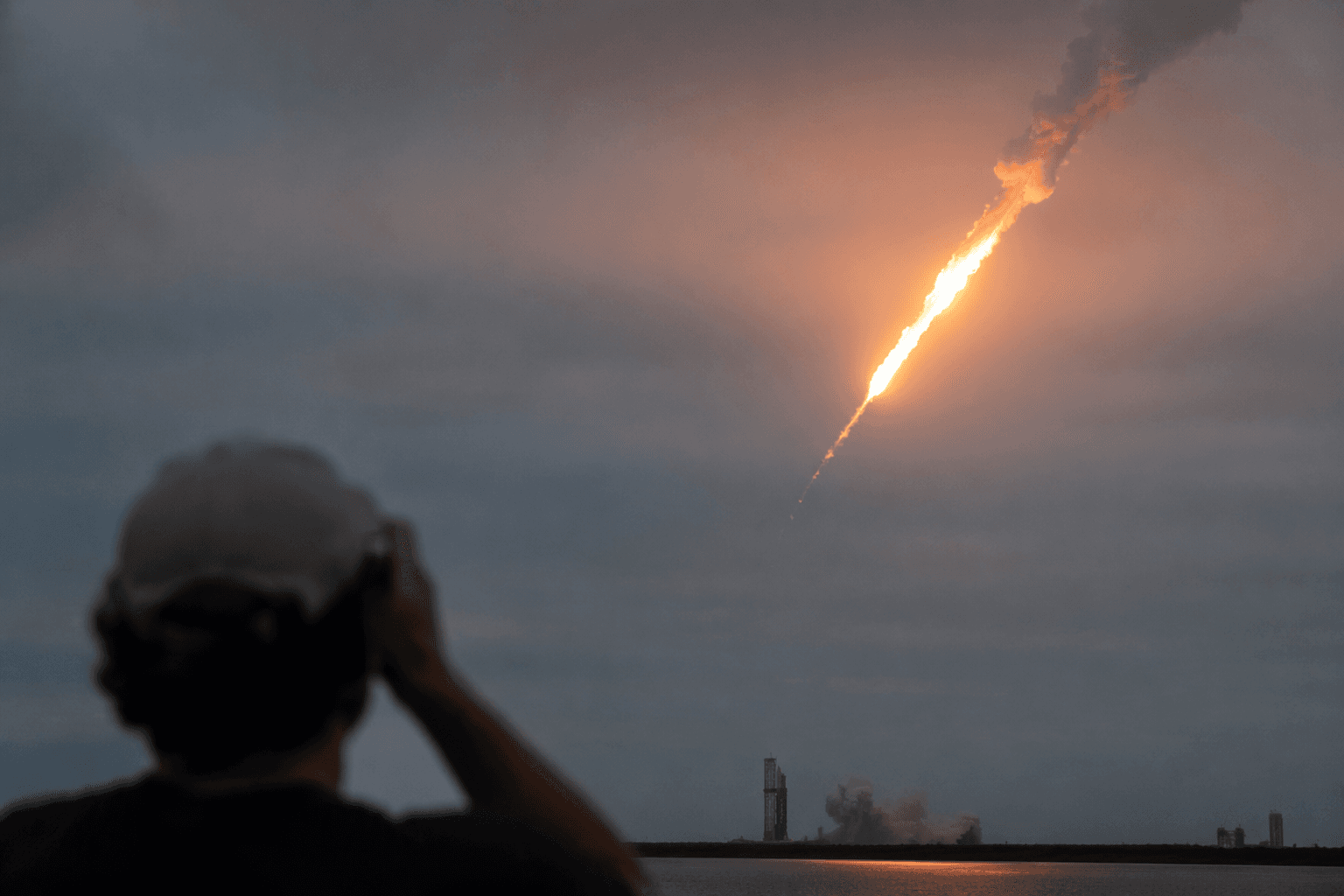
SpaceX has put Starship on hold after its Super Heavy booster failed in the latest test flight, forcing federal regulators and company engineers to sort through what went wrong before the next launch can clear the pad. The Federal Aviation Administration said May 27 that Starship Flight 12 was a mishap and ordered SpaceX to investigate, with the agency overseeing every step and approving the final report and corrective actions before a return to flight. No injuries or damage to public property were reported.
The 408-foot-tall rocket lifted off from Pad 2 at Starbase in South Texas and marked the first flight of the Starship and Super Heavy V3 vehicles, the first use of Raptor 3 engines and the first Starship launch from the new pad at Boca Chica Beach, Texas. Super Heavy lit all 33 Raptor 3 engines at liftoff, though one shut down during ascent. After stage separation, the booster attempted a boostback burn but could not relight all planned engines, ending in a hard splashdown in the Gulf of America. The flight came less than a day after a technical issue scrubbed the first try.
The upper stage kept going after the booster loss, flying halfway around the world and reaching its planned trajectory even after one of its six Raptor 3 vacuum engines failed during ascent. SpaceX said the ship still gathered critical heat-shield and structural data during reentry, deployed 20 Starlink simulators and two modified Starlink satellites that imaged Starship in space, and showed engine-out capability on a long-duration flight. The upper stage later landed and exploded in the Indian Ocean.
For Elon Musk, the stakes reach far beyond one booster recovery. SpaceX has spent more than $15 billion developing Starship, which sits at the center of the company’s push to cut launch costs, expand Starlink and support future lunar work, Mars ambitions and orbital AI data-center satellites. The latest failure is a reminder that the company’s test-fast philosophy can produce fast learning, but it also exposes how much the vehicle still has to prove on reuse and controlled recovery. SpaceX has caught Super Heavy only twice before, on Flight Test 5 in October 2024 and Flight Test 7 in January 2025, and the next launch will need to show that those recoveries are becoming routine rather than rare.
This article was produced by Prism’s automated news system from verified source data, official records, and press releases, then run through automated quality and moderation checks before publishing. The system is built and supervised by the people who set the standards it runs under. Read our full AI policy.
Did this article answer your question?


