SpaceX IPO would keep Musk in extraordinary control, Reuters says
Musk could sell shares and still keep 83.8% of SpaceX voting power, leaving public investors with money at risk and little say. Public ownership would not mean public control.
Elon Musk would keep 83.8% of SpaceX’s voting power while owning 42.5% of the equity, a structure that would let the company tap public markets without handing outside investors real control.
SpaceX’s confidential prospectus, filed in April 2026, lays out a public offering built to preserve founder rule. Musk would remain chief executive officer, chief technology officer and chairman of SpaceX’s nine-member board after the stock starts trading later this year. Insiders would hold super-voting shares carrying 10 votes per share, while public investors would get just one vote per share.
That makes the offering look less like a traditional IPO than a capital raise wrapped in a control lock. The company would be public in name, but the usual levers of shareholder power would be sharply reduced. SpaceX plans mandatory arbitration, which would push disputes out of court and limit class actions and jury trials. It also wants stricter limits on shareholder proposals and is seeking controlled company status, which can exempt it from some standard requirements for a majority-independent board and independent compensation and nominating committees. The filing still calls for an all-independent audit committee.
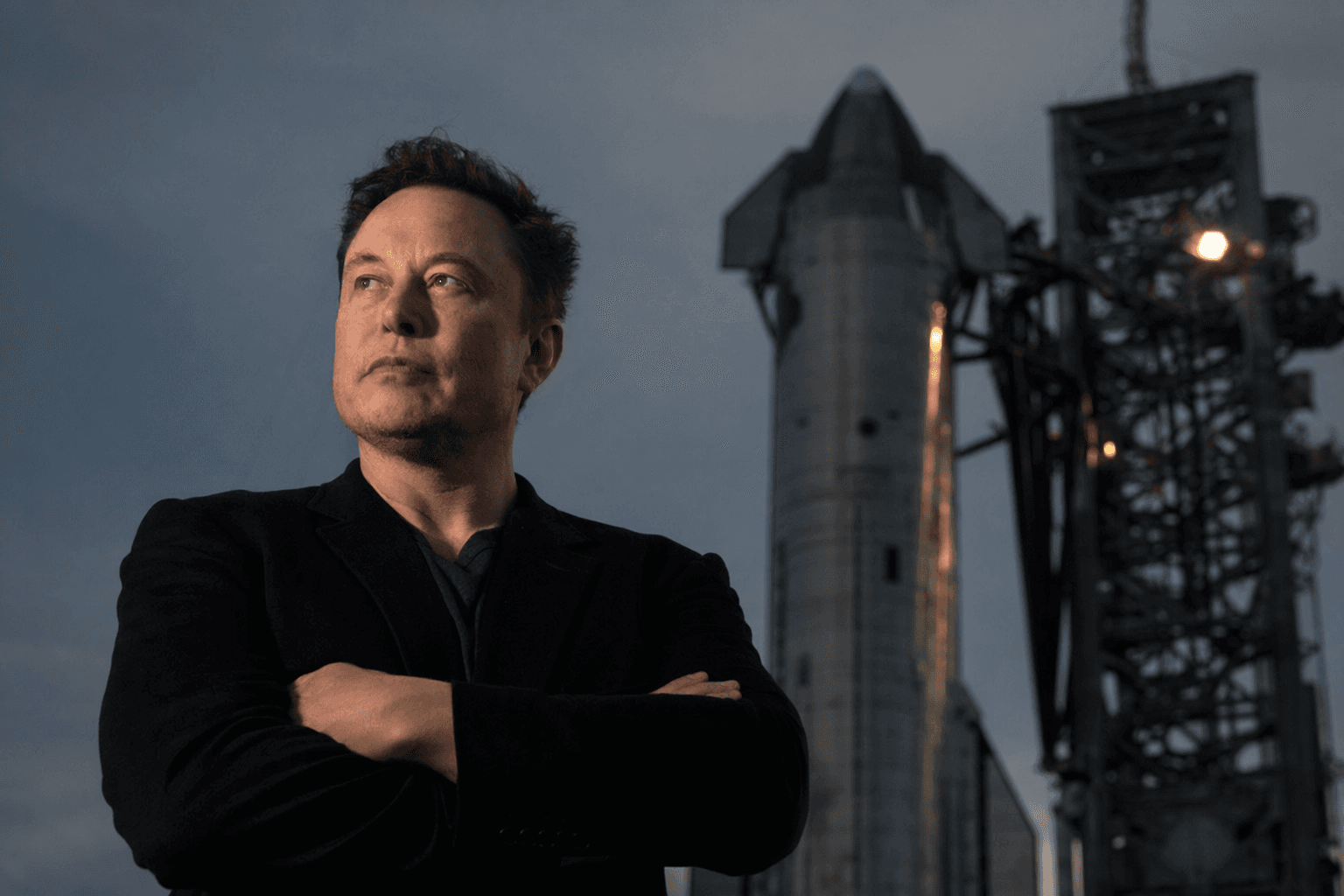
Texas corporate law adds another layer of protection for incumbents. Its anti-takeover provisions can make hostile bids, proxy contests and efforts to remove directors harder, giving Musk and other insiders even more room to dictate the company’s direction. In plain English, the structure would make it far harder for a dissatisfied shareholder to sue, vote out directors or force governance changes.
The bargain on offer is clear: investors would get exposure to one of the most coveted listings in the market, but they would do so with far fewer rights than they would expect at a normal public company. The governance design appears to answer a single question in Musk’s favor: how to raise public money without surrendering real control.
The timing also reflects Musk’s broader corporate strategy. His recent fight over compensation at Tesla, and the Delaware court rulings that turned it into a flashpoint, helped push Tesla toward Texas. SpaceX’s choice of Texas law suggests Musk wants a jurisdiction that is more founder-friendly and less willing to let shareholders or courts intervene.
If this structure stands, it could become a template for other founder-led companies seeking public capital while keeping tight command. For retail investors, the message is simple: access to SpaceX would come with a steep tradeoff in rights, and Musk would remain firmly in the driver’s seat.
This article was produced by Prism’s automated news system from verified source data, official records, and press releases, then run through automated quality and moderation checks before publishing. The system is built and supervised by the people who set the standards it runs under. Read our full AI policy.
Did this article answer your question?
%3Amax_bytes(150000)%3Astrip_icc()%2FCertificate-of-deposit-2301f2164ceb4e91b100cb92aa6f868a.jpg&w=1920&q=75)