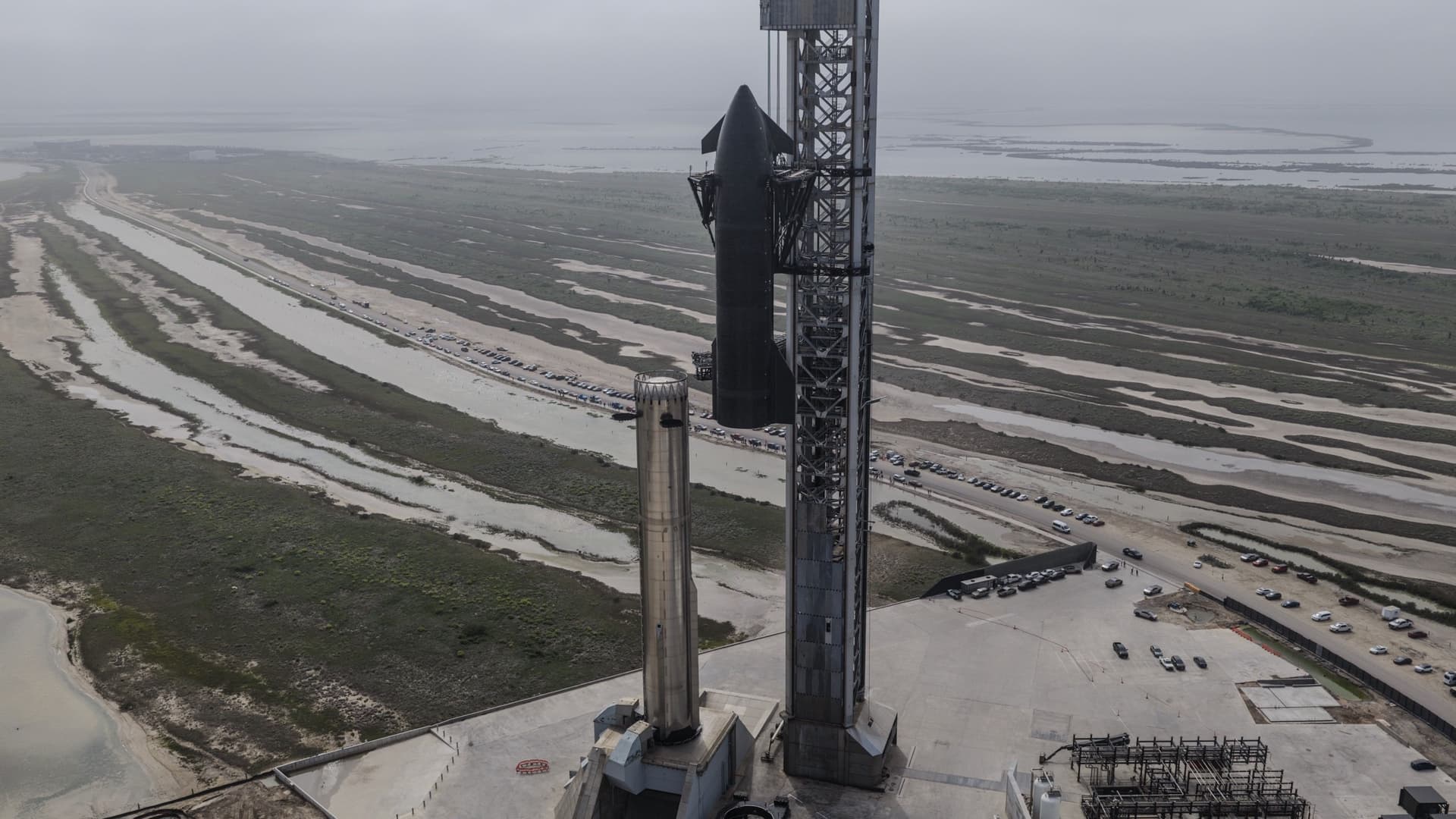
SpaceX launches upgraded Starship test ahead of blockbuster IPO
SpaceX’s upgraded Starship cleared key test goals Friday, but propulsion and booster problems showed how much risk still hangs over Elon Musk’s IPO pitch.
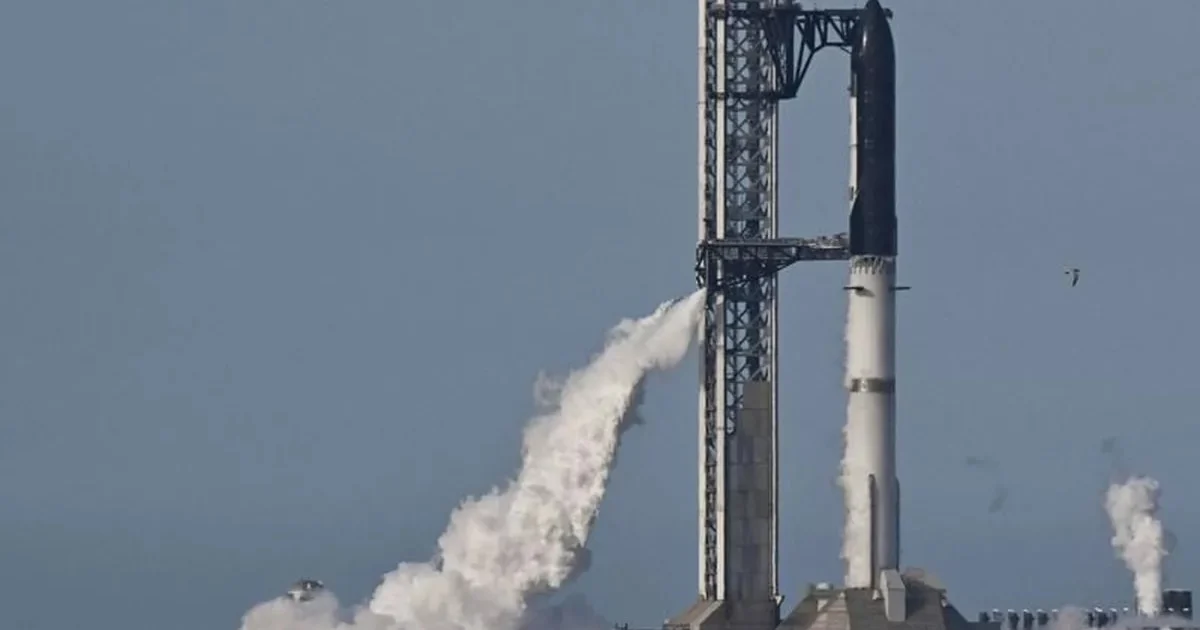
SpaceX’s upgraded Starship cleared another milestone Friday, but the flight also laid bare the technical gaps investors would have to underwrite as the company moves toward a Nasdaq listing under the ticker SPCX.
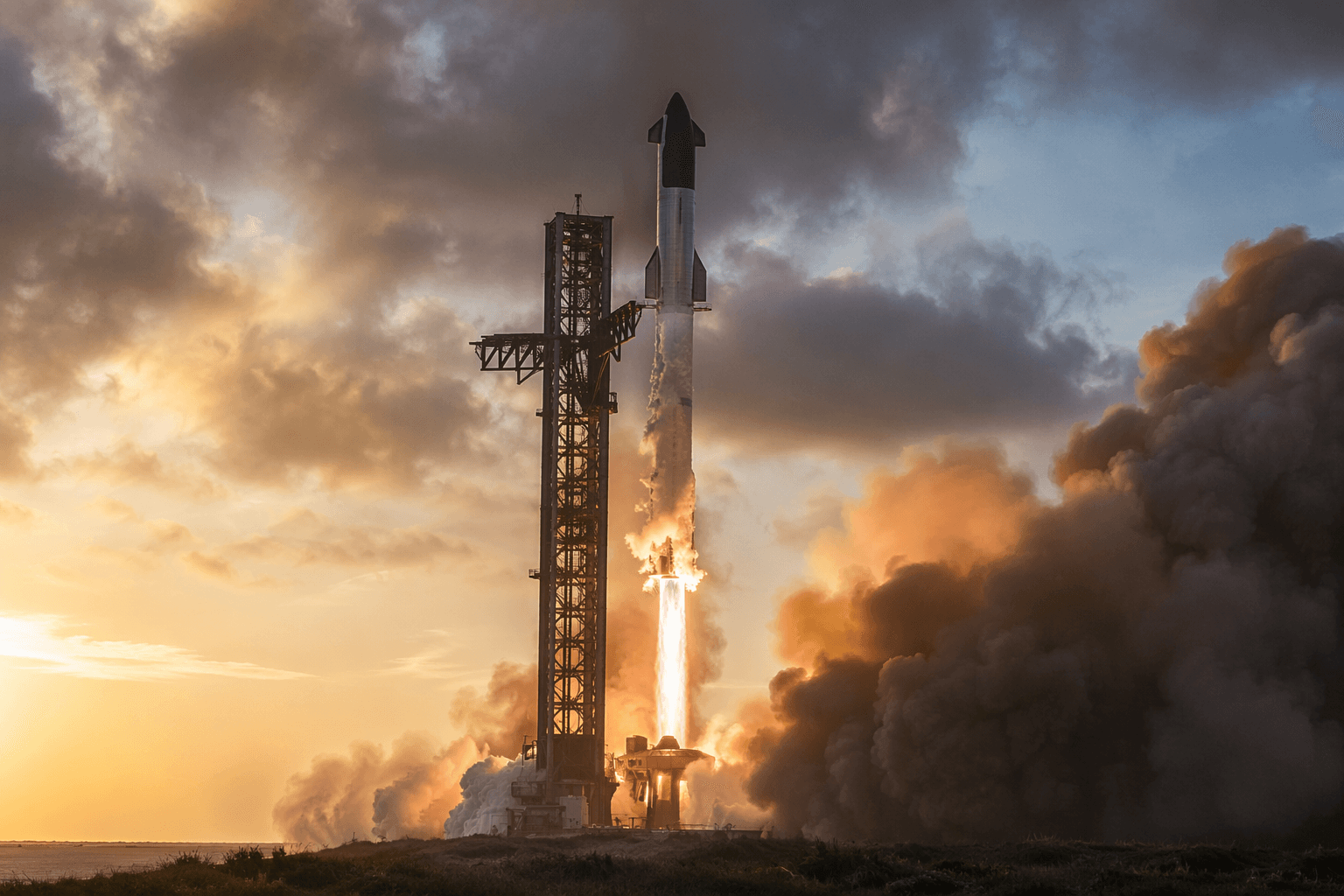
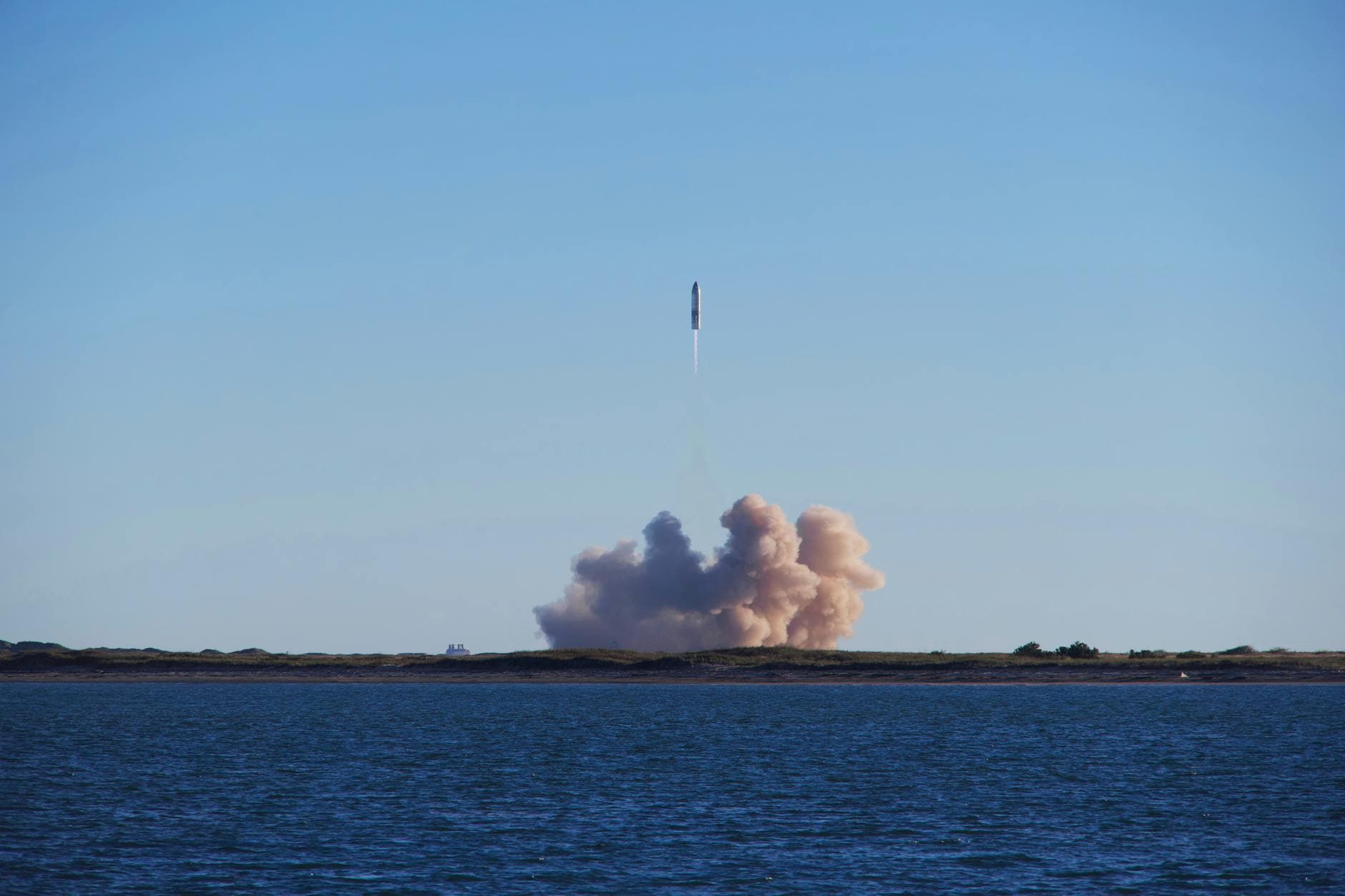
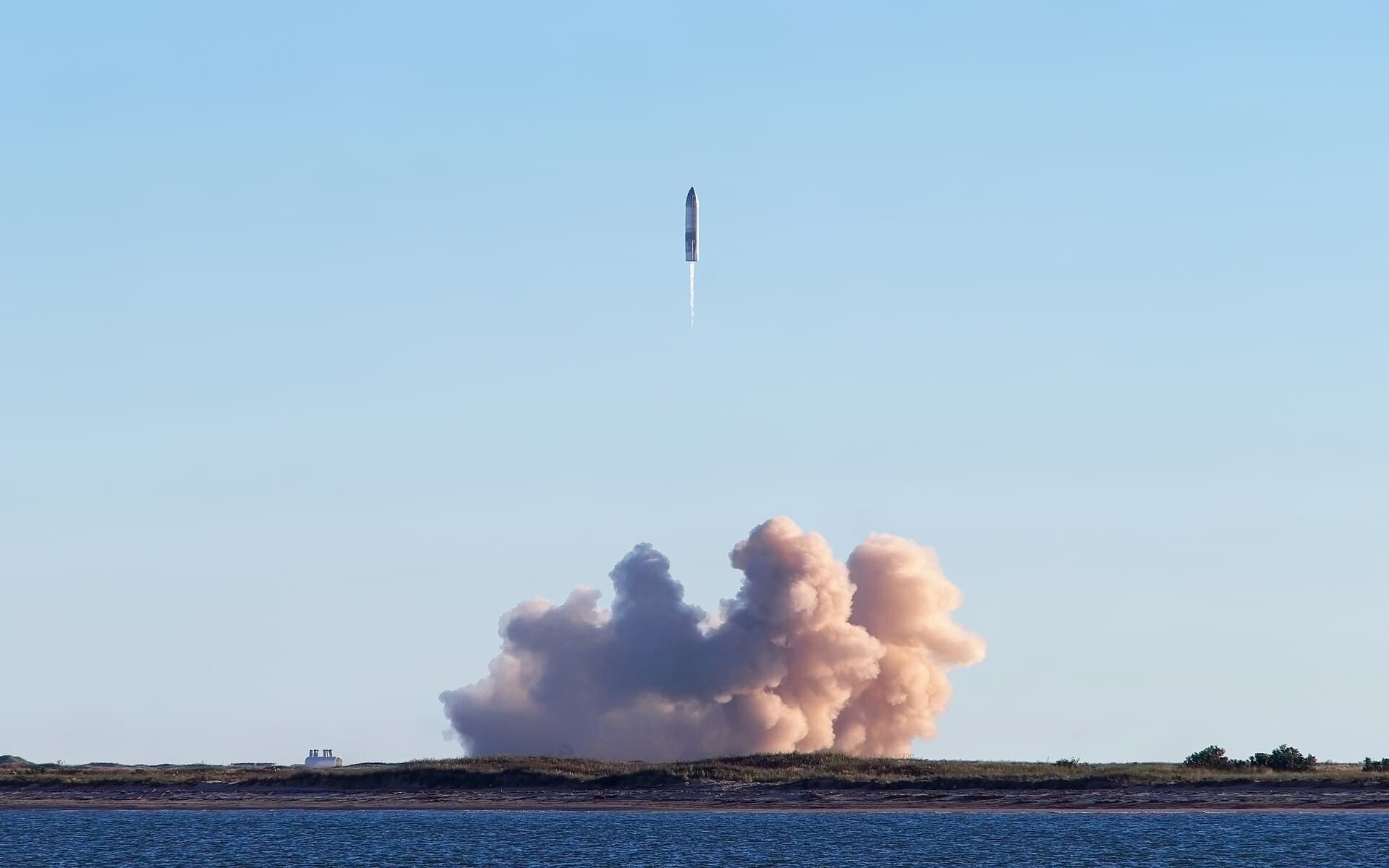
The 12th Starship test launch marked the debut of Starship V3, lifted off from a new pad at SpaceX’s Starbase facility in South Texas, and came a day after a Thursday scrub forced the company to stand down over technical and countdown issues. SpaceX said the rocket hit several objectives, including a long-duration flight and dummy-satellite deployment, yet reports also pointed to propulsion and booster problems after separation that the system still has not solved.
That tension goes to the heart of SpaceX’s public-market case. The company’s IPO filing became public Wednesday, May 20, 2026, revealing its finances for the first time and setting up what could be one of the most closely watched offerings in recent memory. SpaceX has said it has spent more than $15 billion developing Starship, a sum that underscores how much capital has already gone into a rocket that remains central to Elon Musk’s plans for cutting launch costs, expanding Starlink and eventually reaching the Moon and Mars.
The Friday launch mattered because it was not just another test flight. It was the first flight of a third version of the vehicle, launched from a new pad, after months of Starship delays. That suggests SpaceX is still iterating aggressively rather than settling into routine operations. For a rocket program that is meant to be reusable and economically transformative, the difference between an isolated success and a repeatable system is the difference between an engineering milestone and a credible business model.
Investors will now have to judge whether Starship’s progress is fast enough to justify the risk. The flight showed the vehicle can still deliver on ambitious test objectives, but the remaining separation and booster issues suggest the rocket has not yet reached the level of operational maturity needed for regular orbital work. In IPO terms, SpaceX is asking the market to value not just what Starship has done, but what it may eventually become.
That is why the latest test carries weight beyond the launch site at Starbase. SpaceX is pitching a company built around a rocket system that could reshape launch economics, fuel Starlink’s growth and support eventual deep-space missions. Friday’s flight moved that story forward, but it did not remove the central question: how much execution risk public investors should be asked to absorb while Starship is still being built in public.
Know something we missed? Have a correction or additional information?
Submit a Tip