SpaceX set to break IPO record with $75 billion offering
SpaceX priced its IPO at $135 a share, setting up a $75 billion raise that would nearly triple Saudi Aramco’s record and value the company at about $1.77 trillion.
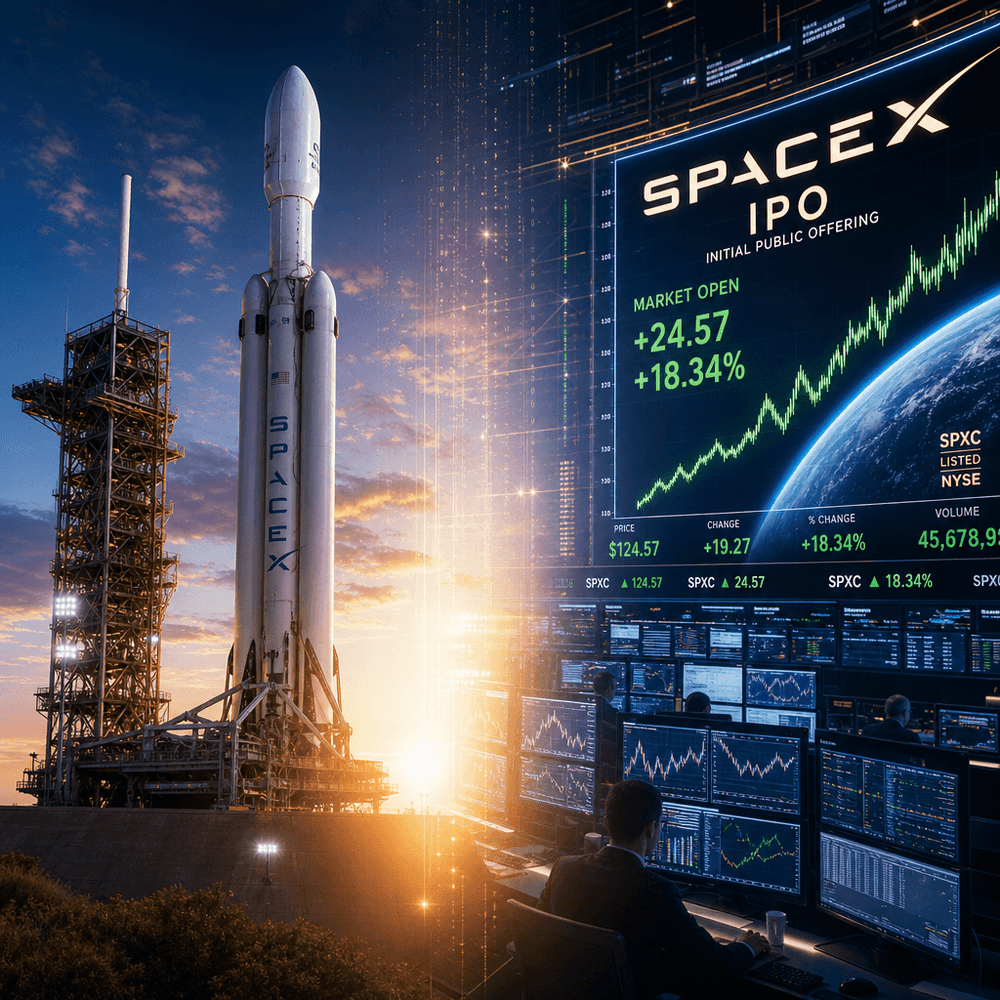
SpaceX priced its initial public offering at $135 a share and was set to begin trading on Nasdaq under the ticker SPCX, a debut that would raise about $75 billion and value the company at roughly $1.77 trillion. If those numbers hold, the offering would become the largest IPO in history and push SpaceX into the top tier of the world’s most valuable public companies.
The scale alone marks a sharp break from the last great stock market launch. Saudi Aramco had held the fundraising record since December 2019, when it raised $25.6 billion. SpaceX’s deal would bring in nearly three times as much, breaking a record that had stood for about six years and resetting expectations for what a public debut can command.
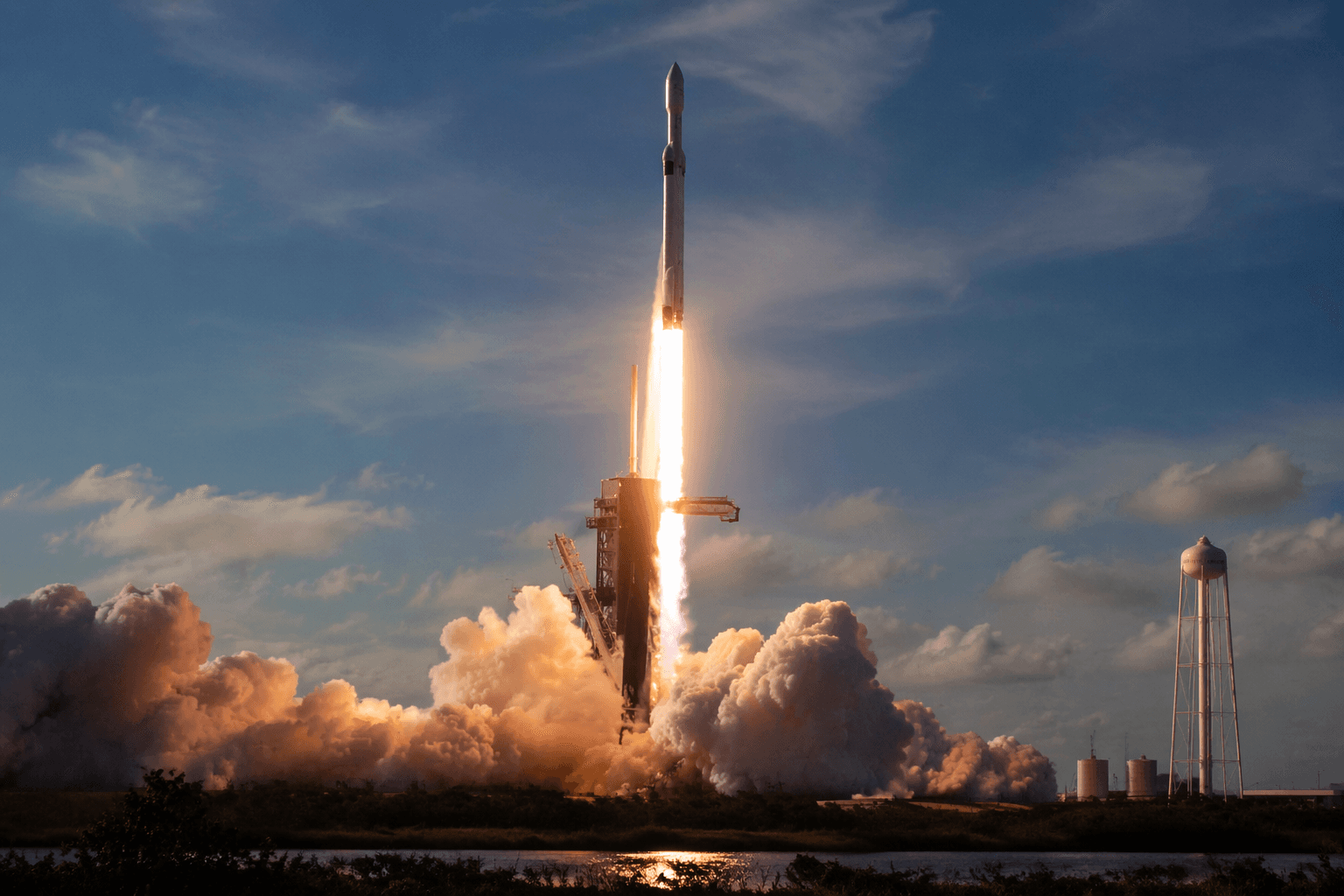
But the real test is not just size. Investors are being asked to underwrite Elon Musk’s ambitions across space, communications and AI, a combination that has made SpaceX one of the most closely watched companies in the market. The offering has been framed as a referendum on Musk’s leadership as much as a capital-markets milestone, with the pricing implying confidence that the company can justify a valuation once reserved for the largest global technology and energy giants.
That valuation is itself part of the debate. Some coverage had placed SpaceX in a $1.75 trillion to $2 trillion range before pricing, and the final number near $1.77 trillion suggests the market is still willing to stretch for growth, scale and Musk’s brand. The question for public investors is whether that price assumes too much of a business still dependent on long-dated execution, heavy capital needs and sustained demand for its launch and communications platforms.
SpaceX also departed from the usual IPO playbook by aiming for a far larger retail allocation than most public listings. About 30% of shares were said to be reserved for retail buyers, compared with the typical 5% to 10%, a sign that underwriters expect unusually broad demand and that the company wants a wide base of first-day buyers. Faster-than-expected SEC review also helped accelerate the timetable, bringing the listing to market sooner than many expected.
For all the superlatives, the debut will answer a simpler question: whether investors see SpaceX as a transformational public franchise or a peak-hype moment priced for perfection. The opening trade on Friday will not settle that verdict, but it will show how much of Musk’s next chapter the market is still willing to finance.
This article was produced by Prism’s automated news system from verified source data, official records, and press releases, then run through automated quality and moderation checks before publishing. The system is built and supervised by the people who set the standards it runs under. Read our full AI policy.
Know something we missed? Have a correction or additional information?
Submit a Tip