SpaceX readies Starship test flight to deploy 20 Starlink V3 satellites
SpaceX is set to fly Starship with 20 Starlink V3 satellites, six carrying cameras, in its sharpest test yet of the ship's heat shield and booster hardware.
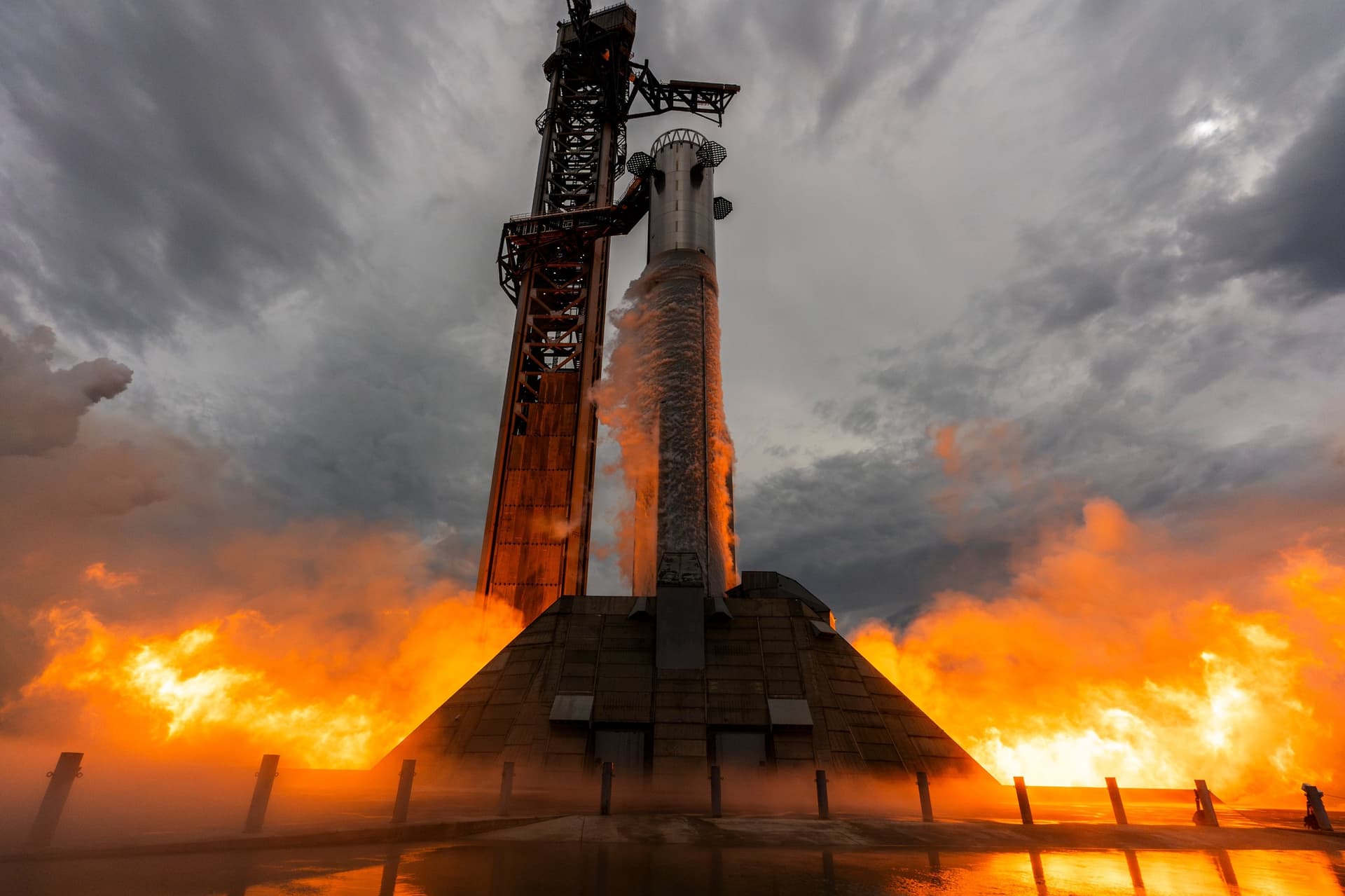
SpaceX says Starship Flight 13 could launch as soon as Thursday from Starbase in South Texas, with a 90-minute window opening at 5:45 p.m. CT and a webcast beginning about 30 minutes before liftoff. The mission is being framed as a tougher proof of reliability for the giant rocket, not just another spectacle, because it will push the vehicle under higher-pressure conditions while carrying its first operational-style Starlink payload.
The flight is expected to deploy 20 next-generation Starlink V3 satellites, and six of them will be modified with cameras to image Starship’s heat shield. Those cameras are meant to help SpaceX judge how well the shield holds up for future return-to-launch-site attempts, a key step if Starship is to move from experimental flights toward routine reuse. SpaceX says the V3 satellites are much more powerful than earlier versions and that each V3 launch will add more than 20 times the capacity of current Falcon launches carrying Starlink V2 satellites.
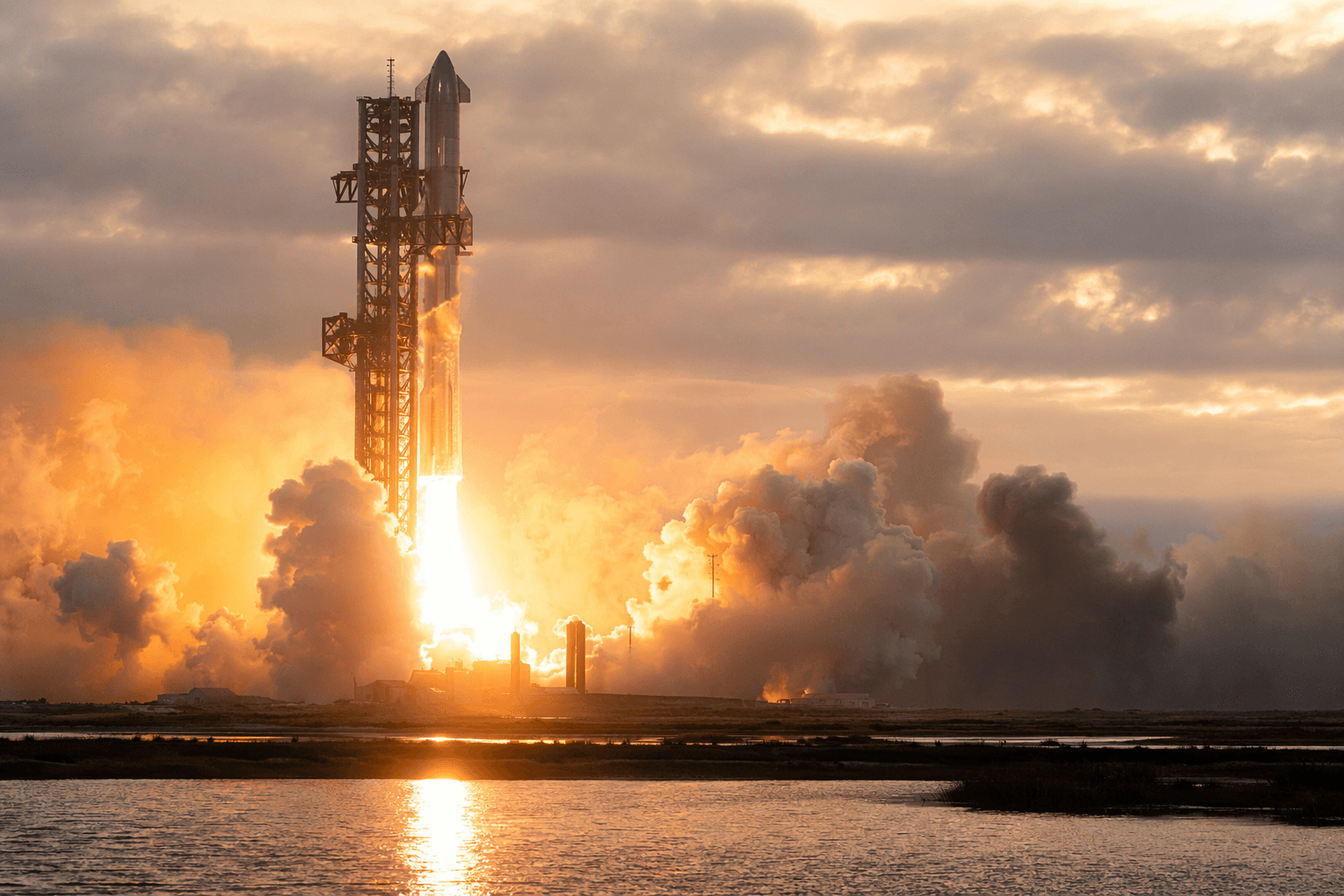
Flight 13 will also test hardware changes designed to make the vehicle more durable under stress. SpaceX says the newest Starship version will be run through conditions that expose the booster forward dome directly to the upper stage’s Raptor engines during ignition, increase internal booster tank pressure, and retract interstage actuators to better shield them from exhaust. That combination makes the mission a closer approximation of the loads Starship will face if SpaceX wants to keep raising cadence without another round of major redesigns.
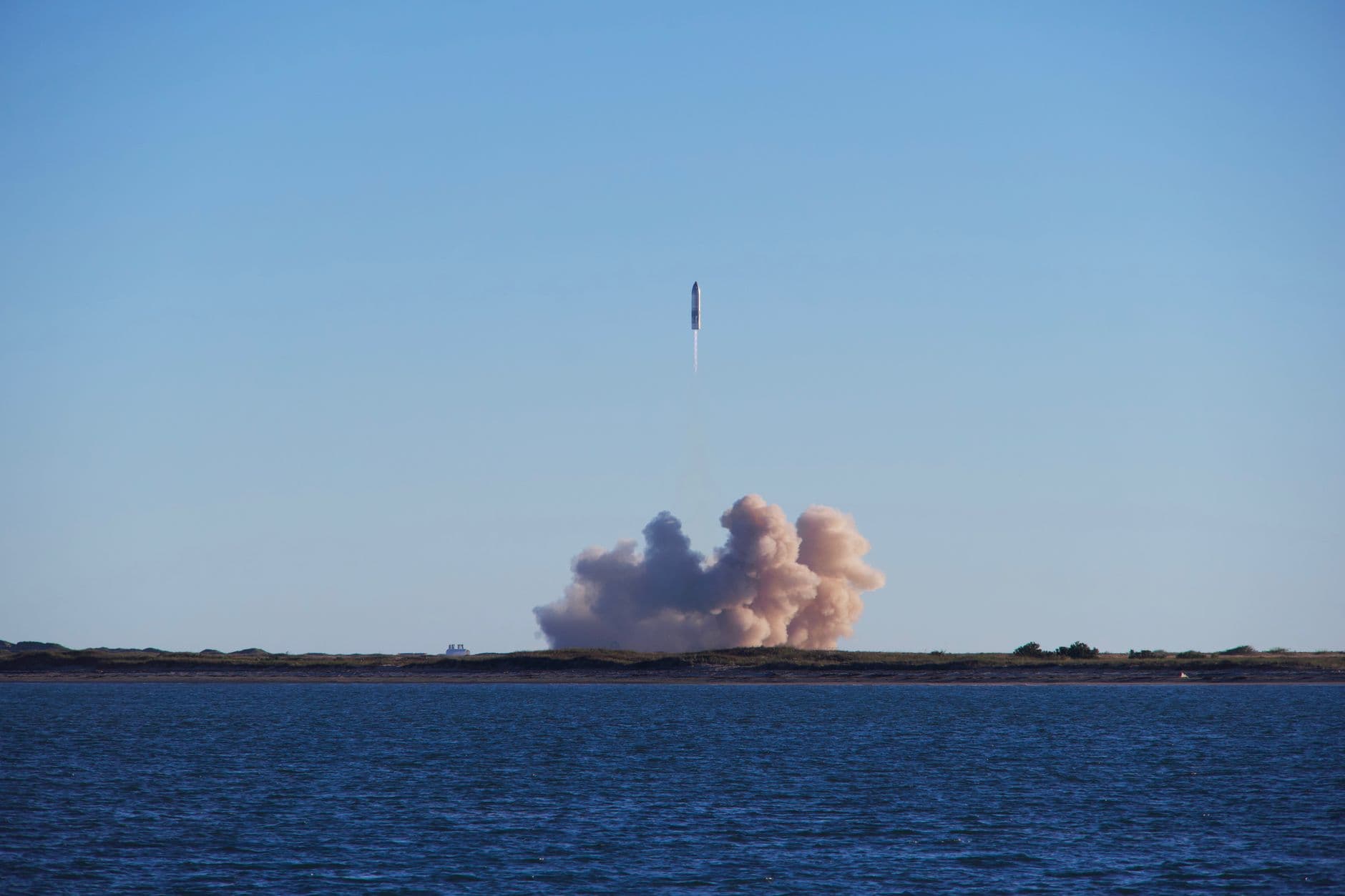
The flight follows Starship Flight 12 on May 22, 2026, the first mission for the Starship and Super Heavy V3 vehicles, the Raptor 3 engines and Pad 2 at Starbase. Flight 12 was also the first Starship flight to deploy modified Starlink satellites to image the vehicle in space. On July 13, the Federal Aviation Administration closed the Flight 12 mishap investigation and said Flight 13 could proceed, with no reports of public injury or damage to public property. The agency’s earlier closure of the April 20, 2023 Starship-Super Heavy mishap cited 63 corrective actions, underscoring how each failure has forced SpaceX to work through a long list of fixes before returning to flight.
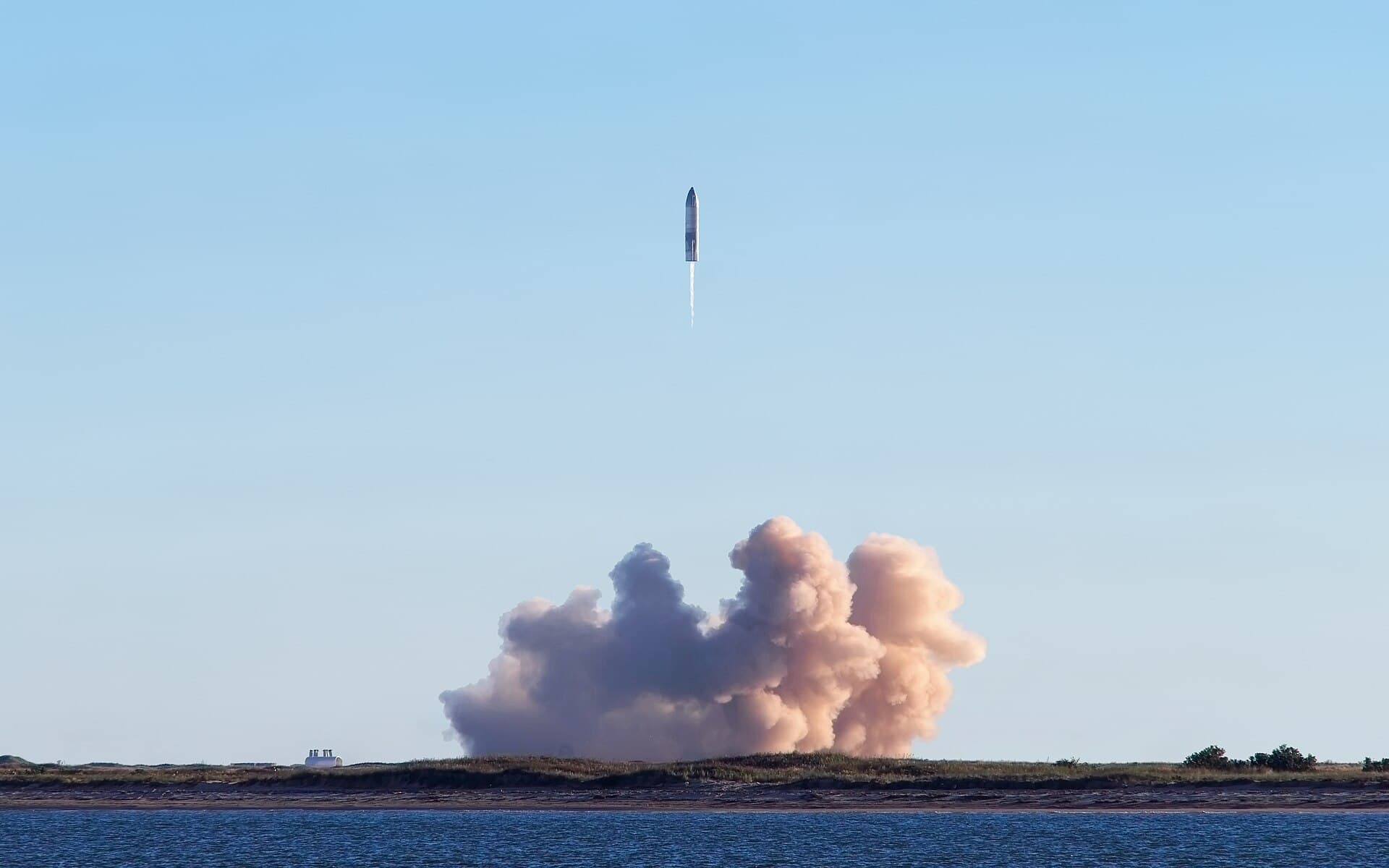
Starship remains SpaceX’s fully reusable transportation system for Earth orbit, the Moon, Mars and beyond, and SpaceX says the vehicle is designed to carry more than 100 metric tonnes to orbit in that reusable configuration. For NASA, Starlink and the broader launch market, the next test is whether the rocket can keep advancing on payload delivery and hardware durability at the same time.
This article was produced by Prism’s automated news system from verified source data, official records, and press releases, then run through automated quality and moderation checks before publishing. The system is built and supervised by the people who set the standards it runs under. Read our full AI policy.
Did this article answer your question?