SpaceX rocket stage expected to slam into Moon’s far side
A four-ton SpaceX upper stage was due to hit the Moon’s far side with no obvious flash seen from Earth, underscoring how hard lunar impacts are to verify in real time.
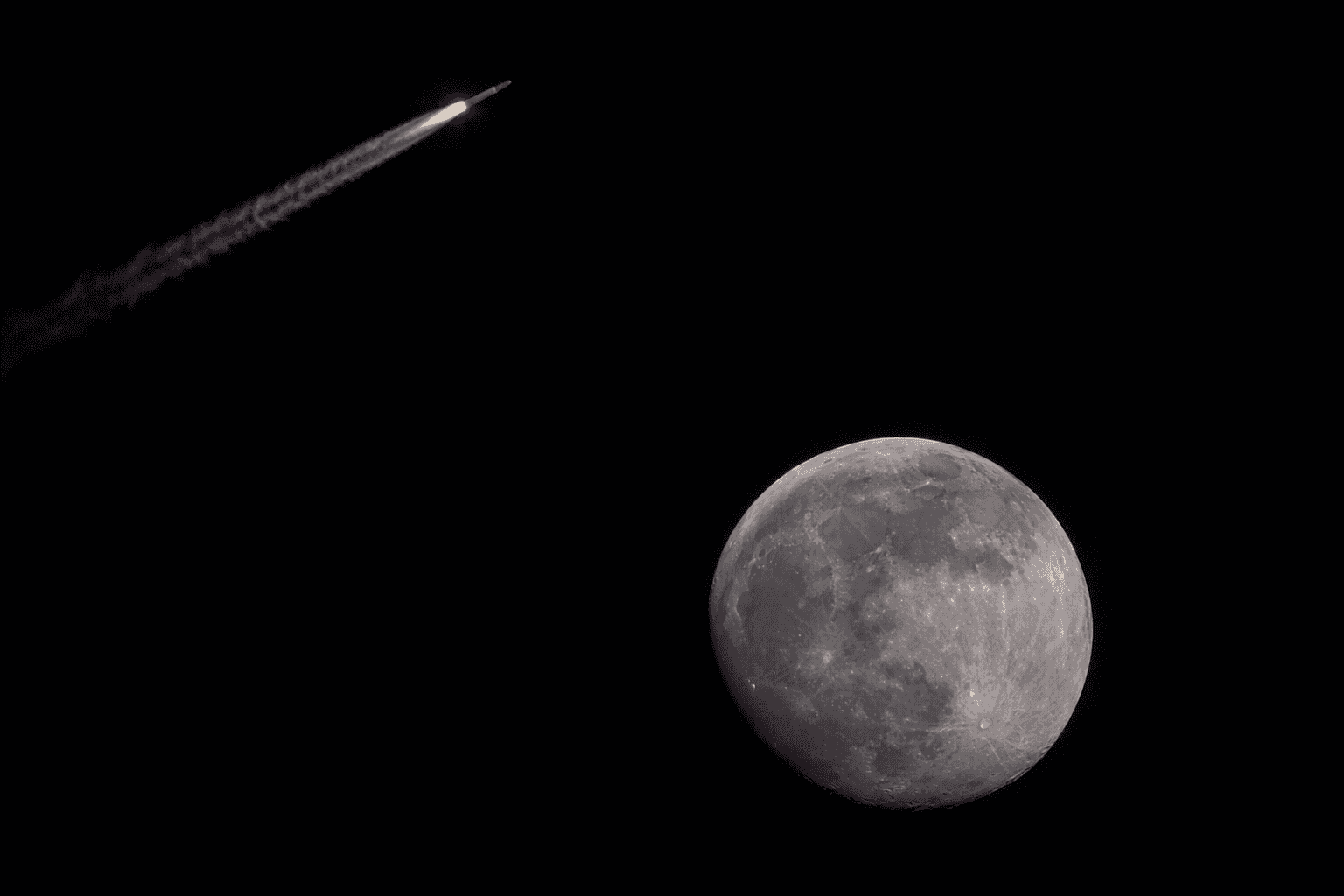
A roughly four-ton SpaceX Falcon 9 upper stage was due to hit the Moon’s far side near Einstein crater at about 06:35 UTC, and amateur as well as professional astronomers watching the site saw no obvious collision signs right away. The missed visual payoff was the point: a large human-made impact can be predicted to the minute and still leave Earthbound observers waiting for proof.
The stage was left over from a January 15, 2025 mission that launched two private lunar landers. At an estimated impact speed of about 8,700 km/h, the object was expected to hit with enough energy to carve a crater about 27 meters across, with some estimates suggesting it could loft lunar dust as high as 100 km. Even with those figures, the first evidence may not come from a telescope on Earth at all.
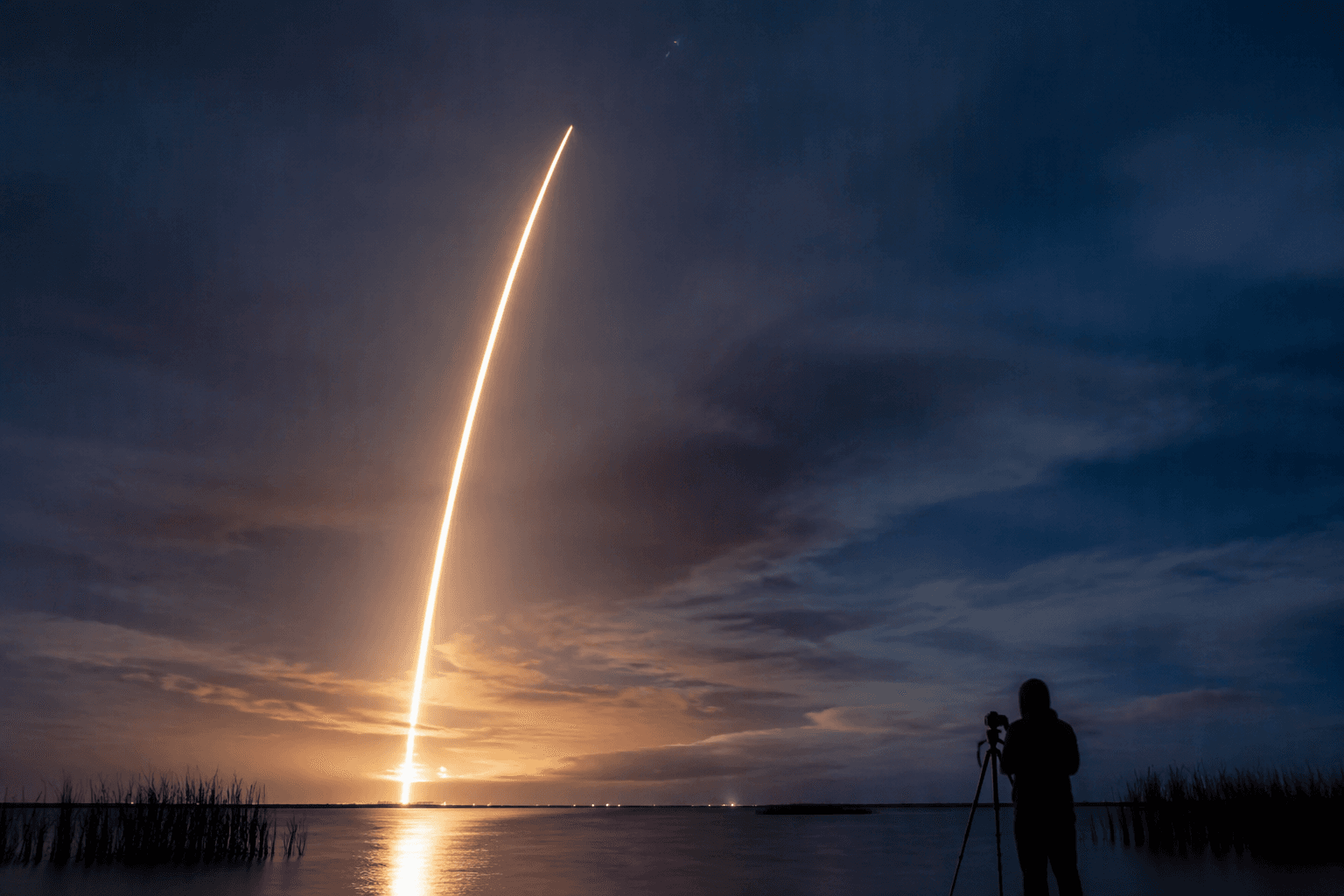
NASA’s Lunar Reconnaissance Orbiter has been one of the main tools for checking what actually happened after lunar crashes. The spacecraft imaged the site of a March 4, 2022 accidental rocket collision on the Moon, the last confirmed case of a rocket stage striking the lunar surface before this one. It has also been used to examine impact sites tied to China’s Chang’e 4 landing area, Japan’s SLIM lander site, the HAKUTO-R Mission 1 crash site and Russia’s Luna-25 crater.
That makes the current event less a spectacle than a test of the limits of space surveillance. Telescopes can track a rocket stage on a collision course and estimate its speed and target, but the Moon’s far side is hard to monitor continuously, and a visible flash or fresh scar is not guaranteed from Earth. The uncertainty matters as lunar traffic grows and more missions leave hardware behind in orbit or on escape paths that can still intersect the surface.
The Moon impact posed no danger to Earth, but it revived scrutiny of space junk and how leftover launch hardware is disposed of after missions. NASA and SpaceX have been studying ways to prevent future upper-stage lunar collisions, a reminder that the catalog of human activity on the Moon is expanding faster than the tools used to document it.
This article was produced by Prism’s automated news system from verified source data, official records, and press releases, then run through automated quality and moderation checks before publishing. The system is built and supervised by the people who set the standards it runs under. Read our full AI policy.
Did this article answer your question?