SpaceX tests Starship Version 3, key to NASA moon plans
Starship Version 3 lifted SpaceX a step closer to NASA’s moon lander plan, but orbital refueling and reliability still stand in the way.

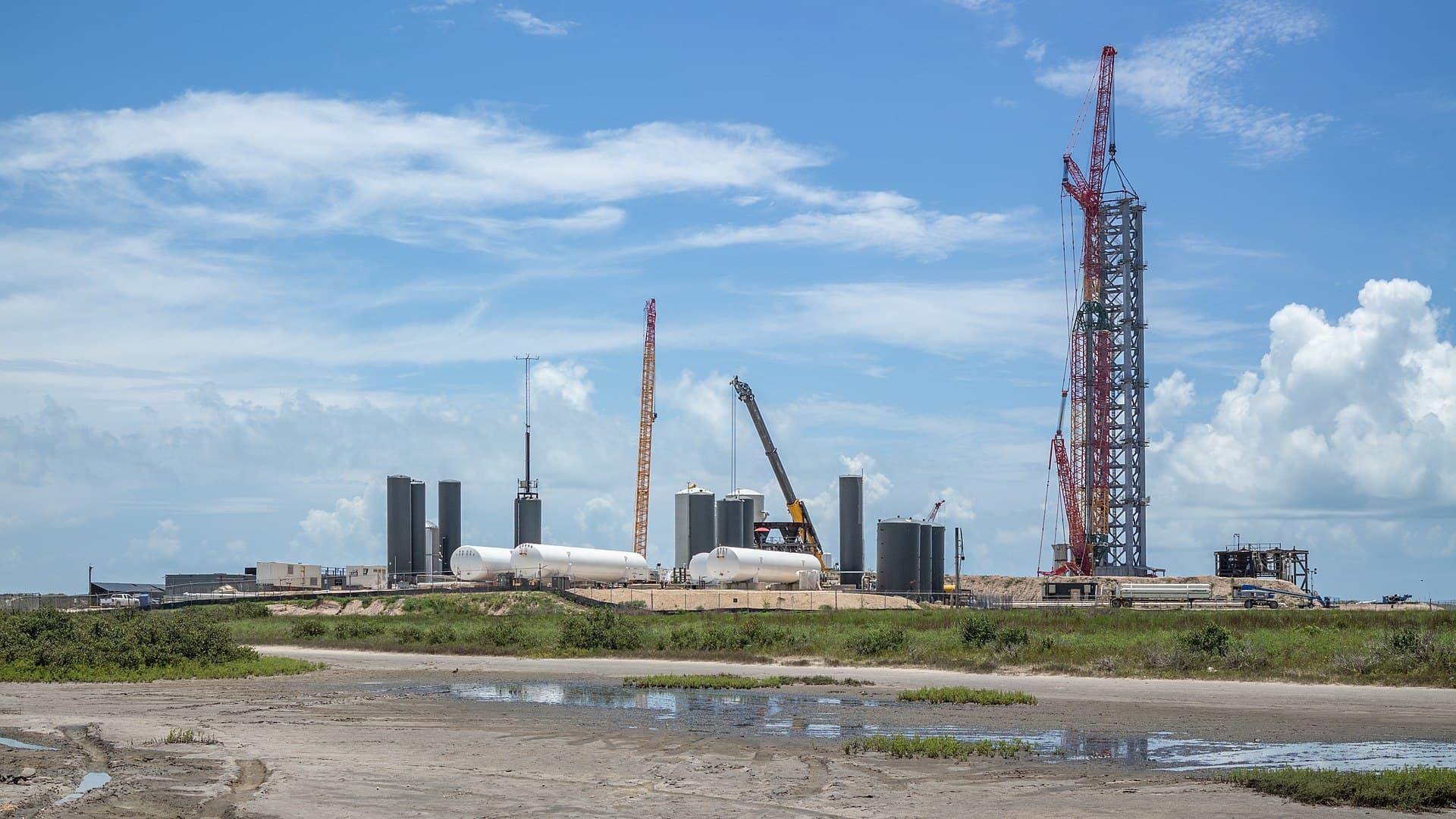
SpaceX sent Starship Version 3 aloft from Starbase in southern Texas, a test of the giant rocket NASA is counting on for its next lunar landing plan. The flight marked the 12th integrated Starship test and came from a new launch pad built to handle repeated launches of the company’s largest vehicle.
The upgraded rocket stood about 407 feet tall and used Raptor 3 engines. SpaceX said the Super Heavy booster could generate up to 18 million pounds of thrust, roughly twice the liftoff power of NASA’s Space Launch System moon rocket. The latest booster also used three larger grid fins instead of four, part of the company’s push to make the system more durable and more reusable.
The launch had been delayed by a last-minute scrub the day before, after a minor glitch in a launch pad system and weather delays. SpaceX had targeted liftoff for 6:30 p.m. Eastern time, with forecasts showing an 85 percent chance of favorable conditions. The new pad at Starbase, near Brownsville, was designed to better withstand the strain of the company’s rapid test cadence.

For NASA, the stakes reach far beyond one rocket. The space agency has awarded SpaceX nearly $4.4 billion to build a Starship-based lunar lander for Artemis III, the mission intended to put astronauts back on the Moon. NASA has continued to target 2027 for Artemis III, even as SpaceX has worked through delays and the agency has adjusted the mission into an Earth-orbit rendezvous architecture as an interim step.
That shift underscores how much of America’s public space agenda now rests on one private company’s execution. Starship is still a test program, not a mission-ready lunar lander, and the hardest hurdles remain orbital refueling and flight reliability before astronauts can trust it for a landing mission. Reporting in May 2026 also said NASA opened the moon landing contract to other bidders, reflecting concern over mounting delays in SpaceX’s lunar lander work.
Elon Musk wants Starship to carry larger Starlink satellites, government payloads, commercial cargo, and, eventually, crews bound for the Moon and Mars. For now, the rocket’s progress is a national test as much as an engineering one, with the Artemis timetable hanging on whether SpaceX can turn a towering prototype into a system NASA can actually fly.
This article was produced by Prism’s automated news system from verified source data, official records, and press releases, then run through automated quality and moderation checks before publishing. The system is built and supervised by the people who set the standards it runs under. Read our full AI policy.
Did this article answer your question?